
Overview of South Omo Zone
The South Omo Zone is a strategically located zone in the Great East African Rift Valley (at the southern tip of Ethiopia) with significant geopolitical importance. Its administrative center is Dimeka town. The zone is structured into 6 districts (Woredas) and 2 town administrations.
- Geography and Climate
- Location & Borders:
- South: Kenya
- West: West Omo Zone (South West Ethiopia Peoples’ Region)
- North: Ari and Gofa Zones
- Northeast: Gardula, Alle, and Konso Zones
- East: Borena Zone (Oromia Region)
- Topography: Highly diverse. The Omo River, which gives the zone its name, crosses the western part and flows into Kenya’s Lake Turkana. While most of the landscape is lowland, mountainous and hilly terrains are prominent in districts like Maale and Hamar.
- Mountains: Elevation ranges from 370 meters above sea level around Dasanech up to 2,560 meters at Mount Smith.
- Water Bodies: The Omo River flows 350 km from north to south before emptying into Lake Turkana. The Weyto and Mago rivers also play vital ecological roles.
- Climate: Predominantly a lowland climate; the majority of the valley experiences hot and arid weather conditions.
- People and Culture
Often referred to as the “Museum of Mankind,” South Omo is a globally renowned hub for anthropological research due to its vibrant cultural diversity. It is home to over 15 ethnic groups belonging to three major language families: Omotic, Cushitic, and Nilo-Saharan.
- Mursi: Globally famous for their women who wear lip plates as a symbol of beauty and status.
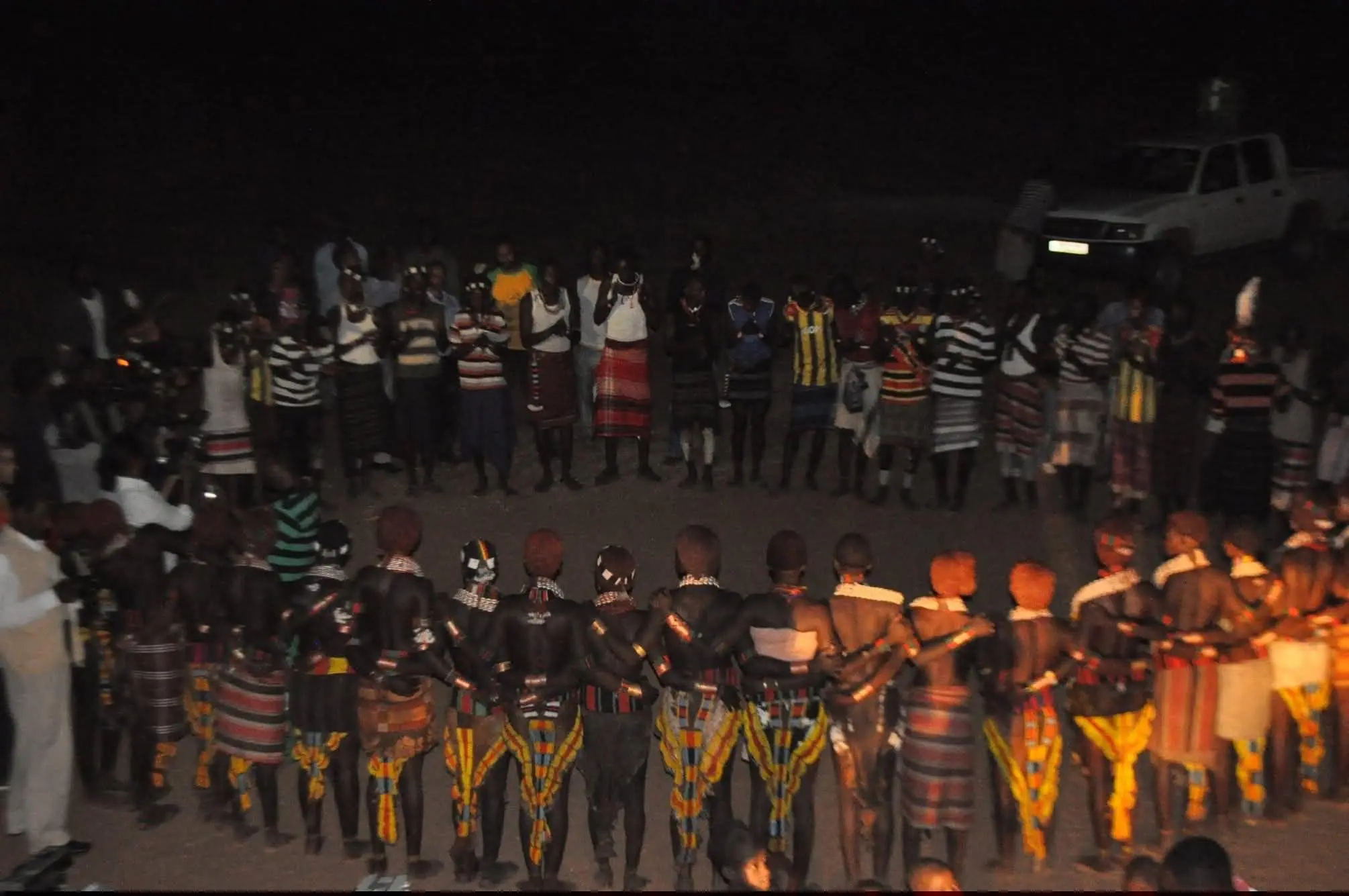
- Hamar: Renowned for the “Bull jumping” ceremony—a rigorous rite of passage into manhood—and the “Evangadi” traditional night dance.
- Karo (Kara): Masters of intricate body painting using white chalk and natural minerals along the riverbanks.
- Dasanech: Pastoralists living around the Omo River delta and Lake Turkana.
- Bodi: Famous for the “Ka’el” ceremony, a unique competition where men compete to gain weight by drinking blood and milk.
- Others: Includes the Nyangatom, Banna, Tsamai, Male, Dime, Kwegu, Batcha, Murle, and Arbore communities.
- Economic Activities
- Pastoralism: The primary lifestyle in the Omo Valley. Wealth and social status are heavily measured by the size of an individual’s cattle herd.
- Agriculture: Recession agriculture is practiced along the Omo Riverbanks, where communities plant crops like sorghum, maize, and beans as floodwaters recede.
- Tourism: A premier cultural tourism destination in Ethiopia, attracting domestic and international visitors and generating substantial revenue.
- Traditional Food and Drink
- Grains: Sorghum porridge is the staple energy source, especially among the Mursi, Hamar, and Dasanech.
- Meat & Fish: “Wetele” (goat meat roasted on wooden skewers) is a delicacy served to honored guests. Communities along the Omo River heavily rely on fish.
- Unique Customs: The Bodi and Mursi practice drinking fresh blood drawn from live cattle mixed with milk.
- Beverages: Milk, Borde (traditional beer), and “Shoforo” (a popular hot drink brewed from coffee husks).
- Traditional Crafts
- Body Ornaments: Elaborately carved and painted clay lip plates used by Mursi women.
- Jewelry: Intricate necklaces, bracelets, and earrings crafted from animal bones, sea shells, beads, and metal.
- Leatherwork: The Hamar and other pastoralist groups craft durable clothing and household items from animal hides.
- Tourism Destinations
6.1 Natural Attractions
- Mago National Park: Known for its rich wildlife and deep cultural ties, spanning 1,891 sq. km. It is located 34 km from Jinka and 45 km from Dimeka.
- Omo National Park: Covering 4,068 sq. km, it features vast grasslands, hot springs, and river basins. Located 40 km from Jinka and 130 km from Dimeka.
- Murle Controlled Hunting Area: A protected buffer zone between Omo and Mago parks that facilitates wildlife migration and offers regulated sport hunting.
- Lekulan Hot Springs: A unique natural attraction within Omo National Park, favored by adventure travelers and wellness seekers.
- Tama Community Wildlife Conservation Area: A dedicated community-based conservation area highlighting local natural resource management.
- Lake Turkana: Located near Omorate, this is the final destination of the Omo River, featuring a unique wetland landscape where natural and cultural beauty meet.
- Buska Mountain Range: A striking natural landmark in the Hamar district ideal for mountain climbing and panoramic views.
6.2 Cultural Festivals
- Bodi Tribe’s “Ka’el” Festival: A New Year celebration featuring the famous weight-gain competition that draws global attention.
- Nyangatom “Ateker” Peace Festival: A grand peace assembly aimed at ending historic conflicts and building lasting ties with neighboring groups from Kenya, Uganda, and South Sudan.
- Banna Tribe’s “Maro” Festival: A joyful harvest and New Year festival celebrating the transition into a new season.
- Male Tribe’s “Doomo” Festival: A traditional New Year celebration marking natural cycles and seasonal transition.
- Tsamai “Barbaisa” Festival: Meaning “cleansing” or “blessing,” this spiritual New Year festival purifies the community from past misfortunes.
- Dasanech “Dimi” Festival: A grand ceremony organized by a daughter’s father to validate socio-economic transitions, bring blessings, and earns high status within the clan.
6.3 Cultural Villages
- Karo Cultural Village (Kolcho): A picturesque village perched high on the cliffs of the Omo River, famous for its artistic residents.
- Hamar Bull Jumping Sites: Celebrated in Dimeka and surrounding villages, offering an authentic glimpse into the core traditions of the Omo Valley.
- Arbore Cultural Village (Hor): Situated in the Weyto basin, this village historically serves as a symbolic “peace bridge” among different ethnic groups.
- Dime Artisan Villages: A recognized center of ancient iron-smelting and indigenous metalwork.
- Mursi “Hale” Settlements: Nestled between Omo and Mago parks, showcasing the unadulterated lifestyle of the Mursi people.
- Male Terraces & the “Kati” Residence: Features traditional stone terraces demonstrating indigenous conservation skills and ancient administrative leadership.
- Dasanech Boat Excursion: A scenic boat ride exploring the fertile delta where the Omo River merges into Lake Turkana.
6.4 Weekly Markets
- Key Afer (Thursday): A bustling junction market frequented by the Banna, Ari, Tsamai, and Hamar tribes.
- Turmi (Monday & Thursday): A vibrant Hamar market where women display elaborate leather outfits and beadwork.
- Jinka (Saturday): A major regional market where the Ari and Mursi trade agricultural produce and crafts.
- Dimeka (Saturday & Tuesday): One of the largest and most colorful cultural markets, bringing together the Hamar, Banna, and Karo tribes.
- Arbore (Saturday): Specializes in unique Arbore bead jewelry and seasonal harvests.
- Hana (Sunday): A traditional market center for the Bodi, Mursi, and Dime communities.
6.5 Historical Sites
- The Lower Omo Valley (UNESCO World Heritage Site): Globally recognized for its pivotal role in understanding human evolution.
- Omo-Kibish & Shungura: Omo-Kibish is the site where early anatomically modern human (Homo sapiens) fossils were discovered, while Shungura hosts 2.5-million-year-old Oldowan stone tools, proving early hominid tool use.
- Fejej & Usno: Fejej serves as a natural museum where ancient fossils were perfectly preserved for millions of years under volcanic ash, while Usno is a rich paleontological site reflecting ancient mammal and hominid life dating back 2.5 to 3.3 million years.
Natural Attraction
Cultural Attraction
The Ka'el Festival of the Bodi People
Garo traditional village
The Hamer Bull Jumping Ceremony
Erbore Traditional Village
The Artistic Villages of Dime
The Mursi "Hale" Settlements
The Male People Terracing Works
Dassanech Boat Trip
The Nyangatom Traditional Festival
The Hamer "Evangadi"
Lower Valley of the Omo