
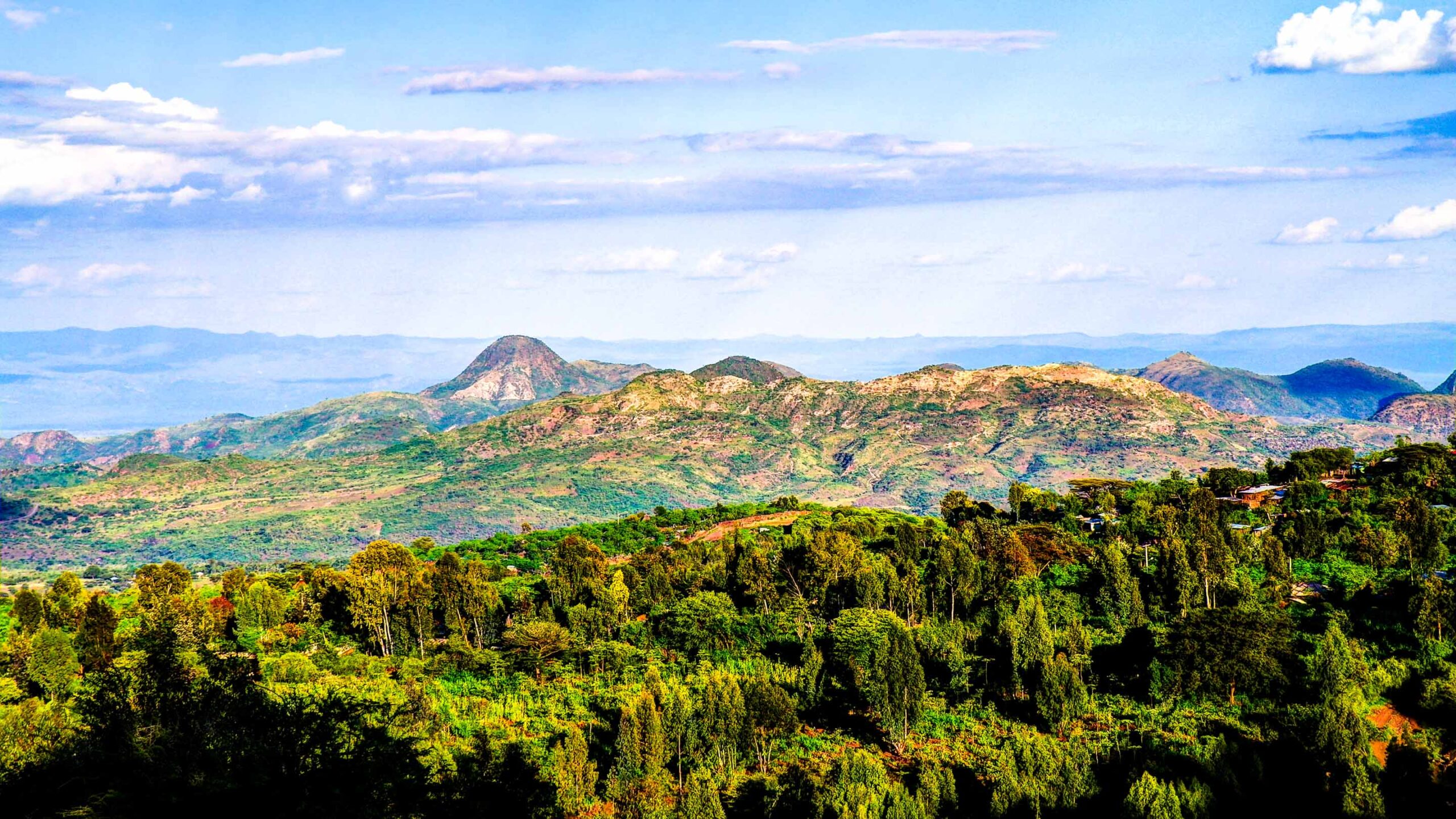
Mago National Park
Mago National Park is one of Ethiopia’s oldest and most famous national parks, renowned for its rich biodiversity and deep cultural connection with local communities.
Location and Size
- Location: Situated in the South Omo Zone, the park is located 45 km from Demeka town and 34 km southwest of Jinka town.
- Size: The Park covers an area of 1,891 square kilometers.
- Landscape: The terrain consists partly of savanna plains and partly of riverine forests. The park takes its name from the Mago River, which flows through it and is a tributary of the Omo River.
Wildlife
Mago Park is particularly famous for its large mammals:
- Large Mammals: Home to populations of African elephants, buffaloes, lions, and leopards.
- Other Wildlife: Zebras, Greater and Lesser Kudus, and various antelope species are common.
- Avifauna: Over 300 bird species have been recorded, making it a favorite destination for birdwatchers.
Cultural Connection
- The Mursi Community: The famous Mursi people reside within this park. The clay lip plates worn by Mursi women are a major highlight for global travelers.
- Ari and Hamar: These neighboring communities also share long-standing socio-cultural ties with the park area.
Visitor Information & Preparations
- Best Time to Visit: The dry season from October to February is ideal. The rainy season (June to August) can make the roads impassable.
- Transportation: A 4WD vehicle is mandatory and can be rented in Jinka.
- Accommodation: Most visitors stay in Jinka and do day trips to the park, though campsites are available inside Mago.
- Clothing: Pack light cotton clothes for the daytime heat, but bring warmer clothing for the nights, as Jinka can get cold.
- Permit: You must register and obtain a permit/guide at the park office in Jinka before entry.
Itinerary (3 Days / 2 Nights)
- Day 1: Addis Ababa to Jinka
- Morning: Fly from Addis Ababa to Jinka. (Traveling by public bus takes 2 days).
- Afternoon: Check into your hotel and visit the South Omo Museum to understand the local cultures.
- Evening: Overnight in Jinka.
- Day 2: Mago National Park & Mursi Village
- Early Morning (05:30 AM): Drive to Mago National Park. Starting early increases chances of spotting wildlife and catching the Mursi people’s morning routines.
- Morning: Enjoy a driving safari through the park, and then visit a traditional Mursi village to see their unique lifestyle and lip plates.
- Afternoon: Drive back to Jinka, stopping along the way to visit an Ari village to observe traditional pottery making, local liquor distillation, and farming.
- Evening: Overnight in Jinka.
- Day 3: Traditional Market Visit & Return
- Morning: Depending on the day (if it is Saturday or Tuesday), visit Jinka’s large traditional market where various ethnic groups gather to trade.
- Late Morning: Browse the market and buy traditional handicrafts or jewelry as souvenirs.
- Afternoon: Fly back to Addis Ababa.