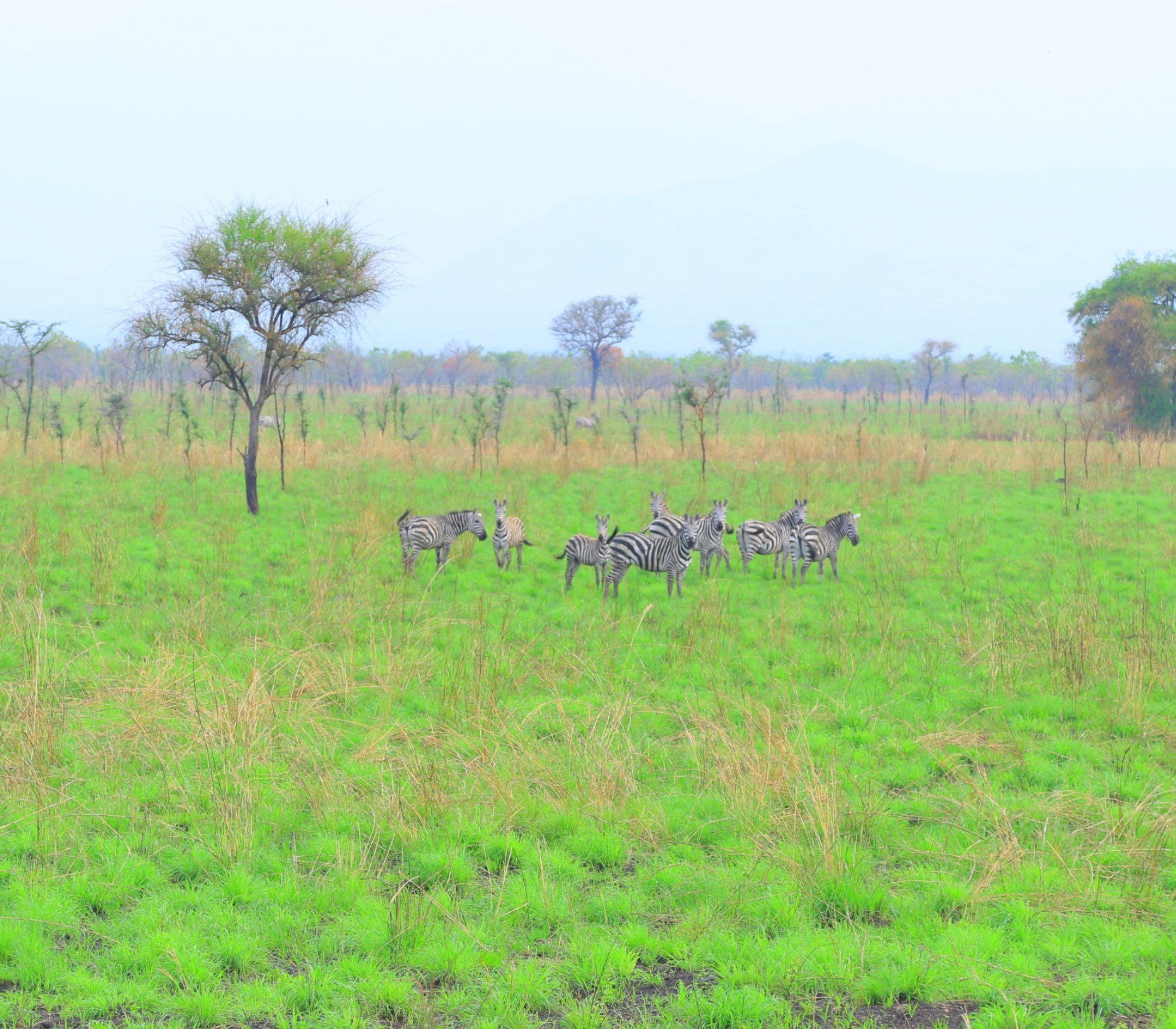
Tama Community Conservation Area
The Tama Community Conservation Area is one of the most vital protection zones within the Omo Valley. Strategically located, it serves as a critical bridge or “corridor” between Omo National Park and Mago National Park.
- Location and Size
- Location: Situated in the South Ethiopia Region, positioned between Omo and Mago National Parks.
- Size: Covers an area of approximately 1,656 square kilometers.
- Role as a Corridor: The primary ecological importance of this area is providing a safe passage for wildlife migrating between the two larger national parks.
- Community-Based Conservation
The designation “Community Conservation” is significant for several reasons:
- Ownership: The conservation effort is directly led by the participation of local communities, particularly the Mursi and Ari ethnic groups.
- Benefits: It is designed so that tourism revenue directly funds community development projects such as schools, health centers, and clean water access.
- Conflict Reduction: By viewing wildlife as a source of income and a shared resource, the community is encouraged to protect animals and reduce human-wildlife conflict.
- Wildlife Diversity
The following animals are commonly sighted in the Tama area:
- Large Mammals: Elephants, buffalo, lions, and leopards.
- Antelopes: Lesser Kudu and various Hartebeest species.
- Birdlife: Similar to Omo Park, Tama’s lowlands are an ideal habitat for both herbivores and birds of prey.
- Major Challenges
Despite its potential, the area faces several threats:
- Illegal Hunting: Poaching for food or trade continues to deplete wildlife numbers.
- Settlement Expansion: Increasing population and the search for farmland are narrowing the vital wildlife corridors.
- Livestock Competition: Since the local community consists of pastoralists, competition between domestic cattle and wildlife for grazing land can lead to the transmission of diseases.
- Visitor Essentials & Preparations
- Transportation: A sturdy 4×4 vehicle is mandatory as the roads are dusty and rugged.
- Accommodation: The area is extremely remote; bringing your own tent and camping gear is essential.
- Supplies: Carry sufficient dry rations and bottled water from Jinka.
- Guides: It is mandatory to have a guide who knows the local language and culture, as well as armed scouts for safety.
- Useful Tips
- Malaria Prevention: As a hot, low-lying area, do not forget mosquito repellents and anti-malarial medication.
- Photography: In Mursi and Bodi villages, you will likely be asked to pay for photos; discuss this with your guide beforehand.
- Best Season: The dry season from October to May is preferred, as June to September can be quite rainy.
Itinerary
Day 1: Addis Ababa to Jinka
- Morning: Fly from Addis Ababa to Jinka.
- Afternoon: Visit the South Omo Museum to understand the cultures of the Mursi and Bodi people.
- Overnight: Jinka.
Day 2: Jinka to Tama (via Mursi Villages)
- Morning: Drive toward Tama, visiting Mursi ethnic villages along the way.
- Afternoon: Arrive at the Tama entry point, meet community guides, and set up camp.
- Overnight: Camping in the Tama Conservation Area.
Day 3: Wildlife and Community Experience
- Morning: Game drive to spot elephants and buffalo at watering holes.
- Mid-day: Spend time with the Bodi people to learn about their pastoralist lifestyle and relationship with nature.
- Afternoon: Nature walks along the banks of the Tama River.
- Overnight: Camping.
Day 4: Final Viewing and Return
- Morning: Final wildlife viewing and photography.
- Afternoon: Drive back to Jinka and fly back to Addis Ababa.

