
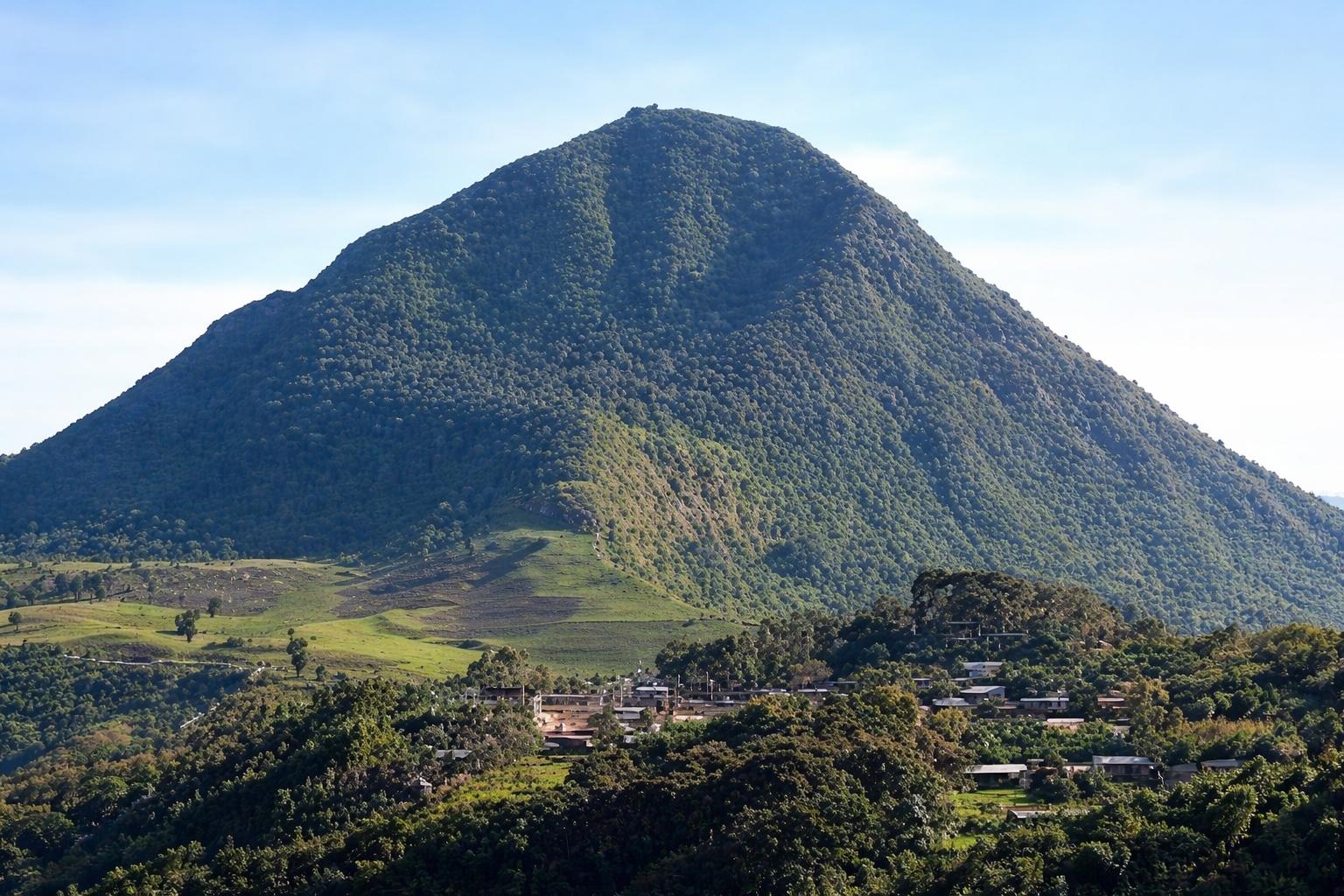
General Overview of the Ari Zone
- Location and Administration
- Location: The Ari Zone is located within the South Ethiopia Regional State. Formerly a part of the South Omo Zone, it was officially established as a distinct zone during the region’s restructuring and is now organized into four districts (Woredas) and three city administrations.
- Capital: Jinka Town serves as the administrative center of the zone and the social cluster seat for the region. Beyond being a major commercial and transport hub for the area, it acts as the primary gateway and hub for tourism in the Lower Omo Valley.
- Climate: The majority of the Ari Zone experiences a “Woyina Dega” (sub-tropical) and “Dega” (temperate) climate. The area receives rainfall year-round, making it exceptionally green and fertile.
- Geography and Nature
- Topographic Layout: The landscape of the zone is remarkably stunning and diverse, ranging from fertile valleys and plains to mountainous terrains and highlands reaching elevations of over 3,000 meters.
- Forests and Water Bodies: The area is covered by dense forests, particularly around landmarks like Mount Ager and Mount Gorgocha. It is also home to numerous flowing rivers and spectacular waterfalls, such as Ergeno and Kamist.
- Economic Activities and Agriculture
The livelihood of the Ari people is primarily based on agriculture. The land in Ari is highly fertile, making it ideal for cultivating various crops, fruits, and vegetables.
- Cash Crops: Coffee is the primary source of income for the zone. Cardamom (Korerima), ginger, and a variety of fruits are also widely produced.
- Food Security: Enset (false banana) is the staple food source. Other frontline crops produced include Boyna (taro), yam, maize, teff, and wheat.
- Honey Production: The Ari Zone is widely renowned for producing exceptionally high-quality honey.
- Community Culture and Lifestyle
- Language: Their mother tongue is “Arigna” (Ari), which is classified under the South Omotic language family. Amharic is also widely used for commerce and governmental communications.
- Attire: Women wear a traditional skirt made from enset leaves called “Koisha,” complemented by colorful beads and metal bracelets.
- Arts and Crafts (House Painting): Known as “Bartsi,” this remarkable traditional art involves women decorating the walls of their homes with paintings made from natural pigments.
Handicrafts and Products
The Ari people are highly skilled artisans:
- Pottery: They produce clay pots and cooking utensils for domestic use.
- Blacksmithing (Metalwork): They forge traditional agricultural implements and various household tools.
- Traditional Beverage: Women brew high-quality, widely celebrated traditional liquor known as “Ari Areke” from local grains.
- Tourism Destinations of the Ari Zone
5.1. Natural Tourism Destinations
- Mago National Park: Located south of Jinka town, it is home to elephants, buffaloes, giraffes, numerous bird species, and various mammals. The unique culture and lifestyle of the Mursi people, closely intertwined with this natural habitat, makes the park a standout destination.
- Mount Ager: Situated in the South Ari District (Shengamma Woset Kebele), this mountain is considered an emblem of the community and holds profound cultural significance.
- Mount Gorgocha: Located in the Bako Dawla Ari District, this breathtaking natural attraction stands at an elevation of over 2,500 meters above sea level. From its peak, one can get a panoramic, cinematic view of Jinka town and its airport operations.
- Mount Obox and the Natural Standing Stones: A wonderful natural attraction located in the Bako Dawla District (Senegal Kebele). The striking rock formations, the Gendelden forest, and the natural megaliths atop the mountain give the site a unique allure.
- Ergeno Waterfall: Located in the North Ari District (Chilsha Kebele), this is a highly captivating natural attraction. The water plunges from the Harbro cliff/ledge down a distance of approximately 100 meters, creating a magnificent natural spectacle.
- Kamist Waterfall: Located in Gelila Town (03 Kebele) within the North Ari District, this waterfall stands over 40 meters high. As the water cascades down, it forms smaller secondary waterfalls, adding a distinct charm to the site.
5.2. Cultural and Historical Tourism Destinations
- Ligomi Cave: Located in the North Ari District (Otla Walers Kebele), this is an exceptional historical and natural site. Inside the cave lies a clan leader’s seat carved out of stone and a spacious flat floor, indicating its ancient use as a spiritual and decision-making arena for traditional leaders.
- Dishta-Gina Festival: This is the New Year festival of the Ari people, celebrated annually from mid-November to early December. Rich in cultural values, this vibrant celebration holds immense potential for attracting tourists.
- Zapharo Standing Stone: Located in the North Ari District (Zofna Dawa Kebele), this is an ancient stone monolith standing 4 meters tall. Believed to have been erected by ancient societies as a monument of honor, it remains a striking historical landmark that stands out against the local landscape.
- South Omo Museum and Research Center: Perched on a hilltop in Jinka Town, this key institution provides visitors with detailed insights into the ancient lifestyles, traditional attire, household artifacts, and weaponry of more than 16 distinct ethnic groups of the Omo Valley, including the Mursi, Hammer, Benna, and Karo.
- Additional Visitor Information
To ensure a successful and rewarding journey to the Ari Zone and South Omo, it is important to keep the following practical points in mind:
Best Time to Visit and Weather
- Best Season: The dry months (from October to January and from June to mid-August) are ideal for visiting, as road conditions are at their best.
- Rainy Season: Heavy rains from April to May can make accessing rural villages quite challenging.
- Weather: Although Jinka Town is warm, the highland areas of Ari can be quite chilly, so carrying blankets is recommended.
Prohibitions and Cultural Etiquette
- Photography: Always ask for permission before taking photos of local community members. Note that in certain villages (such as the Mursi and Hammer), it is customary to pay a small fee for photography.
- Attire: While modern clothing is perfectly acceptable in towns, it is proper to wear clothing that covers the shoulders and knees when visiting rural villages and religious sites.
- Weapons: Carrying firearms by ordinary citizens is culturally prohibited within Ari villages.
- Gifts: Handing out cash or candies directly to children is discouraged, as this practice encourages begging.
Essential Travel Preparations
- Health Precautions: Since the area is prone to malaria, travelers are advised to take prophylaxis and carry effective mosquito repellents.
- Cash: While there are banks in Jinka Town, ensure you carry sufficient cash before heading out to the villages, as ATM services are unavailable in rural areas.
- Tour Guide: Hiring a licensed, knowledgeable local tour guide who understands the community’s culture and language is vital for a smooth and safe trip.
Useful Note: Planning your travels around the weekly market days (Monday, Thursday, and Saturday) offers an excellent opportunity to interact closely with the community. Furthermore, traveling during November and December allows you to witness and partake in the colorful Dishta-Gina Festival, creating an unforgettable memory.