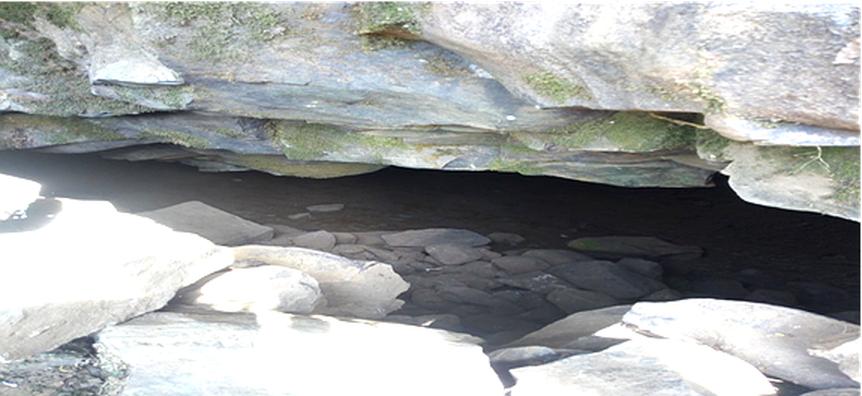
Llgom Cave
Llgom Cave is one of the most amazing and mysterious natural and historical destinations in the Ari Zone. This cave is not only a natural wonder, but it has also been closely linked to human life and local history since ancient times.
Here is a detailed explanation of Llgom Cave:
- Location and Natural Structure
- Location: The cave is located in the lush and mountainous areas of the Ari Zone. The road leading to the cave is lined with green plants and steep slopes.
- Structure: Llgom Cave has a large room and a long distance. There are various natural formations (Stalactites and Stalagmites) in the cave. These are rock formations formed by water droplets from the ceiling and floor of the cave over the centuries, giving the place a wonderful beauty.
- Indoor air: The air inside is cold and humid, and you can hear water droplets dripping from the ceiling.
- Historical and Cultural Value
- History of Shelter: The cave served as a primary shelter for the ancestors of the area in ancient times. It is said that the community would hide in this cave to protect themselves and their property, especially during times of war and invasion.
- Spiritual Place: The cave is seen as a sacred or revered place by the local community. It was also a place where various traditional rituals and prayers were performed in the past.
- Traces of Ancient People: It is believed that there are signs of ancient human activity and traces of life on the walls of the cave.
- Opportunities for Visitors
- Adventure: Entering the cave and exploring the dark and mysterious path inside provides special satisfaction for adventure lovers.
- Historical Research: For history and archaeology researchers, this cave is a great source of information containing many unexplored secrets.
- Nature Admiration: The rock formations and natural architecture in the cave create a very impressive sight for humans.
- Tips for Visitors
- Bring a light: It is very dark inside the cave, so it is a must to carry a strong flashlight.
- Breathing precautions: If you plan to stay in the cave for a long time, you should be careful and be accompanied by a local guide as oxygen levels may decrease.
- Clothing and footwear: Since the path inside the cave is rocky and sometimes slippery, it is recommended to wear sturdy shoes and clothing that covers the body.
- Best time to visit
- The cave can be visited at any time of the year, as it also serves as a shelter from the rain; however, it is preferable to go during the dry season from October to May, so that the path leading to the cave is not muddy.
1-Day Sample Itinerary
Since this cave is located in a rural area outside Jinka town, it is recommended to start the trip early in the morning.
- 02:30 (AM): Drive from Jinka town to the cave by 4×4 vehicle or motorbike.
- 03:30 (AM): Start hiking from the parking lot in the green Ari land. Along the way, you can observe the traditional Ari fences and houses.
- 04:30 (AM): Arrive at the cave entrance. Prepare flashlights and receive guidance from a local guide before entering.
- 04:30 – 06:30 (AM): Explore the interior of the cave. Observe the rock formations and ancient human footprints inside.
- 07:00 (AM): Exit the cave and take a short break under a shady tree and eat a packed lunch.
- 08:30 (AM): Participate in the Ari “coffee drinking” ceremony at a village on the way back to Jinka town.
- 10:30 (PM): Arrive in Jinka town.

