
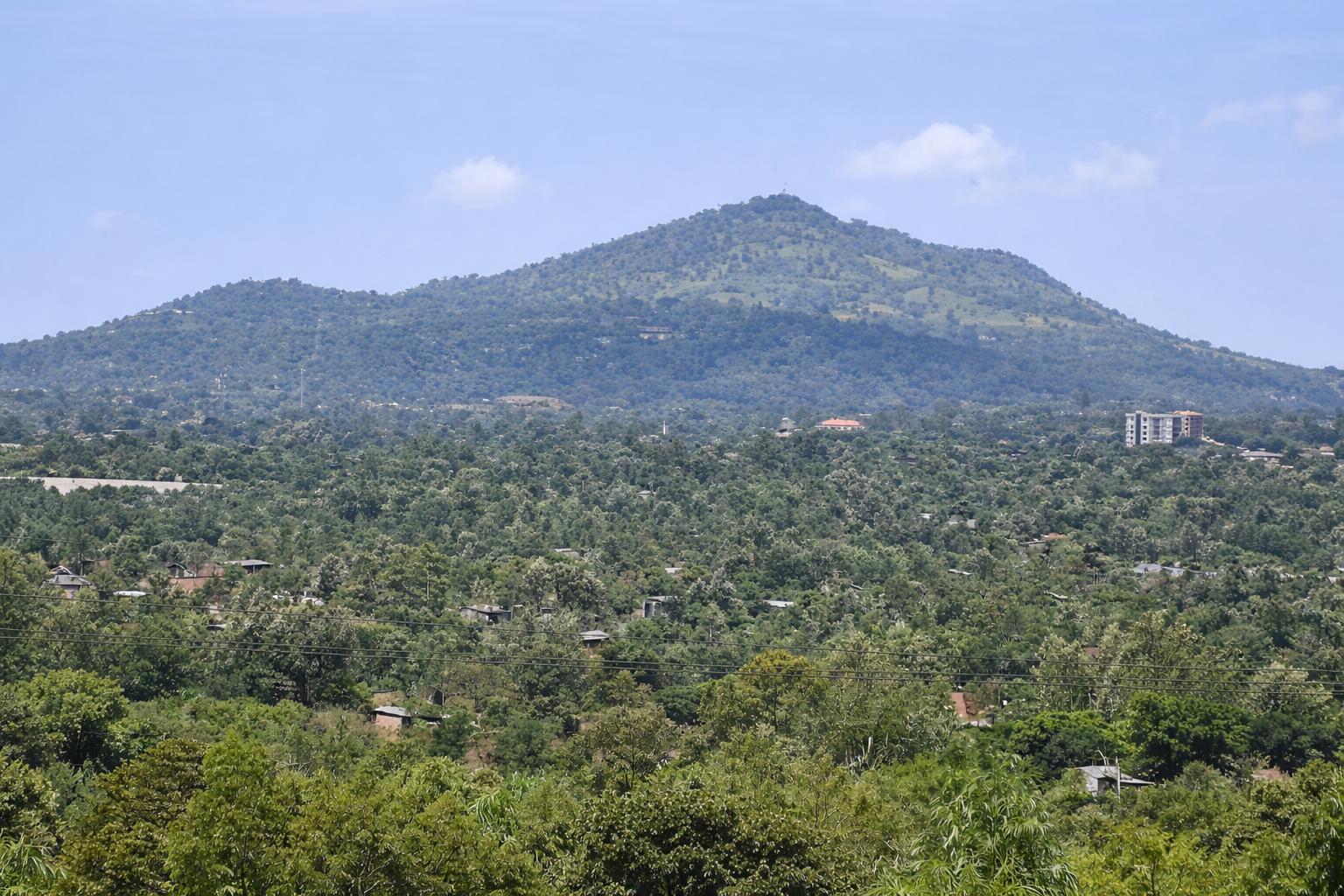
Mount Gorgocha
Mount Gorgocha is another beautiful highland peak in the Ari Zone, regarded as a cultural symbol and a vital ecological anchor for the local ecosystem.
Location and Landscape
- Location: Situated within easy reach of Jinka and its surrounding districts.
- Topography: The Mountain features a unique landscape characterized by wide, flat plateaus interspersed with deep, dramatic valleys.
- Climate: Due to the high altitude, the climate is cool and humid, often blanketed in a beautiful morning mist.
Ecological Wealth
- Indigenous Forest: The Gorgocha forest is highly protected and plays an essential role in regulating the local rainfall cycle.
- Wildlife: It is home to colobus monkeys, wild boars, hyenas, small wild cats, and a rich array of vocal forest birds.
- Water Catchment: The Mountain acts as a natural water tower, feeding several freshwater springs that supply drinking water to local communities and livestock.
Cultural and Agricultural Practices
- Traditional Conservation: The Ari people treat parts of the Gorgocha forest as sacred. They apply traditional community laws to protect the trees, which they use for wild honey harvesting and seasonal cattle grazing.
- Highland Agriculture: The fertile volcanic soil on the mountain slopes is ideal for cultivating high-value crops like coffee, korarima, and ginger.
Tourist Activities
- Scenic Hiking: Although the climb is challenging, the crisp, clean air and stunning green vistas make the effort entirely worthwhile.
- Photography: The summit offers exceptional vantage points for capturing the sweeping agricultural patterns of the Ari landscape and traditional settlements below.
- Traditional Beekeeping: Visitors can observe how local farmers hang traditional log hives high in the forest trees and learn about their honey-harvesting techniques.
Travel Preparation Tips
- Footwear: Sturdy trail shoes or hiking boots with excellent grip are essential.
- Provisions: There are no shops on the mountain, so carry plenty of water and snacks.
- Best Time to Visit: Avoid the heavy rains of March to May when paths turn to thick clay. October to February is the peak dry window, though September to October is also beautiful as the landscape is exceptionally green and waterfalls are active.
- Local Guide: Hiring a local guide who knows the paths and community boundaries is highly recommended.
1-Day Itinerary: Mount Gorgocha Exploration
- 6:00 AM – 7:30 AM: Depart Jinka early to catch the cool morning air and watch a spectacular sunrise over the highlands.
- 8:00 AM – 11:00 AM: Begin the hike from the mountain’s base. Pass through coffee and spice orchards, spot colobus monkeys, and reach the scenic summit to take in the quiet, expansive views.
- 11:00 AM – 1:00 PM: Descend the mountain, taking photos of the landscape and the unique hanging beehives along the trail.
- 2:00 PM – 4:30 PM: Tour an Ari village at the base of the mountain. Watch artisans shape clay pots and see how local traditional drinks are distilled.
- After 5:00 PM: Return to Jinka to rest at your lodge.