
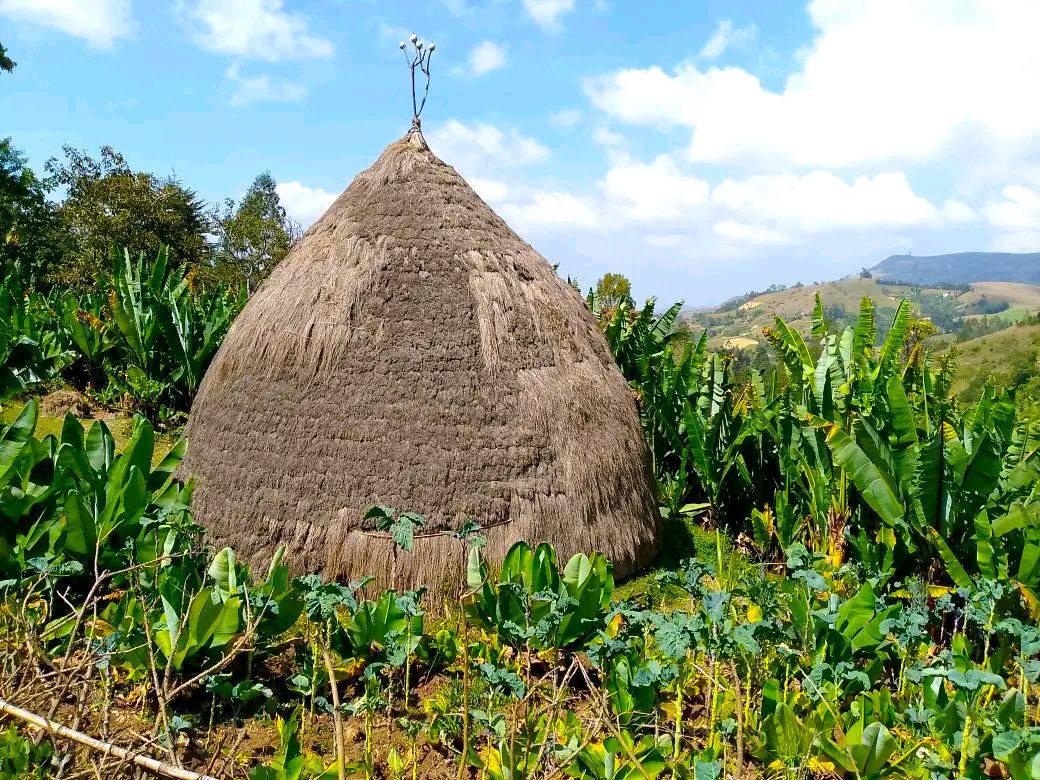
Profile of Kore Zone:
The Kore Zone, located in the South Ethiopia Regional State and formerly known as the “Amaro Special Woreda,” is a destination widely recognized for its captivating natural beauty, industrious agricultural community, and high-quality production of white teff and Koore coffee.
- Geography and Landscape
- Capital City: The administrative seat of the zone is the town of Kele.
- Landscape: The zone is surrounded by lush valleys and the majestic Amaro Mountains, featuring a climate that ranges from Woyna Dega (mid-altitude) to Kolla (lowland) and Dega (highland).
- Boundaries: The Koore Zone is bordered by the Gamo Zone to the north, the Burji Zone to the south, West Guji (Oromia Region) to the east, and the Konso and Gardula zones to the west.
- Administrative Structure
The Koore Zone is organized into two rural districts and one city administration:
- Rural Woredas: Gorka and Sarmale.
- City Administration: Kele town.
- Demographics and Identity
- The Koore People (Language and Identity): The inhabitants of the zone are members of the Koore ethnic group who reside in the Amaro Mountains and hilly regions. The community speaks “Korete,” a language belonging to the Omotic language family.
- Social Cohesion: Due to its favorable geographical location, the Koore people live in high tolerance and strong harmony with neighboring Oromo, Gamo, Burji, and Konso communities.
- Agriculture and Economy
Kore is a major agricultural hub in the South Ethiopia Regional State, integrating high-value crops with sustainable farming methods suited to the local climate.
- Koore White Teff: Highly sought after in the national market for its quality and purity.
- Koore Coffee: Renowned in the international market for its unique, rich flavor, serving as a vital source of foreign currency.
- Spices and Fruits: The zone widely produces chat, indigenous spices (chili/pepper), bananas, avocados, and papayas.
- Enset: The drought-resistant enset (false banana) plant is the cornerstone of the zone’s food security, providing reliable daily income and sustenance through products like kocho and bulla.
- Sustainable Agroforestry: Enset plants provide essential shade for coffee trees, while their leaves serve as organic fertilizer and livestock feed, and the fiber is used to make ropes and various household items, contributing to a healthy ecosystem.
- Emerging Economic Sectors: Alongside traditional agriculture, the economy is expanding into trade, service sectors, and government-supported mining (quarrying) activities.
- Traditional Cuisine
The culinary culture of the Koore community is primarily based on the versatile enset plant. Key traditional dishes include:
- Kocho: A fiber-rich traditional food prepared by scraping the trunk of the enset plant. It is baked on a griddle and has a unique taste and aroma, often enjoyed with various traditional dishes.
- Bulla: A high-quality, nutritious white powder extracted from the liquid during kocho preparation. It is widely used for special occasions and to prepare porridge and soup for postpartum mothers and those recovering from illness.
- Tourism Attractions
The Kore Zone is endowed with significant eco-tourism potential, featuring untouched natural beauty and a captivating ecosystem. The following are professional, concise descriptions of the primary tourist destinations in the Kore Zone:
- Delo Mountain: Standing at an elevation of 3,600 meters above sea level, this is the zone’s highest point, offering an ideal destination for mountain trekking, cultural observation, and pack animal expeditions.
- Gayo Waterfall: Nestled within the embrace of the Amaro Mountains, this is a stunning water attraction that showcases breathtaking landscapes and natural wonder.
- Sidaro/Dogodo Waterfall: Featuring a year-round water flow and exceptional accessibility, this site is highly recommended for educational excursions, family outings, and photography.
- Dora Natural Forest Reserve: A sanctuary of ancient, towering trees, rare biodiversity, and numerous water springs, holding high potential for scientific research and eco-tourism development.
- Wanfule Rock: A remarkable geological attraction where two massive boulders are balanced in a miraculous formation without any visible support, surrounded by natural beauty and bird songs.
- Moltse Natural Rock: A massive, flat natural rock formation covering 78 square meters that was historically used for traditional activities; it is highly accessible and offers unique cultural interest for visitors.
- Ugo-Ugulo Cave: An ancient, man-made cave featuring a spacious interior and various chambers; it served as a defensive fortress during the Ahmed Gragn era and remains a compelling destination for history enthusiasts and youth explorers.
- Travel Information and Tips
- Route: Addis Ababa – Hawassa – Dilla – Kele (Kore Zone).
- Distance: Located 450 kilometers from the capital, Addis Ababa.
- Travel Time: Takes 8 to 10 hours by car. To make the journey more engaging, travelers can stay overnight in Hawassa or Arba Minch to enjoy the Rift Valley lakes and local culture before heading to the Koore highlands.
- Best Time to Visit: Because the zone is mountainous, roads in the highland areas can be difficult during heavy rainy seasons. Therefore, the best time to visit is during the dry months from October to May.