

Description
1. Meaning and Purpose
- Thanksgiving: The Kasha system is primarily a festival of gratitude to the Creator (Tossa). As the community transitions from the old year to the new, they offer thanks for peace, health, and the year’s harvest.
- Seeking Blessings: It is a ritual of supplication, where prayers are offered for timely rain, the protection of crops, and the prevention of epidemics in the coming year.
2. Timing of the Celebration
The ritual is typically celebrated annually at the end of the month of Tahsas (late December). This period marks the conclusion of the harvest season and the beginning of the new year, making it the ideal time for thanksgiving.
3. The Ritual Process and Activities
- The “Tossa” Forest: Rituals are conducted within protected and sacred groves known as Tossa (Creator’s) Forests. These forests have remained untouched for centuries and serve as natural temples for the community.
- Role of the Elders: The festival is led by spiritual and cultural fathers (Kashas). These elders enter the forest to offer sacrifices and lead prayers to the Creator.
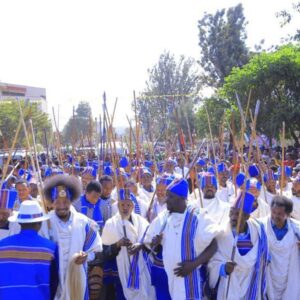
- Traditional Attire and Dance: Youth, adults, and elders participate by wearing traditional Basketo clothing. Men, in particular, lead processions toward the highlands and forests, accompanied by traditional musical instruments, chanting, and whistling.
- Expression of Unity: During the festival, conflicts are suspended, and those who were at odds are reconciled. It is a season where the entire community stands together in love and unity.
4. Connection to Environmental Conservation
A defining feature of the Kasha system is its profound respect for nature. Because the ritual is centered in the forest, the community treats the woodland as a sacred space. The belief that “disturbing the forest is equivalent to disturbing the Creator” has served as a powerful method of Traditional Conservation, ensuring the survival of the Basketo Zone’s forests for generations.
5. Social Significance
This system acts as a vital bridge for passing down the ethics, history, and culture of the Basketo people to the next generation. By spending time in the forest with the elders, the youth receive an education in cultural heritage and environmental stewardship.
Travel Itinerary (Kasha Festival Season – Late December)
Day 1: Arrival and Hospitality
- Morning: Depart from Addis Ababa and travel toward Laska via Sawla (Gofa).
- Afternoon: Arrive in Laska. As the city is usually vibrant and crowded with festival guests, it is highly recommended to book your accommodation in advance.
- Evening: Gather information about the following day’s preparations while sampling local traditional food and beverages.
Day 2: Kasha Festival Celebration (Main Event)
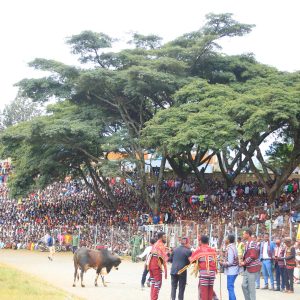
- Morning (08:00 AM): Travel to the ritual site (Tossa Forest). It is a magnificent sight to see thousands of Basketo people arriving in full traditional regalia.
- Late Morning: Observe the Kasha leaders as they initiate the ritual. Follow the traditional dances, the sound of drums, and the songs of thanksgiving. (This is a spectacular time for photography).
- Afternoon: Immerse yourself in the community to share traditional meals like Kurkufa and Morke, and experience the renowned hospitality of the Basketo people.
- Evening: Return to Laska to enjoy the festive evening atmosphere.
Day 3: Museum and Departure
- Morning: Visit the Basketo Zone Temporary Museum in Laska. Here, you will find historical accounts and artifacts regarding the origins of the Kasha system and its hereditary leaders.
- Late Morning: Purchase traditional handicrafts as souvenirs and conclude your journey.
Important Tips for Visitors
- Cultural Respect: The ritual is extremely sacred. It is essential to respect local laws and show proper honor to the cultural leaders (the Kashas) during the ceremony.
- Travel Preparation: Since the festival occurs in late December, ensure you arrange transportation and lodging several months in advance.
- Photography: Some spiritual or traditional rites may be off-limits for photography. Always ask for permission from your guide or local elders before taking photos or videos.
Reviews
There are no reviews yet.