
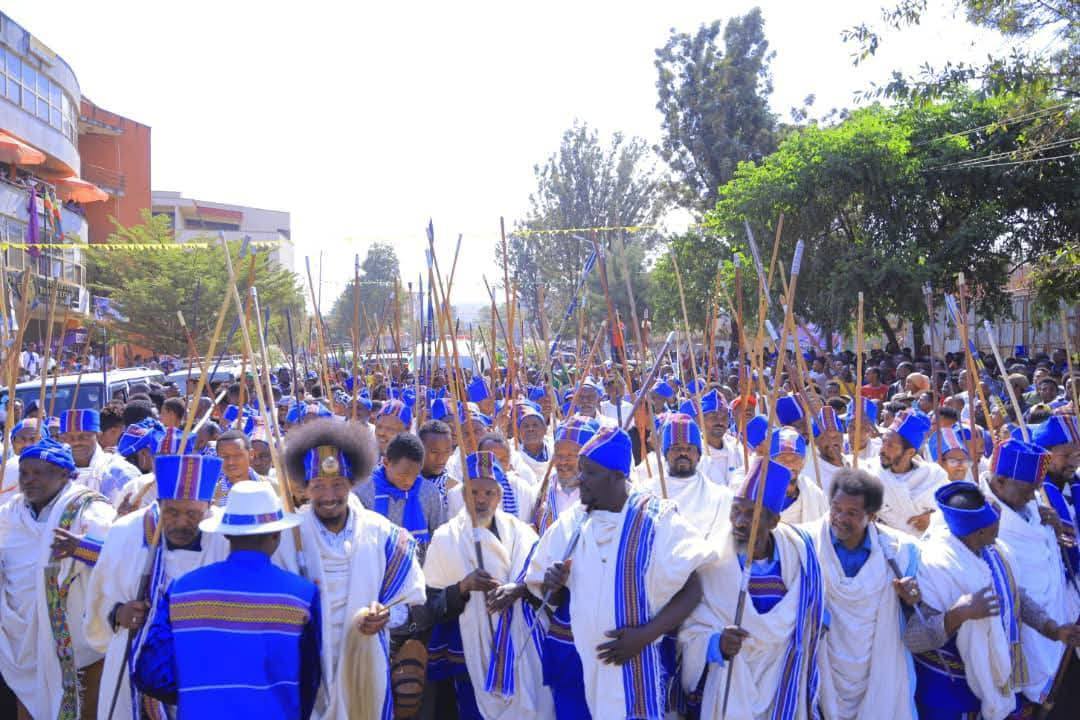
Description
- Detailed Explanation of Deraro Festival
- Meaning and Purpose
- New Year: Deraro marks the end of the old year and the beginning of the new year.
- Thanks giving: It is mainly a time to thank the ancestors, gods (spirit owners) and nature for the fertile land and protection they have been given.
- Spiritual Purification: It is a time when sins and evil spirits are removed, and the community finds spiritual rest and purity.
- Administrative Significance: The celebration of the festival is associated with the implementation of the Baalle system. Leaders and elders ask for blessings and protection for the New Year.
- Time and place
- Time of the festival: Deraro is celebrated according to the Gedeo traditional calendar, usually in the months after the heavy rains, in September or October. The exact date is determined by traditional leaders and elders.
- Location: The festival is held in sacred places (ker’o), sacrificial sites or large social gathering squares.
- Main rituals
- Role of the Aba Bale: The leaders of the Bale system (Aba Bale) are the main performers of the ritual.
- Sacrifice: Cattle or sheep are slaughtered according to the customs and traditions of each tribe. This sacrifice is offered to the ancestral spirits and the forces of nature, and is intended to invoke peace, fruitfulness and blessings for the year.
- Prayer and Blessings: Elders pray for blessings for the country, people and livestock in the new year, and to remove curses and evil.
- Traditional Dance and Singing: In the evening, there is a communal foot-tapping dance and traditional songs praising the festival.
- Traditional Food: Kocho and Bula are the main Deraro dishes and are served together.
- Deraro Festival Tour Plan
The plan to visit the Deraro Festival should be done on the exact day of the festival. This plan is presented in conjunction with the major Gedeo heritage sites.
Day 1
Arrival and Preparation: Travel from Addis Ababa to Dilla or Yirgachefe town. After checking into the hotel, visit Basura or Sed Merkato Tkel Stone near the area where the festival will be held (to start the spirit of the journey).
Day 2
Main Deraro Festival:-Dawn: Travel to the place where elders make offerings or start prayers. During the day: Participate in the festival ceremony, traditional costumes and hospitality of the people (strictly observing local customs).
Day 3
Heritage and Coffee Experience:-Visit the ancient Chelba Tutiti or Tuto Fela stone carvings. Head to the Yirgachefe coffee plantations to watch and taste the world’s best coffee roasting ceremony.
Day 4
Return:-Visit the amazing natural and cultural landscape of Gedeo and return to the city of origin.
III. Important Tips for Visiting
- Date Confirmation: Since the date of the Deraro Festival is determined by the Gedeo traditional calendar, it is important to check the exact date by contacting the Culture and Tourism Office in Dilla before starting your trip.
- Respect and Order: Since the festival ceremonies have religious and cultural significance, it is necessary to maintain silence and respect at prayer and sacrifice sites, and to ask permission from elders even to take photographs.
- Guide: It is essential to hire a guide with local knowledge to fully understand the meaning of the ceremony and to know where to go.
- Transportation: It is recommended to prepare a 4×4 vehicle for the rural roads.

Reviews
There are no reviews yet.