
Description
1. The Dirashe People and Social Structure
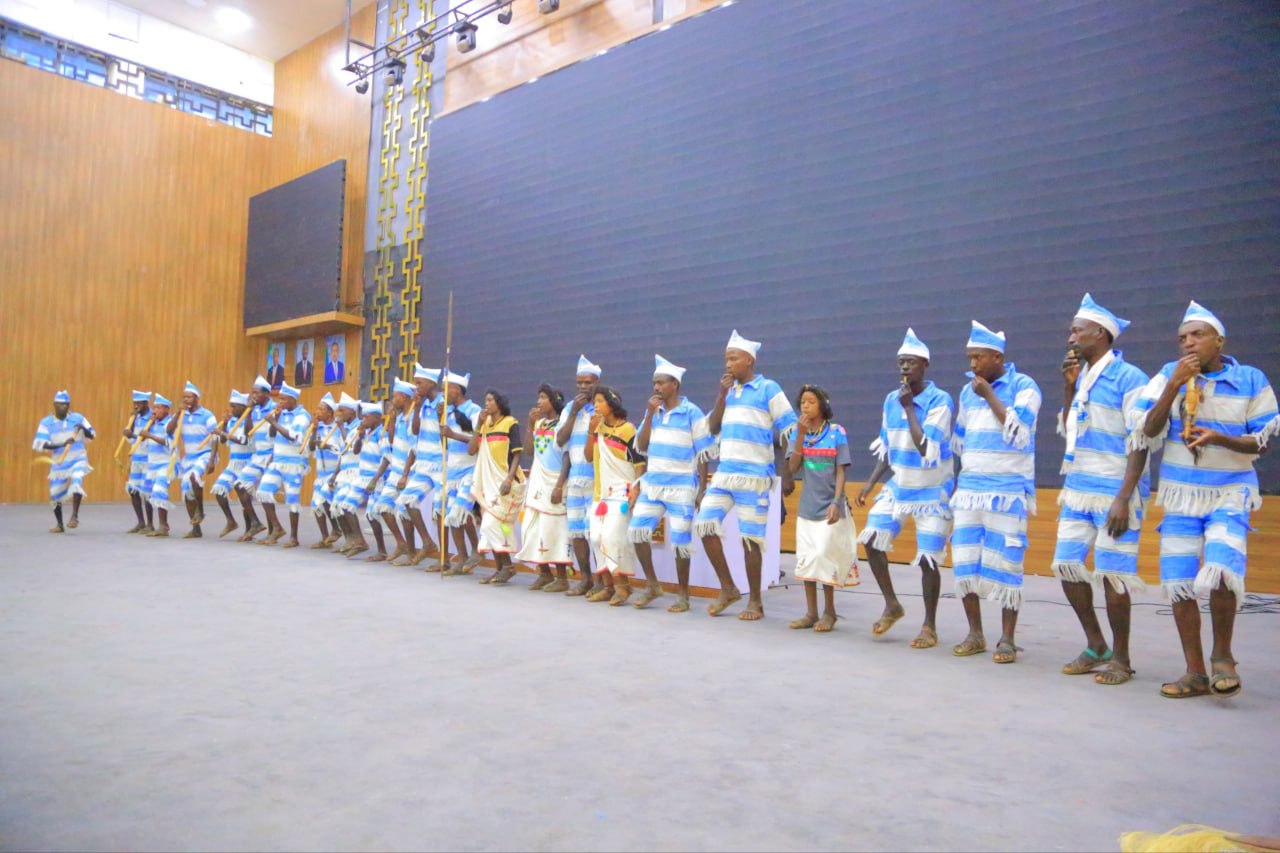
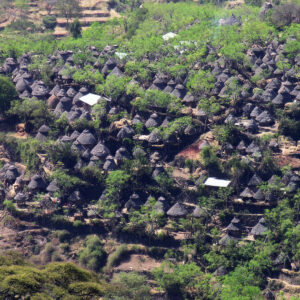
Residing primarily in the Gardula Zone (Gidole), the life of the Dirashe people is deeply intertwined with their mountainous landscape.
- Work Culture: The Dirashe live by the principle that “Work is Honor.” They are regarded as indigenous agricultural engineers, famous for constructing stone terraces (Tarka) and communal labor systems (Potaya).
- The Polot System: This is the core of Dirashe social organization and labor division. It is a democratic structure where youth, adults, and elders are organized into tiers to perform communal tasks (Debo). The Filla music is strictly linked to this Polot system.
2. Filla – The Science of Music
Filla is not merely a musical instrument; it is a masterpiece of art that requires advanced acoustic arrangement and mathematical precision.
A. Instrument Construction
Filla flutes are crafted from plants like bamboo or reed. These flutes vary in length and thickness, and crucially, each flute can only produce a single specific pitch.
B. The Scientific Arrangement (Hocketing Technique)
What makes Filla music extraordinary is its performance style:
- Coordinated Sound: A Filla ensemble typically consists of more than 12 people. Each individual holds a flute that produces only one note.
- Hocketing Technique: To create a melody, the first person plays their note, followed immediately by the next person’s note. This sequence happens with such speed and precision that the listener perceives a single, continuous, and complex melody. In modern musicology, this is known as “Hocketing,” a sophisticated technique the Dirashe have mastered for centuries.
- Musical Tones: Filla music utilizes up to 12 different tones, showing a remarkable similarity to the modern musical Octave
3. The Link between Filla and Labor
Filla music is inseparable from the daily life of the Dirashe:
- Motivation for Work: While youth (Polot members) engage in heavy stone terracing work, half of the group plays Filla music to accompany the laborers. This helps alleviate fatigue and boosts morale.
- Celebration of Heroism: During the Ulupayta (heroism ceremony), a hero enters the public square accompanied by a special Filla melody.
- Seasonality: Filla is most widely played during harvest festivals and public holidays.
4. Why is it Called “Music Science”?
Ethnomusicologists refer to Filla music as a “science” for the following reasons:
- Complexity: The ability of 12 or more people to coordinate different sounds within fractions of a second to create a unified melody requires immense mental alertness and practice.
- Acoustic Tuning: The precision with which they carve and tune the flutes to maintain specific frequencies without modern tools is staggering.
- Collective Identity: The music is a result of group synergy rather than individual skill; if one person misses their cue, the entire melody collapses.
Travel Tips for Visitors
- Best Time to Visit: To see the culture at its most vibrant, visit during festivals like Meskel or during the harvest seasons.
- Local Guide: Hiring a guide who speaks the Dirashe language is essential for gaining deep insights into the scientific analysis of the music.
- Local Cuisine: Do not forget to taste “Cheka,” the famous traditional food and drink of the area.
Itinerary (Starting from Arba Minch)
Day 1: Arrival in Arba Minch and Preparation
- Arrive in Arba Minch and check into your accommodation.
- Arrange transportation for the trip to Gidole.
- Spend the evening enjoying the atmosphere of Arba Minch.
Day 2: Trip to Gidole (Dirashe) and Filla Music Experience
- Depart early for Gidole (the route offers stunning mountainous views).
- Travel to rural Dirashe villages to witness a live Filla music performance.
- Learn how the Filla flutes are crafted from bamboo and how each player masters their specific note.
- Stay the night in Gidole town.
Day 3: Terracing and Cultural Market Visit
- Visit the stone terraces (Tarka) that showcase the industriousness of the Dirashe community.
- Explore the traditional market in Gidole town (a great opportunity to buy traditional clothes and handicrafts).
- Return to Arba Minch to conclude the trip.
Reviews
There are no reviews yet.