
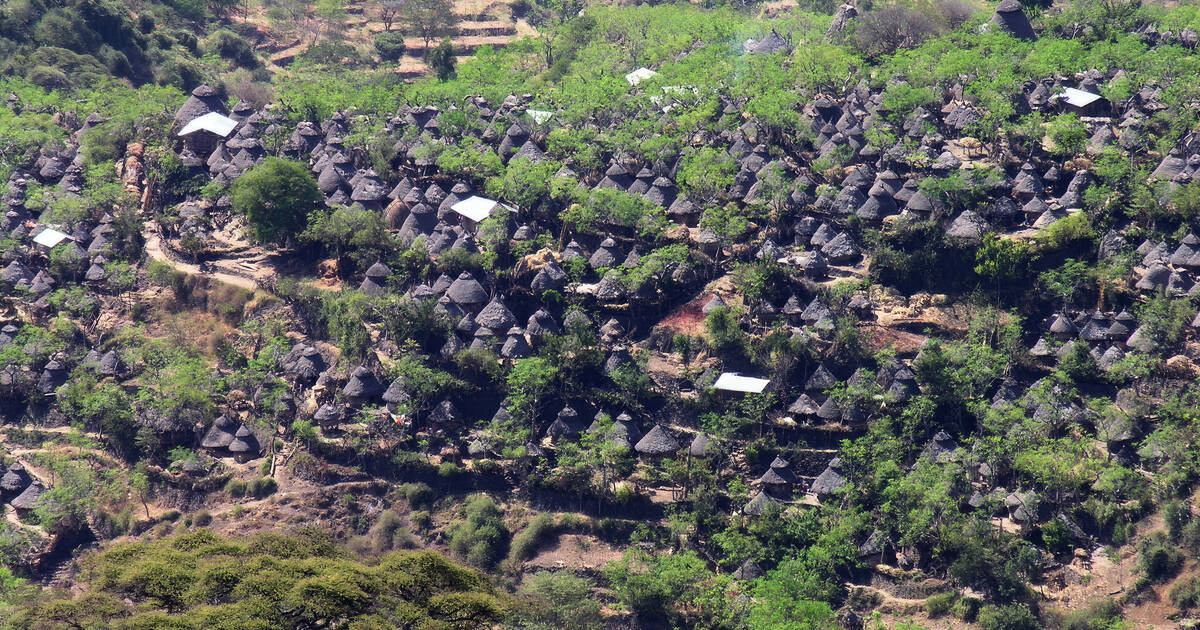
Description
1. Strategic Location
- High Altitudes: The villages are built on high hills and mountain peaks. The primary reason for this is to defend against enemy attacks and to maintain a vigilant watch over the surrounding environment.
- Defensive Walls (The Dry-Stone Walls): Each village is encircled by incredibly strong stone walls called “Kata.” These walls are constructed without any cement or mortar, created solely by stacking stones on top of one another. They can reach heights of up to 6 meters. Depending on the age of the village, the walls can consist of up to 6 concentric circles.
2. Internal Village Organization
- Narrow Paths (Labyrinth): The paths within the village are extremely narrow and labyrinthine. This is a deliberate defense mechanism designed to prevent an enemy from moving freely if they were to enter unexpectedly, making them easy targets for the residents.
- Gates: The villages have a limited number of narrow entrance gates. These gates are reinforced and closed with heavy timber at night.
- Residential Houses: The houses are built very close together with circular designs and thatched roofs. This layout reflects the tight-knit unity and social bond of the community.
3. Social Spaces
- Mora: In every village, there are open spaces called “Mora” used for public gatherings. these areas serve as venues for traditional justice, festivals, and as a dormitory for the village youth.
- Generation Pole (Olahita): Standing in the center of the village, this pole serves as a historical record to count how many years have passed since the village was founded and how many generations have lived there.
4. Stone Terraces
- The magnificent stone terraces surrounding the villages serve both residential and agricultural purposes. Beyond preventing soil erosion, these terraces help the soil retain water during the rainy season, contributing significantly to the greenery and sustainability of the area.
5. Cultural Significance
- The Amba Villages serve as a profound “school” showing how the Konso people integrate Collective Security, environmental conservation, and structural engineering. To this day, the residents continue to live in these villages, preserving their ancient traditions.
- Essential Tips for Travelers
- Footwear: Because the villages are steep and rocky, it is highly recommended to wear comfortable hiking shoes.
- Guides: The meanings behind Konso culture and its symbols are deep and complex. Hiring a Local Guide will make your journey much more meaningful and insightful.
- Climate: The area is quite warm. Don’t forget to bring sunscreen, a hat, and plenty of water.
Travel Itinerary
Day 1: Arrival and Karat City Tour
- Morning: Arrive in Karat, the capital of the Konso Zone.
- Afternoon: Visit the Konso Cultural Museum in Karat. This will help you gather background information about Amba Village and the Waga statues before you see them in person.
- Evening: Stay overnight at one of the local lodges (such as Kanta Lodge or Strawberry Fields).
Day 2: Amba Village and the Site of Heroes
- Morning: Travel to Amba Village. Explore the narrow paths of the village to see the historic stone walls, the Mora (community houses), and the Olayta (Generation Poles).
- Afternoon: Visit the Waga statues and the burial sites of heroes located near Amba Village.
- Evening: Return to Karat and enjoy tasting the local traditional dishes.
Day 3: Terraces and Departure
- Morning: Take a hiking tour around Amba Village to witness the magnificent stone-walled terraces and traditional farming methods.
- Afternoon: Begin your return journey.


Reviews
There are no reviews yet.