
Profile of Gardula Zone:
The Gardula Zone, nestled within the South Ethiopia Regional State, is a region of profound historical, cultural, agricultural, and natural significance. Formally recognized as the “Dirashe Special Wereda,” it has recently been restructured into a full-fledged administrative zone.
1. Geography and Capital
- Location: Gardula Zone shares borders with the Gamo Zone to the north, the Konso Zone to the south, the South Omo Zone to the west, and borders both Konso and Gamo to the east, tracing the shores of Lakes Abaya and Chamo.
- Administrative Capital: The zonal center is Gidole. Perched high in a mountainous terrain, Gidole is a picturesque town celebrated for its crisp, cool climate and sweeping vistas.
2. Demographics, Languages, and Social Values
Gardula is a vibrant mosaic of communities living in harmony, defined by a shared culture of hard work and mutual support.
- Ethnic Communities: While the Dirashe people form the primary demographic, the zone is also home to the Mossiye, Kusume, Mashille, and Duwe
- Languages: The rich linguistic landscape includes Diraytata, Kusimitata, Masholet, and Mossiyachata.
- Core Social Values: The community is widely respected for its exceptional work ethic and deep-rooted social fabric, preserved through traditional systems of communal cooperation known as Kafumata, Qorumata, Awla, and Pirkata.
3. Indigenous Agricultural Wisdom (Tarkana Potaya)
The people of Gardula possess world-class, time-tested indigenous agricultural technologies designed to master their mountainous landscape.
- Tarka: A sophisticated system of stone-wall terracing built along steep hillsides. This practice effectively prevents soil erosion and retains moisture.
- Potaya: An ingenious indigenous storage system utilizing underground granaries (locally known as Polot) to preserve harvests for extended periods.
- Primary Produce: The zone is highly productive, generating large yields of sorghum, various pulses, high-quality coffee, and Moringa (Shiferaw).
4. Cultural Heritage and Arts
The expressive arts of Gardula reflect a deep, intrinsic understanding of nature and acoustics.
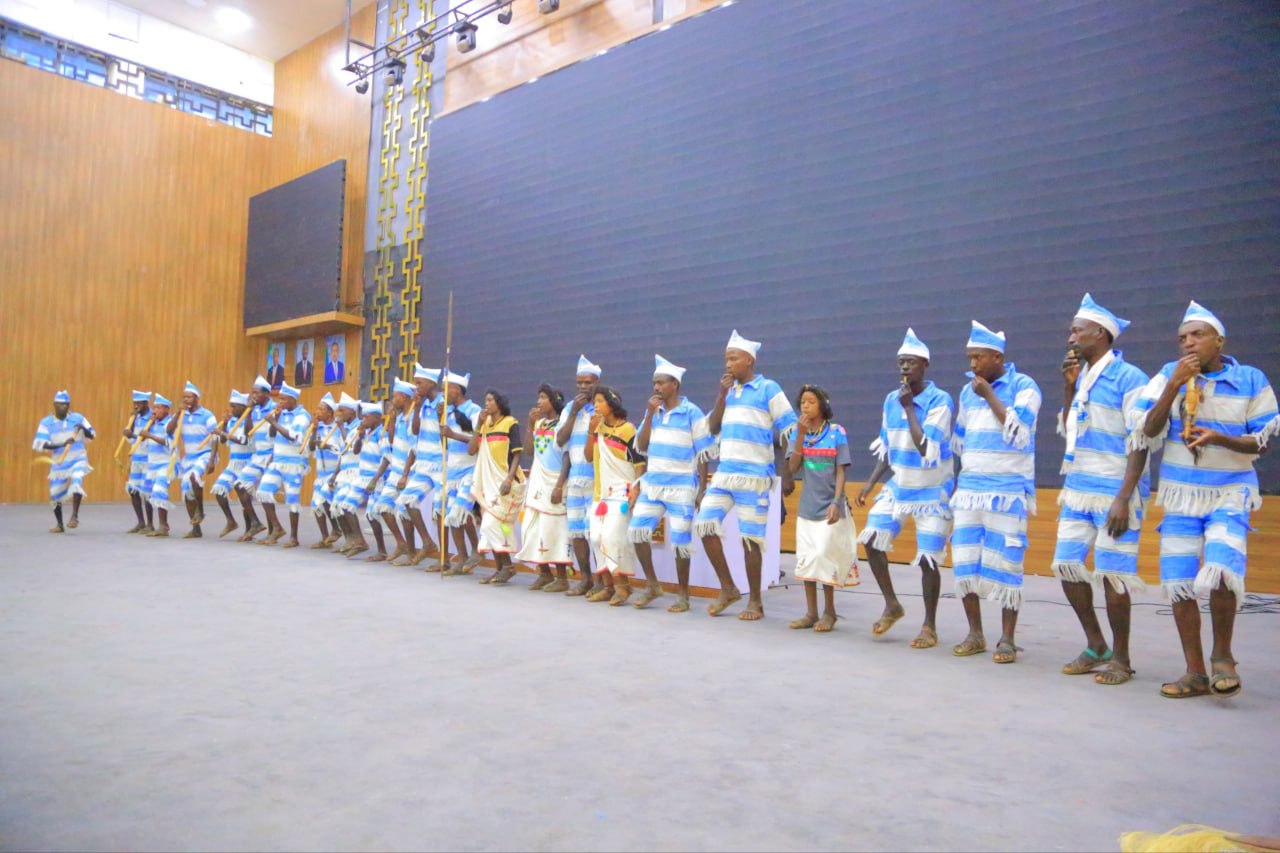
- The Filla Ensemble: The definitive cultural signature of the Gardula (Dirashe) people. It features a 12-pitch bamboo flute performance that relies on a highly complex, collective arrangement. Rather than playing continuous melodies individually, performers use a hocketing technique—where each musician plays a single note in a precise, interlocking sequence to weave a rich sonic tapestry. This advanced acoustic science has earned widespread acclaim from international musicologists.
- Ulupayta: A striking natural phenomenon where brilliant, snow-white stones dot the landscape. Looking like patches of pristine snow against the lush, rolling green hills, they create a breathtaking visual contrast.
5. Historical and Natural Attractions
The Gardula Caves and Anti-Colonial Resistance
During the fascist Italian invasion, Gardula’s rugged topography served as a critical strategic frontline.
- The Caves: Massive natural cavern systems became impenetrable strongholds for Ethiopian patriots (Arbegnoch), allowing them to launch highly effective guerrilla campaigns.
- Legacy of Martyrs: The Mountains of Gardula stand as a monument to the immense sacrifices made by local fighters who fiercely defended their nation’s sovereignty.
Karmo Viewpoint
Karmo is a premier tourist destination offering an unparalleled panoramic view of the Rift Valley. From this vantage point, visitors can look down upon the expansive waters of Lakes Chamo and Abaya, as well as the famous “Bridge of God” (the natural land bridge separating the two lakes). The site is also steeped in history as an ancient military fortification.
Ecological Sanctuaries: Man-Made and Ancient Forests
- The Gardula Man-Made Forest: A testament to community-led environmental stewardship, this lush forest was systematically planted and protected by local conservation initiatives, drastically improving the microclimate.
- Shoqolo Natural Forest: A pristine, ancient ecosystem that serves as a living laboratory for environmental scientists and students. It harbors centuries-old trees, rare endemic bird species, and diverse wildlife.
6. Economy
The economic lifeblood of the Gardula Zone is rooted heavily in sustainable agriculture and regional commerce.
- Livestock Farming: The region rears high-quality cattle catered to both domestic and export markets.
- Commerce: Due to its strategic geographical position, Gidole serves as a bustling commercial hub and transit bridge, linking multiple surrounding weredas and zones.
Conclusion
The Gardula Zone stands as a remarkable corner of Ethiopia where natural beauty, heroic history, and sophisticated indigenous knowledge—from the acoustic genius of the Filla to the engineering marvel of Tarka terraces—converge seamlessly.