
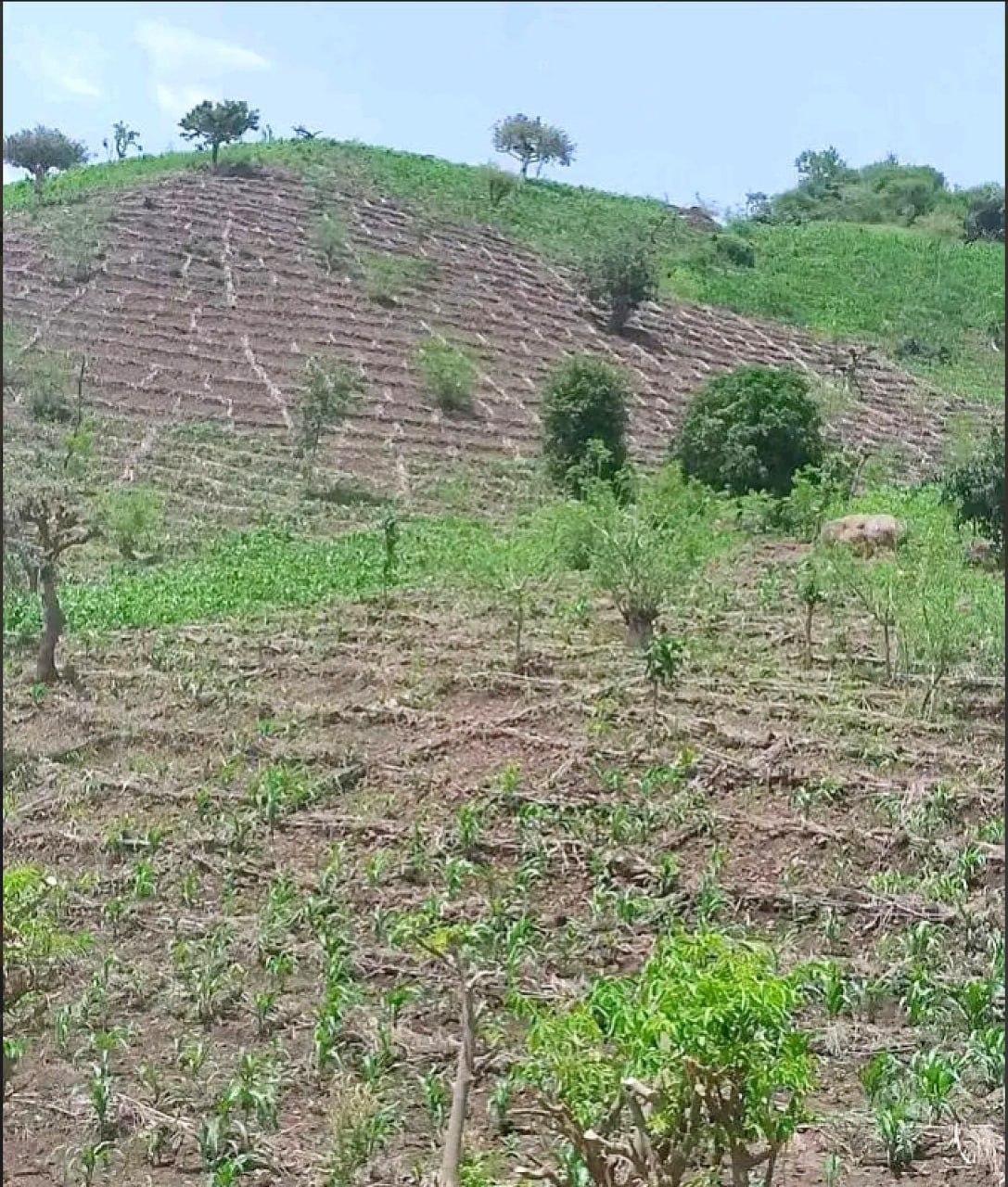
Tarka and Potaya: The Indigenous Agricultural Science of the Dirashe
The traditional farming methods of “Tarka” and “Potaya,” practiced by the Dirashe community, are recognized as some of Ethiopia’s most sophisticated ancient contributions to global agricultural science. These methods serve as strategic solutions designed for soil conservation and water management.
- Tarka (Terracing)
Tarka refers to the practice of maintaining soil moisture on farmland using crop residues and specialized terrain modification. Given the mountainous landscape, farmers use these methods to make the land suitable for agricultural production.
- Soil Walls: Walls built with dry soil act as barriers to prevent soil erosion during heavy rainfall.
- Flat Land (Potaya area): By ensuring the land between the terraces is flat, rainwater is encouraged to infiltrate the soil, maintaining essential moisture.
- Ancient Engineering: Tarka creates mutually reinforced, durable stone-walled terraces that have remained stable for centuries.
- Potaya (Water Pockets)
“Potaya” are unique, small-scale water-retaining pits created within agricultural fields.
- Process and Benefits: Before planting seeds, farmers prepare small pits by mounding soil. When it rains, these pits collect water, keeping the soil moist and helping crops thrive even during dry spells.
- Natural Protection: This method ensures food security even when rainfall is insufficient.
- Social Importance (Debo)
Because the labor required for Tarka and Potaya construction is extensive, the Dirashe people perform these tasks through “Debo,” a communal labor system. This process strengthens social ties and reflects the cultural value that “work is dignity.”
1-Day Itinerary (Exploring Dirashe Agricultural Science)
This itinerary is designed for a full-day exploration of Dirashe’s remarkable agricultural science.
- Morning (07:30 – 11:00): Depart from Gidole town and head to the rural villages. Visit the vast and impressive Tarka (terraces) built on the mountain slopes.
- Lunch (12:00 – 13:30): Rest at a restaurant in Gidole town to enjoy local traditional food and a beverage known as “Cheka.”
- Afternoon (14:00 – 17:00): Observe the construction of Potaya (water pockets) and witness how the community works together through the “Debo” system. During this time, experience the collective songs and Filla music that accompany the farmers. Conclude your tour at the Gidole traditional market to view various local handicrafts.
Traveler’s Tips
- Best Time to Visit: To see these methods in action, visit between March and April or from October to September.
- Guides: It is recommended to hire a local guide to gain deep insight into the secrets of Tarka construction and the social rules governing Potaya.
- Clothing: Wear sturdy hiking boots and bring a sun hat for protection.