
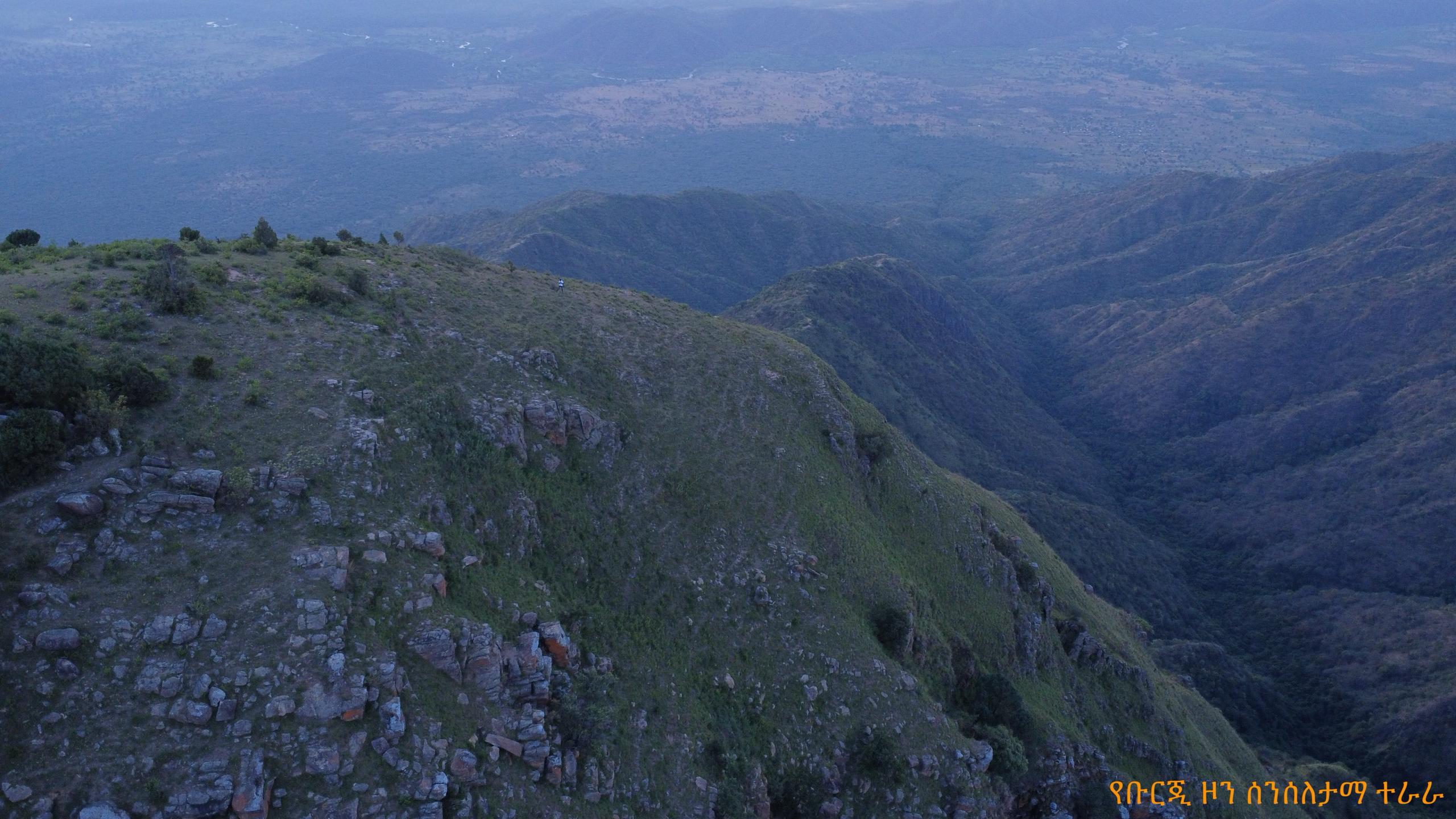
Burji Zone
Burji is a zone located in the South Ethiopia Regional State. Previously, it was known as a Special District under the former Southern Nations, Nationalities, and Peoples’ Region (SNNPR). Following the new regional administrative structure of Ethiopia, it has been upgraded to a zone-level administration.
- Geography & Location
- Location: Burji Zone is located in the mountainous and diverse landscape of southern Ethiopia. It shares borders with the Oromia Region (Borena Zone) to the east and south, Konso Zone to the west, and kore Zone to the north.
- Landscape: The area is mostly mountainous and green. Because it has both highland and lowland climates, it is suitable for producing different types of agricultural crops.
- Capital City:The administrative capital of the zone is Soyama. Since Soyama is located at a high altitude, it has a cool and pleasant climate.
- People & Culture
- Ethnic Group:The main inhabitants of the zone are the Burji people.
- Language: The local language is Burji language (Dhaashit / Dihashit). In addition, Amharic and Afaan Oromo are also widely spoken.
- Character and Values: The Burji people are widely known in Ethiopia as hardworking and dedicated farmers. Laziness is not encouraged in their culture. The community has a strong tradition of respecting elders and supporting one another.
- Settlement Style: They traditionally live in rural settlements where houses are carefully built and cleanliness is highly maintained.
- Economy & Agriculture
The main foundation of the Burji economy is agriculture. The zone is considered a “food basket” for surrounding markets.
Crop Production
- Teff:-Burji teff is highly valued for its quality and white color. It is widely produced and supplied to markets.
- Wheat and Barley:-These crops are mainly cultivated in the highland areas.
- Enset (False Banana):-Like many southern Ethiopian communities, enset is an important food security crop for the Burji people.
- Pulses:-Beans, soybeans, and other legumes are also produced.
Fruits;-Bananas, papaya, avocado, and pineapple grow widely in the area.
Trade:- Burji people are also known for their business skills. They actively participate in trade routes extending from Soyama to Moyale (Kenya border) and even up to Nairobi.
- Tourism and Attractions
The zone has untouched natural and historical resources:
- Min-Mona Cave: A historical defensive cave used in the past.
- Nadale Irrigation Development: The local people have developed impressive traditional farming techniques using terracing and traditional irrigation methods on mountain slopes.
- Kelale Lake:A beautiful water body found in the zone.
- Natural Forests: There are natural forests such as Woyo Forest, which serve as habitats for wildlife.
- Infrastructure
- Roads: There is a road connection from the Addis Ababa–Moyale road to Burji. However, internal roads still need improvement.
- Education and Health: Schools and health facilities have expanded in Soyama town and different districts. The people give high value to education.
- Traditional Burji Foods
The Burji ethnic group is known not only for its hardworking agricultural lifestyle but also for its unique, delicious, and healthy traditional foods. Most of their foods are prepared from grains, enset (kocho), maize, legumes, and traditional butter.
- Golga (Ruka)
This is a highly respected and popular traditional food among the Burji community.
- Main ingredient: Wheat flour
- Preparation: Wheat flour is kneaded well, mixed, and cooked in a large traditional clay pot.
- Cultural Value: It is commonly prepared as a gift when visiting relatives, especially for visiting a woman who has recently given birth or honored guests.
- Serving: After cooking, it is served on a traditional table and eaten together with milk.
- Fiqe This food represents the daily food security and eating culture of the community.
- Main ingredients: Made from maize, teff, and sorghum flour.
- Additional ingredients: Mixed with cabbage and beans.
- Cultural importance: It is one of the main everyday foods of the Burji people.
- Bite A simple and nutritious traditional food prepared regularly at home.
- Main ingredients: Made from wheat, teff, sorghum, and maize flour.
- Characteristics: Like Fiqe, it is a preferred daily food of the Burji community.
- Sarsko A traditional food with a unique preparation method and taste.
- Main ingredient: Made from barley.
- Preparation: The barley is first roasted, then ground into flour and mixed with beans.
- Serving: After being well mixed and prepared, it is ready to eat.
Note: These foods are expressions of Burji culture, connected with indigenous knowledge and local agricultural products such as grains and legumes.
- Coffee Breakfast (Kuti / Bun-Qurs)
The Burji people prepare a special drink by boiling coffee leaves (Kuti). Along with this drink, roasted grains such as maize and beans are served as breakfast. This tradition strengthens social relationships and community connection.
Useful Advice for Visitors
When visiting Soyama or rural villages, visitors are encouraged to request these traditional foods, especially those prepared with traditional butter, to experience the authentic Burji taste.
Burji traditional food is mostly organic and natural, without industrial spices or additives, making it very suitable for health.
Conclusion
Burji Zone is the land of hardworking farmers. It is known for combining agriculture with trade, having a peaceful and welcoming community, and possessing great potential as an emerging destination for researchers and visitors. The zone represents a rich combination of culture, natural resources, traditional knowledge, and agricultural strength.