
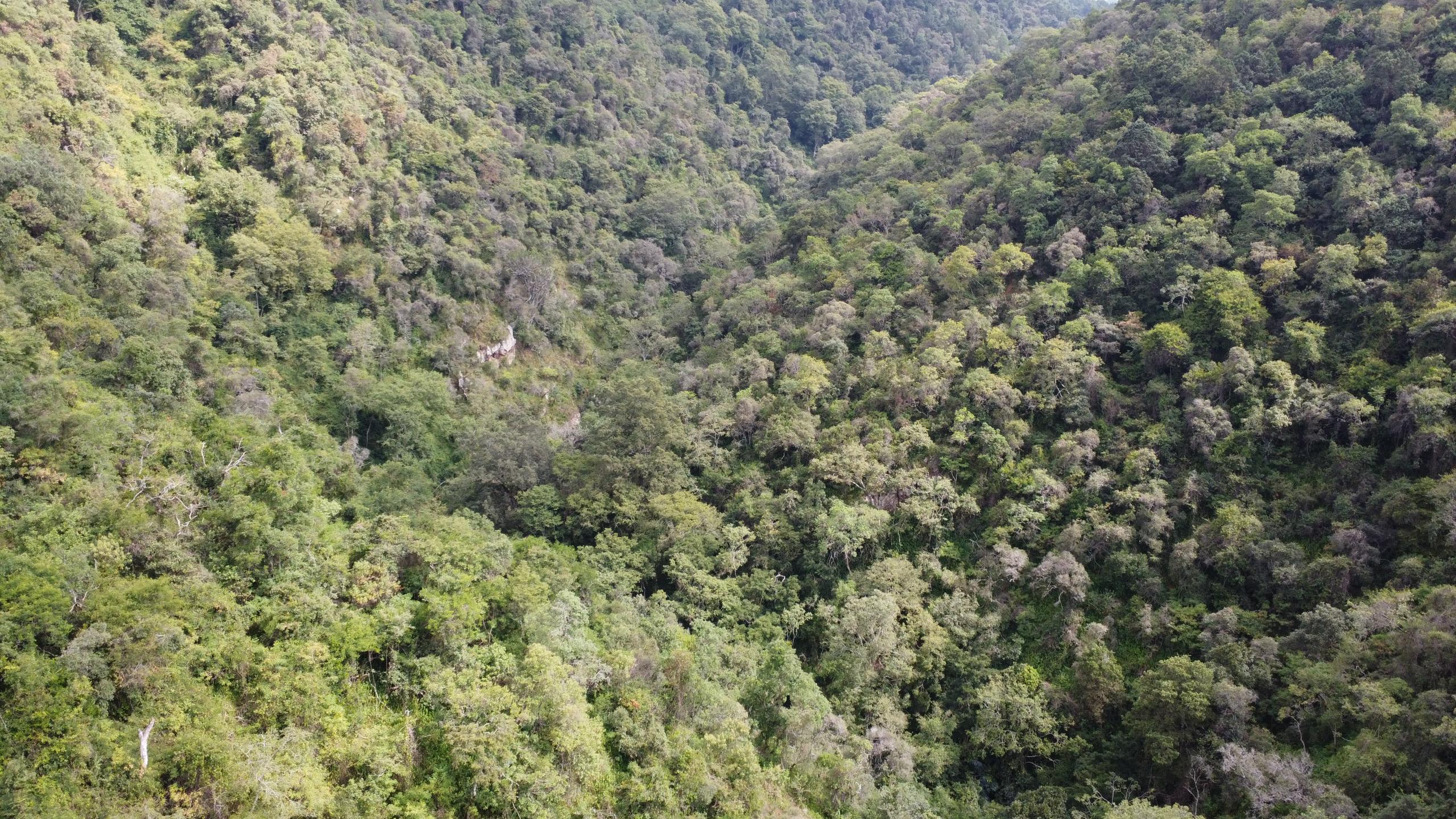
Woyo Natural Forest
Serving as the “lungs” of the Burji Zone, this protected old-growth forest is rich in biodiversity, indigenous trees, and wildlife.
v Forest Features & Cultural Background
- Flora & Fauna: Home to ancient indigenous trees like Juniper (Zigba), Sago, and Podocarpus (Tid). It hosts colobus monkeys, olive baboons, antelopes, wild boars, and rare bird species.
- Location: Located in Walaya Kebele, Soyama Zuria Wereda—21 km from Soyama town.
- The Meaning of “Woyo”: In the Burji language, “Woyo” means “taboo, forbidden, or shameful.”
- The Conservation History: Long ago, three local clans living in this area perished from a severe disease epidemic. Consequently, taking over or farming this land was culturally tabooed (Woyo). Because of this sacred cultural restriction, the forest remained untouched for generations, allowing it to flourish.
- Traditional Governance: The forest is managed by a traditional authority known as the “Esau.” The Esau permits community members to harvest timber for house construction free of charge, based on trust and need.
- Alternative Name: Some elders note that travelers from northern Ethiopia historically referred to this forest as “Wollo,” naming it after their home province.
v 1-Day Woyo Forest Itinerary
- Morning (8:00 AM – 12:00 PM): Drive from Soyama to the forest edge. Meet an authorized local forest guide. Walk the nature trails; listen to the morning birds, and spot monkeys in the canopy.
- Afternoon (1:00 PM – 3:00 PM): Have a picnic lunch at the edge of the forest. Note: Lighting fires or leaving trash is strictly forbidden. Return to Soyama.