
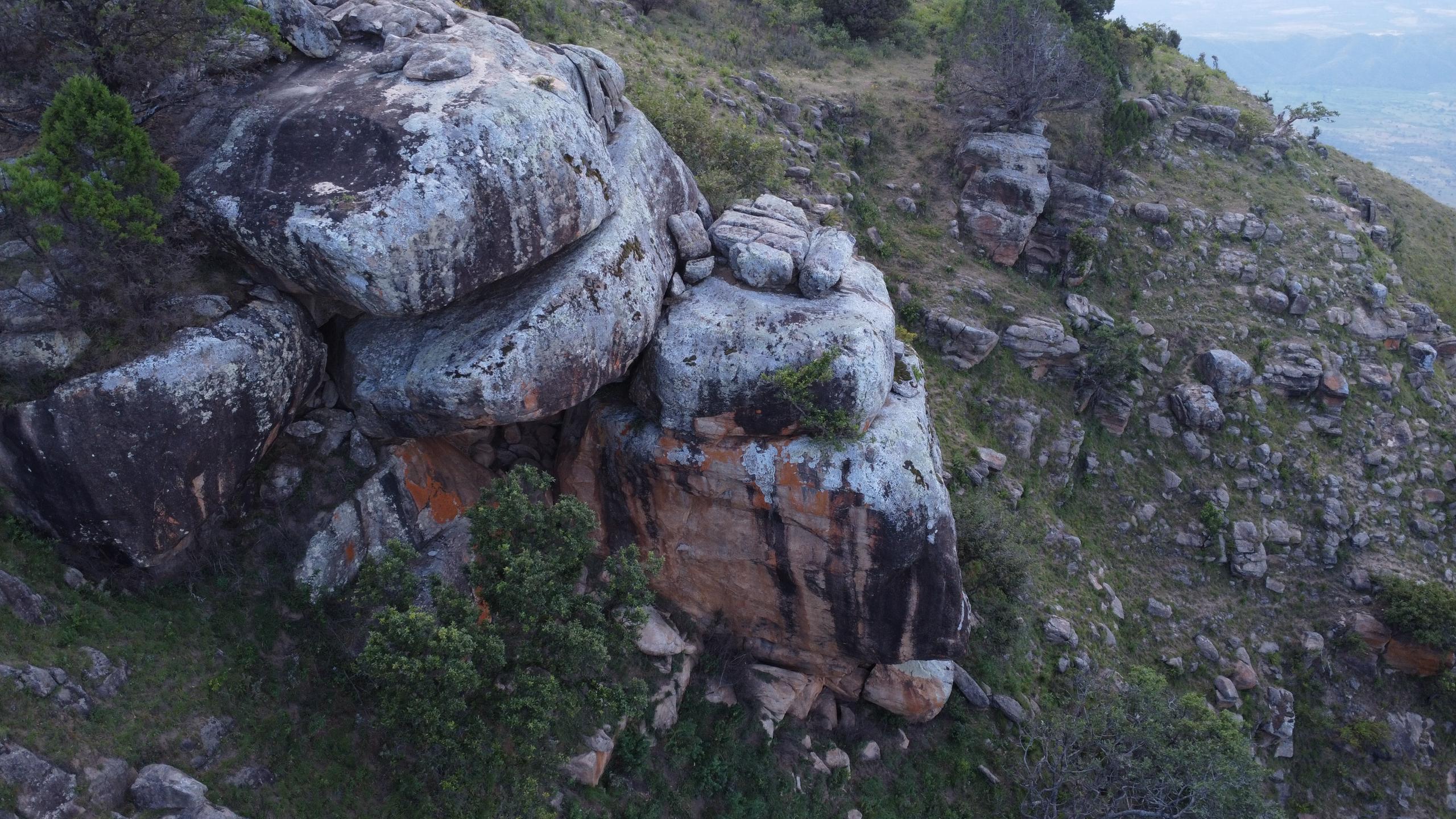
About Min-mona Cave
A historical and natural marvel located in Yebeno kebele, easily accessible from Soyama town.
v Nature and History
- Defensive Shelter: Min-Mona Cave is famous as an ancient military fortress. The Burji people used it to shelter women and children and defend themselves during times of war or invasion.
- Natural Structure: Formed within a rugged rocky landscape, the cave features massive interior chambers capable of holding large groups of people.
- Tactical Entrances: The cave has narrow, easily defensible entryways opening into expansive chambers, making it highly difficult for adversaries to breach.
v 3-Day Soyama & Cave Itinerary
- Preparation: A private 4WD vehicle is recommended, though public transport to Soyama is available. You must hire a local guide from the Soyama Culture and Tourism Office. Bring a flashlight, sturdy shoes, and water.
- Day 1 (Arrival): Travel from Hawassa or Dilla to Soyama. Check into your accommodation, explore the local market, and meet your guide in the evening.
- Day 2 (Cave Expedition): Start your journey to Min-Mona Cave at 8:00 AM. Walk the final stretch to reach the cave. Explore its chambers while learning about its history. In the afternoon, view the Yebeno-Halame landscape and taste traditional Burji dishes.
- Day 3 (Departure): Return to your starting destination.
Best Time to Visit: The dry season (September to May) is ideal, as the trails can become very slippery during the rainy season.