
Overview of the Basketo Zone
The Basketo Zone is one of the most fertile and resource-rich areas in the South Ethiopia Regional State. Formerly administered as the “Basketo Special Woreda,” it has recently been elevated to a full Zonal administrative structure. The zone is administratively organized into the Laska City Administration and the Laska Zuria Woreda.
- Geography and Location
- Boundaries: Situated in the South Ethiopia Regional State, Basketo borders the Gofa Zone (Melo Koza and Geze Gofa woredas) to the north and east, and the South Omo Zone (North Ari and Salamago woredas) to the south and west.
- Capital City: The administrative center and capital of the zone is Laska.
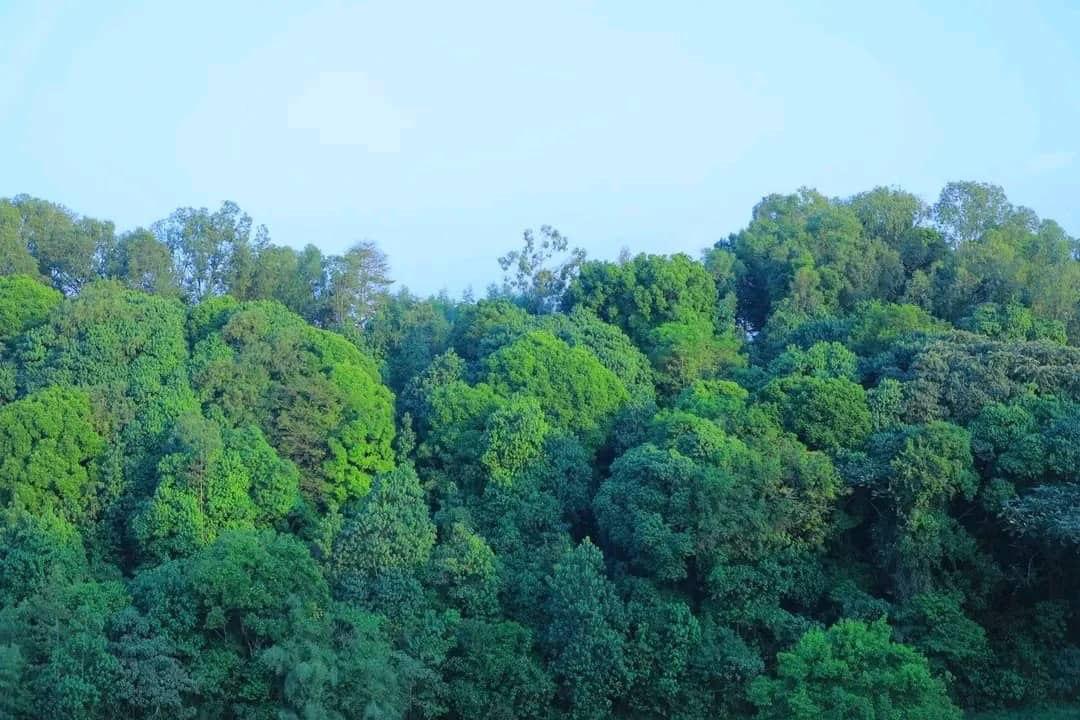
- Topography: Much of the zone features a mountainous, rugged, and undulating terrain, beautifully covered with lush, green forests.
- Climate: The climate is predominantly Woyina Dega (temperate) and Dega (cool highlands), making the area humid, verdant, and highly comfortable for both residents and visitors.
- Economy and Agriculture
Agriculture serves as the backbone of the Basketo Zone economy, supported by naturally fertile volcanic soil and a favorable climate.
- Primary Products:
- Coffee: Basketo is known for producing high-quality specialty coffee characterized by three distinct flavor profiles: “Mocha,” “Spicy,” and “Chocolate.”
- Spices: The zone widely supplies cardamom and ginger to the national market. The Basketo cardamom, in particular, is in high demand.
- Enset (False Banana): This serves as the primary food security crop for the local population.
- Fruits: Avocado, banana, and pineapple are grown in abundance across the zone.
- Handicrafts: The community possesses a rich heritage in artisanal craftsmanship, particularly in bamboo work, pottery, and metalwork.
- People and Culture
- Ethnicity: The zone is the homeland of the Basket people.
- Language: The native language is “Basketigna” or “Basket Nona,” which belongs to the Omotic language family. Amharic is also widely spoken as a working language.
- Traditional Foods and Drinks:
- Jira: A beloved traditional dish prepared from Enset derivatives.
- Zura: A delicious traditional staple made from a blend of maize, sorghum, and barley.
- Farsa (Borde): A popular, refreshing traditional fermented beverage brewed from various local grains.
- Tourism Destinations
Basketo is a destination for untouched eco-tourism and vibrant cultural experiences.
Natural Attractions:
- Sirso Waterfall: Located 5 km from Laska, with a height of over 128 meters.
- Berso Waterfall: Situated 400 meters from Sirso; a stunning natural wonder.
- Ocho Waterfall: Located 10 km from Laska, with a height of over 40 meters.
- Mizigawa Cave: A historic site that served as a shelter for both livestock and people.
- Adita Cave: The largest cave system in the zone, historically used for various purposes.
- Abune Aregawi Monastery /Soynigawa Cave: A site of historical and spiritual significance.
- Tsita Mountain: A scenic attraction ideal for trekking and hiking.
Cultural and Historical Sites:
- Gotir Gala Natural Protected Forest: A protected area home to diverse wildlife and plant species.
- The Kasha System (Sholla-Kasha): A grand thanksgiving festival celebrated by the Basket people annually at the end of December and the beginning of January.
- Doko Kati Forest: A sacred communal forest preserved for generations, representing the community’s culture.
- Basketo Zone Temporary Museum: A center dedicated to preserving historical artifacts and traditional household implements.
- Infrastructure
- Roads: Transportation access is steadily improving. The primary gateway is the asphalt road connecting Sawla to Laska.
- Hospitality: While there are local guest houses in Laska, there is a shortage of modern tourist lodges. This sector presents a significant investment opportunity for private developers.
Summary
Beyond its contribution to the Ethiopian economy through coffee and spice production, the Basketo Zone is an ideal environment for tourism and agricultural investment due to its stunning natural beauty and favorable climate.