

Description
Here is a detailed explanation of the museum:
1. Purpose and Establishment of the Museum
The museum was primarily established to protect Konso’s cultural heritage—especially the wooden statues known as “Waga”—from illegal traffickers, theft, and natural hazards (such as termites and rain). Furthermore, it is organized as a “Community Museum” intended to empower the local community to protect its own heritage, while providing the new generation and international visitors with a profound understanding of Konso culture.
2. Main Exhibits in the Museum
- Collection of “Waga” Statues: This is the most fascinating and prominent section of the museum. “Waga” are wooden carved statues erected in memory of heroes, clan leaders, and notable figures. A single Waga is a sculptural masterpiece that places the hero in the center, flanked sequentially by the enemies they defeated, the wild animals they hunted (like lions or leopards), and their wives. The museum houses ancient Wagas that have survived for centuries.
- Displays of the “Baalle” Governance System: This section features materials illustrating the generation class system and democratic governance under which the Konso people are guided. It explains how power is peacefully transferred every 18 years and how the community enacts its laws.
- Agricultural and Household Items: The traditional farming tools used by the Konso people to transform their rocky and mountainous landscape into fertile land, the equipment used to construct their famous stone terracing, as well as various pottery and leather products, are presented in detail.
- Traditional Clothing and Jewelry: Traditional Konso cotton garments characterized by vibrant colors (especially red, yellow, and black, such as the Dala), along with various jewelry pieces that indicate social status, are on display.
3. Architecture of the Museum
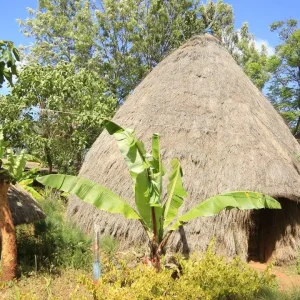
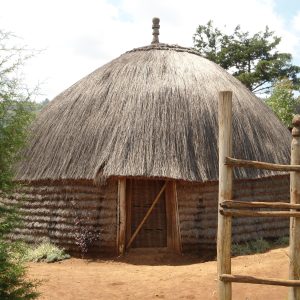
The museum building itself is constructed following the traditional Konso architectural style and village layout. The houses feature thatched roofs and are enclosed by traditional stone walls. This design provides visitors with a preliminary understanding of the village layout and defense strategies before they visit the main Konso villages (Paletas).
This museum serves as a living historical archive that encapsulates the strength, diligence, and wisdom of the Konso people in one central location.
Here is the English translation, formatted cleanly so it is ready to be added to the web portal’s content management system:
- Travel Itinerary
This itinerary is a comprehensive 3-day program designed to help visitors thoroughly explore Konso and its surroundings. (Note: Assuming Arba Minch as the starting point; Konso is located approximately 90 km away.)
Day 1: Cultural Village and Landscape Tour
- Morning: Drive from Arba Minch to Karat, the main town of Konso (an approximate 1.5-hour journey). Check-in at your accommodation (e.g., Kanta Lodge).
- Afternoon: Visit one of the UNESCO-registered traditional Konso villages (such as Mecheke). Observe the architectural brilliance of the extensive stone terracing and explore the “Mora,” the central gathering and justice square of the community.
Day 2: Historical Center and Spectacular Natural Scenery
- Morning: Visit the Konso Community Museum. Learn about the history of the wooden “Waga” memorial statues, traditional handicrafts, and the overall heritage of the Konso people, accompanied by detailed explanations from the museum guides.
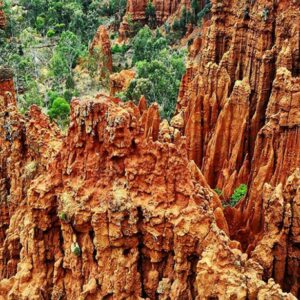
- Afternoon: Head just outside Karat town to visit the breathtaking natural sand formations locally known as “New York” (Gesergiyo). This site features a stunning landscape of tall, skyscraper-like sand pillars created by centuries of natural soil erosion.
Day 3: Traditional Market and Departure
- Morning: Experience the vibrant local traditional market (if your visit coincides with the local market days). This is the perfect time to shop for souvenirs, including local handicrafts, traditional woven textiles, and colorful baskets.
- Afternoon: Return journey to Arba Minch or proceed to your next travel destination.
Reviews
There are no reviews yet.