weynitu

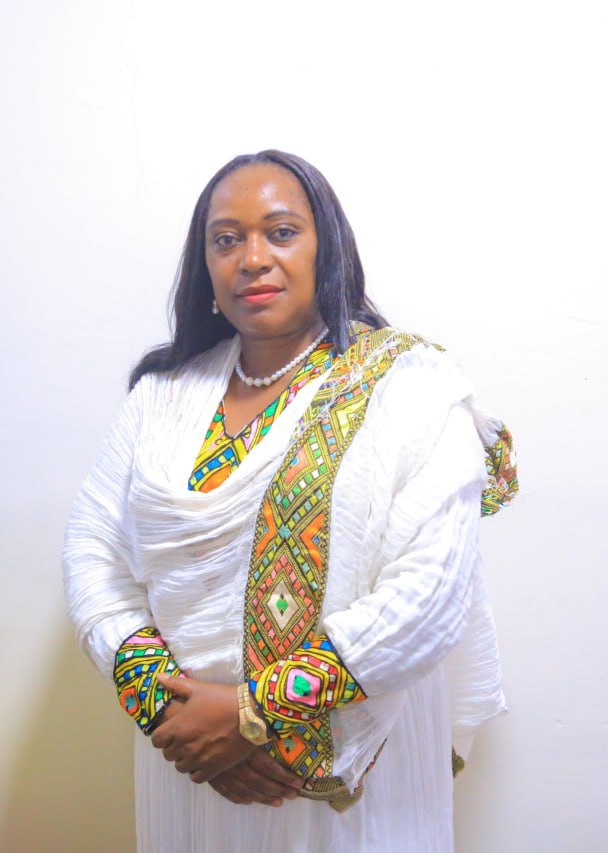
weynituMessage from the Head of the Tourism Bureau 

The Southern Ethiopian Region is a region with beautiful landscapes and attractive natural resources, home to 32 of the country’s ethnic groups and nationalities. The region is home to a variety of wildlife, birds and plants and is home to 4 of the country’s 27 national parks, namely Maze National Park, Mago National Park, White Sands National Park and Omo National Park. Ethiopia’s World Heritage Sites include the Lower Omo Valley, the Konso and Gedeo Cultural Landscapes, the Tama Community Sanctuary, the Murle Game Reserve and the only crocodile ranch in East Africa.

The primary mission of the Tourism Bureau is to study, protect and develop the resources within the region and ensure their transfer from generation to generation. Accordingly, the tourism sector, which is currently growing rapidly in the world, is being strengthened by conducting strong promotion and marketing work and introducing cultural, natural and man-made resources to the world community, so that they contribute to the region’s social and economic benefits. In addition, the sector is playing an important role as one of the economic sectors that contribute to the region’s income and prosperity.

After the sector was organized as a tourism bureau by the proclamation number 84/2017 issued by the regional council to determine the powers and functions of the executive bodies, it was Organized into three sectors, namely the parks development and wildlife protection and management sector, the access and infrastructure expansion sector, and the tourism promotion and marketing sector, indicating that the government has paid attention to the sector. In addition, the inclusion of the Directorate of Heritage Research, Conservation and Development within the bureau shows that the responsibility assigned to us is very great, not only to promote the region’s heritage but also to protect it from illegal activities. Therefore, I would like to convey my message to the nations, nationalities and other stakeholders of our region, standing by the regional office, maintaining the relative peace in the region, developing and preserving the natural resources in our area, and promoting them to generate wealth by entering the tourism market. Thank you!

Ms. Weynitu Melku

Head of the Tourism Office Tourism bureau

SOUTH ETHIOPIA REGION OF TOURISM BUREAU

Background

The Southern Ethiopia Regional State Government was established as a separate regional state from the former Southern Nations, Nationalities, and Peoples’ Region, based on the Regional Government Charter No. 1/2015, under the name “Southern Ethiopia Regional State.” Accordingly, to establish executive bodies and determine their powers and functions, the Bureau of Culture and Tourism was formed under Proclamation No. 3/2015.

The Bureau is internally organized around four main work processes. Its responsibilities include preserving, documenting, and promoting the cultural, linguistic, historical, artistic, and natural tourism resources of the region’s nations, nationalities, and peoples in an organized and systematic manner. It also ensures sustainable use and equitable access to these resources, providing political, social, and economic benefits.

To further strengthen public engagement and participation, and in response to evolving circumstances, the Regional Council revised the Bureau’s organizational structure under Proclamation No. 84/2017. This gave the Bureau the authority to operate independently at the Bureau level.

The sector focuses on research, classification, preservation, and passing tourism resources to future generations. It also conducts strong promotion and marketing activities to publicize the region’s cultural, natural, and man-made assets to the global community, thereby contributing to the region’s social and economic development.

The Bureau is located in one of the region’s six major cities Konso-Karat—home to the Konso Cultural Landscape, a site registered as a UNESCO World Heritage Site, ensuring its work is directly linked to significant cultural and tourism resources.

Vision
By 2022, we will make the tourism sector one of the primary foundations of national prosperity.

Mission
To create a sustainable and competitive tourism industry and ensure superior social, economic and ecological benefits by studying the cultural, historical and natural tourism resources of our region, preserving, developing, promoting and building the positive image of our region through community participation and stakeholder coordination.

Values

  • Respect for
  • diversity
  • Hospitality
  • Transparency
  • Accountability
  • Readiness for change
  • Service excellence
  • Involvement

Duties and Responsibilities

  • It formulates policies, strategies, and legal frameworks that ensure the continuity of tourism development, prepares detailed operational plans aligned with regional and national development directions, and implements them practically.
  • It promotes tourism by publicizing the region’s scenic beauty and tourism assets both domestically and internationally.
  • It differentiates and publicizes the region’s tourism, community-based, and eco-tourism facilities to make them suitable and competitive for the tourism market.
  • By conducting tourism market research, exploring the market, and establishing market linkages, it enhances the economic contribution of the sector.
  • It facilitates the development of new tourism facilities, develops existing tourism destinations, and ensures tourism products and services are improved in quality and quantity to become competitive.
  • It ensures the preservation, protection, and tourism-appropriate utilization of the region’s natural heritage.
  • It categorizes the region’s heritage and develops new tourism facilities based on existing heritage, registers them according to international heritage standards, ensures restoration and maintenance, and provides professional support.
  • It establishes a market brand for the region’s tourism assets, promotes them, and ensures their recognition.
  • It promotes the expansion of sports, exhibition, and conference tourism within the region.
  • It ensures the preservation, protection, and tourism-appropriate utilization of the region’s natural and man-made tourism resources.
  • It supports the sector through technology, research, and studies, enhancing the region’s economy and monitoring implementation.
  • It ensures national parks, protected areas, community conservation areas, and wildlife habitats contribute to the community’s economic benefits.
  • It establishes systems to encourage private sector participation and involvement in tourism development, creating favorable conditions for implementation.
  • It categorizes tourist service providers by level.
  • It issues service competency certificates to actors in hotels and tourism services within the region.
  • It evaluates star-rated hotels and similar service providers in the region.
  • It collaborates with tourism stakeholders—including government, community, associations, and private actors—to ensure quality tourism products and services.
  • It facilitates favorable conditions for the regional tourism advisory council to perform its supervisory role.
  • It identifies and registers heritage that can and cannot be developed, prevents illegal heritage exploitation, and collaborates with relevant stakeholders to restore damaged heritage.
  • It ensures legal ownership, certification, and administrative plans for heritage in cooperation with relevant bodies.
  • It studies entrance and other service fees at tourism destinations and facilities within the region.
  • It collects, consolidates, disseminates, and reports tourism-related information, evaluates project ideas, and communicates investment approvals to relevant parties.
  • It establishes and manages wildlife shelters and parks that are essential for the tourism market.
  • It ensures the protection of regional parks, monitors and supports their development and administration.
  • In collaboration with the Ministry of Tourism and the regional Planning and Development Bureau, it develops a tourism satellite account system integrated into regional and national economic accounts.

Services We Provide