
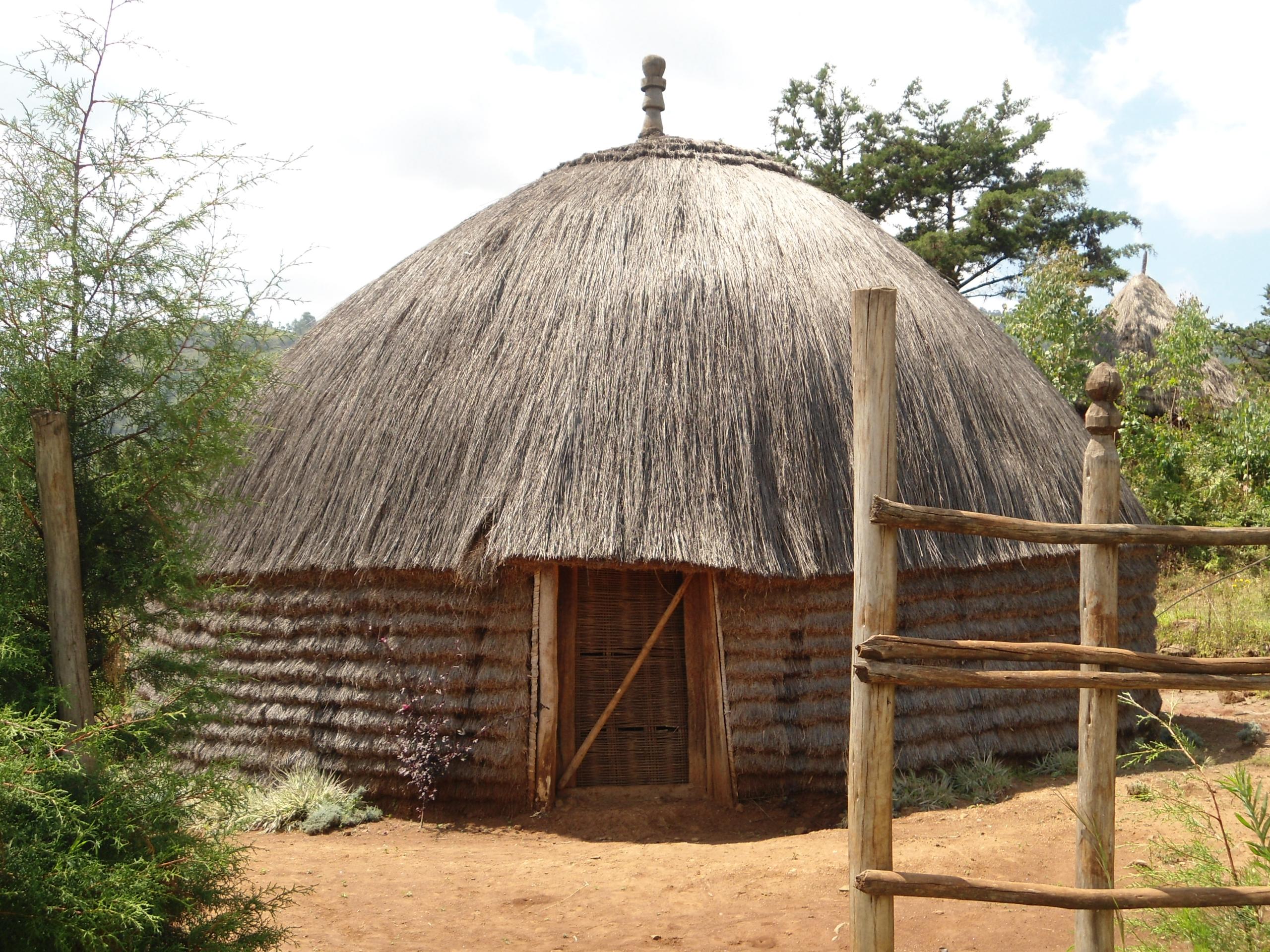
Transition Museum
This museum is located in Wolaita Sodo town (on the road leading to Arba Minch, in the Wolaita Development Association compound), and is a great heritage center built to transmit the history, art, and identity of the nation to the next generation.
Here is a detailed explanation of the museum:
Location and Structure
- Location:- The museum is located in the Wolaita Development Association compound on the road leading to Arba Minch in Wolaita Sodo town.
- Museum Building:- The building is designed in the shape of a traditional Wolaita house (Tukul) and is a convenient place for visiting.
Artifacts in the Museum
The museum focuses on three main areas:
- Historical artifacts: Ancient Wolaita kings’ (Kawo) costumes, weapons (shields and spears), and photographs.
- Cultural and material collections: Wooden, clay, and leather furniture, musical instruments, agricultural tools, and traditional communication tools (e.g., Ulduwa).
- Archaeological findings: Ancient stone tools and evidence of early human life found in the area are on display.
The main objectives of the museum
- Identity Awareness: To provide the next generation with an adequate understanding of the deep history and civilization of the Wolaita people.
- Research and Development: To serve as a primary source of information for university students and historians.
- Tourism: To serve as the first information point (point of entry) for visitors to the Wolaita zone.
Special Features
The things you see when you enter the museum are not just random; each artifact has its own story. For example:
- Scenes depicting the celebration of the Gifata festival,
- Information about the traditional governance system (halaqa),
- Works depicting the history of Wolaita weaving and pottery.
Useful information for visitors
- Opening hours: Monday to Sunday (open from 2:30 AM to 11:30 PM on weekdays; it is recommended to check in advance on weekends).
- Guide: The museum’s guides provide explanations in Wolaytatuwa, Amharic, and English.
Useful information for visitors
- Entrance fee: There is a reasonable fee for domestic and international visitors.
- What to bring? Bring a history notebook and questions; you will also get extensive information from the experts.
Summary: Wolayta Transition Museum is a must-visit place to understand the historical journey of a people and the legacy of civilization.
Itinerary
Since the museum is located in the city, you can easily visit it before or after heading back to other Wolaita attractions (such as Damota Mountain or Exer Bridge).
Day 1: Reach Sodo Town
- After arriving in Sodo by car from Addis Ababa, the museum can be easily reached by any taxi or motorbike.
Day 2: Museum Tour
- Morning (2:30 – 5:30): The best time to visit the museum is in the morning. It will help you see it in peace and quiet.
- Guide: Don’t forget to use a trained guide in the museum; you should get an explanation of the deep history behind each artifact from the guides.
Photography: – Ask in advance about the places where photography is allowed and not allowed according to the museum regulations. Take photos if you get permission.
Day 3: After the Museum
- Visit the traditional restaurants near the museum and eat Wolayta “Mucho” or “Kochikocho”.
- After that, take a break in the city parks, looking at Mount Damota from a far.