Sacred-Site-of-the-Seven-Gedeo

Sacred Sites of the Seven Gedeo Tribes

  1. Key Notes: Access to Sacred Sites

These sites (often known as Ker’o or Ya’a’a) are not open to the general public or tourists.

  • Reason: The sacred sites are reserved for the Aba Bale and elders, the leaders of the Gedeo Baalle System, for religious ceremonies, judicial decisions, and social blessings. It is believed that outsiders would violate the spiritual purity of the site.
  • Function: These sites are the center of the tribes’ annual renewal (deraro), initiation, and peace ceremonies.
  1. Detailed Description of the Sacred Sites
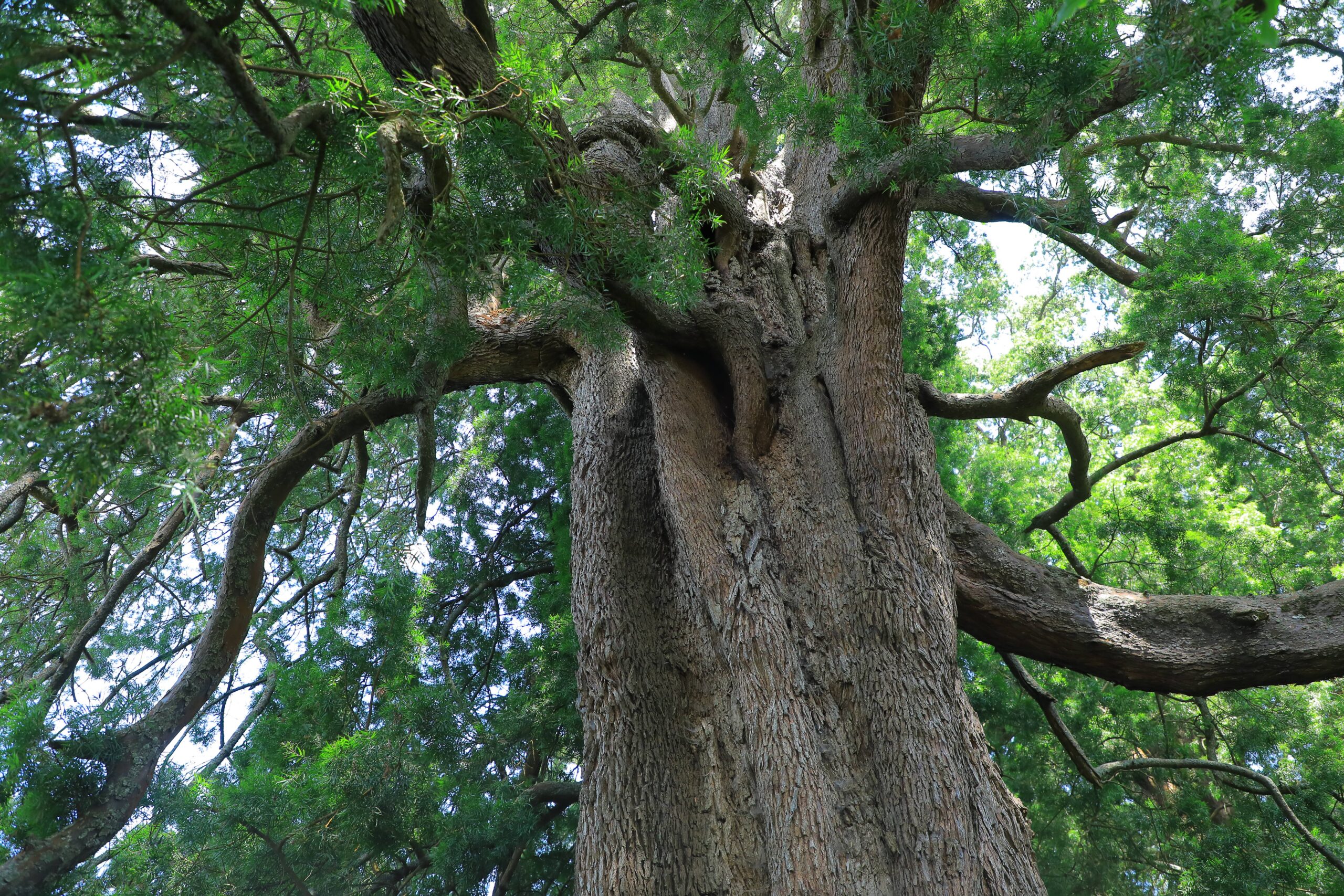
  • Type: These sacred sites are dense forests covered with ancient giant trees (Sacred Groves). They demonstrate the strong spiritual connection of the Gedeo people with nature.
  • Bale System: These sites are the center of the Bale system, the traditional system of governance and age grouping (similar to the Gada). This is where the Council of Elders (Songo) is held.
  • Conservation: The Gadeo law strictly prohibits cutting down trees or destroying any natural feature around the sites.

III. Alternative Tour Plan (to understand the culture)

Although it is not possible to enter these protected areas, the Gadeo culture and the significance of these sites can be understood according to the following plan.

Day 1

  • Heritage and Information: – Travel to Dilla town. Visit the Gadeo Culture and Tourism Office to get an explanation of the Bale system and the historical and spiritual significance of the protected areas.
  • Afternoon: Visit easily accessible monument sites (such as Tuto Fela or Basura) to see the sacredness and historical aspects of the sites.

Day 2

  • Living Culture and Nature: Morning: Meet with a local guide to discuss the Songo and the role of protected areas with local elders or tribal leaders.
  • Afternoon: Visit waterfalls or dense forest areas (such as Bololosa Falls) to see the respect and protection that the Gedeo people have for nature.
  1. Visiting Warning
  • No Attempts: You should not attempt to enter protected areas under any circumstances. This is a violation of local cultural laws and may lead to conflict with elders.
  • Respect comes first: It is important to show great respect around cultural centers and monuments and ask permission before taking photographs.