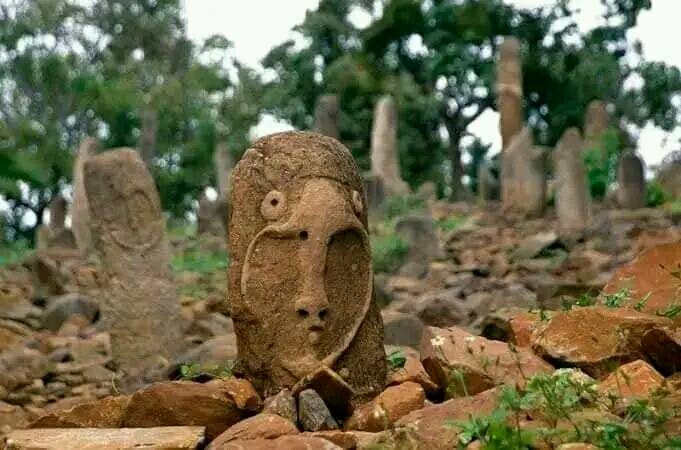
Odola Galma

Odola Gelma

While people often go to Odola Gelma to see the Baalle system or the elders’ assembly, the site is also home to some amazing ancient rock engravings (Rock Engravings/Petroglyphs).

This site is an archeological and cultural site. An explanation of the Odola Gelma rock engravings and an itinerary are provided below.

A detailed explanation of the Odola Gelma rock engravings

  1. Nature and content
  • Type of paintings: The artifacts found at Odola Gelma are “rock engravings” (Petroglyphs), which are carved or incised on large rocks.
  • Imagery: They mainly depict cattle. What makes them unique is that the cattle do not have humps. This suggests that the paintings were made before the introduction of the zebu cattle to East Africa. This means that the paintings are thousands of years old (estimated to be before Christ).
  • Animal Representation: This shows that the ancient inhabitants of the Gedeo area were cattle breeders before agriculture and that cattle were highly respected by them.
  1. Location and Context
  • Location: It is located in the Dilla district, a short distance (3-5 km) from Dilla town.
  • Sacred Site: The site of the paintings is located in the grounds of a sacred site where the “Bale ritual” is performed for the Gedeo people.
  • Double Heritage: When visitors go here, they will find two things at once: one is ancient rock art, and the other is the still-living Bale ritual of prayer and transition (The Ritual Site).
  1. Conservation and Management
  • These paintings are fading due to natural influences (rain and sun), so you may not be able to see them easily without special attention and the help of a guide.

Travel Plan (for Odola Gelma and surroundings)

Odola Gelma is very close to Dilla town, so it is suitable for a half-day or full-day visit.

Day 1: Arrival in Dilla and Preparation

  • Afternoon: Arrive in Dilla town.
  • Preparation: Contact a specialist/guide with knowledge of rock paintings from Dilla University’s Department of Tourism or the Zonal Culture Office. (Experienced person is required to identify the paintings).

Day 2: Exploring Odola Gelma

  • Morning (2:30 – 3:00): Travel from Dilla to Odola Gelma (by car or short bakjage ride then on foot).
  • Main activity (rock paintings):
    • When you arrive at the site, first head to the large rock and look for the carved images of cattle on it.
    • Use the direction of the sunlight to make the images clearly visible (they are best seen in the morning or evening when the shadows fall on them).
    • Take photos (but avoid touching the images with your hands).
  • Related activity (Bale ritual site):
    • Visit the “Odola Gelma” traditional hall and the sacred trees next to the rock paintings.
    • Ask the guide why this place was chosen and the connection between the ancient paintings and the traditional system.
  • Afternoon (optional – Micha):
    • If you have time, you can go to another heritage site called Micha, which is also located around Dilla. There are similar rock paintings and stone carvings there.
  • Evening: Return to Dilla town and overnight.

Day 3: Return or Continue

  • Return to Addis Ababa or continue your journey to other Gedeo attractions (such as Tutu Fela).

Important Tips for Visiting Odola Gelma

  1. Viewing Time: The rock engravings are best viewed when the sun is not strong (morning or evening). At midday, when the sun is overhead, the shapes are difficult to see because they blend into the rock.
  2. Caution: Please refrain from spraying water or oil on the carvings to “make them look better”. This will damage the artefacts. It is also not recommended to mark them with chalk or other objects.
  3. Respect for the Environment: As the site is a sacred place for the performance of the Bale ritual, you may be required to take off your shoes. Respect the instructions of the local elders.
  4. Guide: This site does not have a clear description as a museum. Since it is possible to go without a guide and just see the rock and return, having someone to explain the history makes the trip more meaningful.