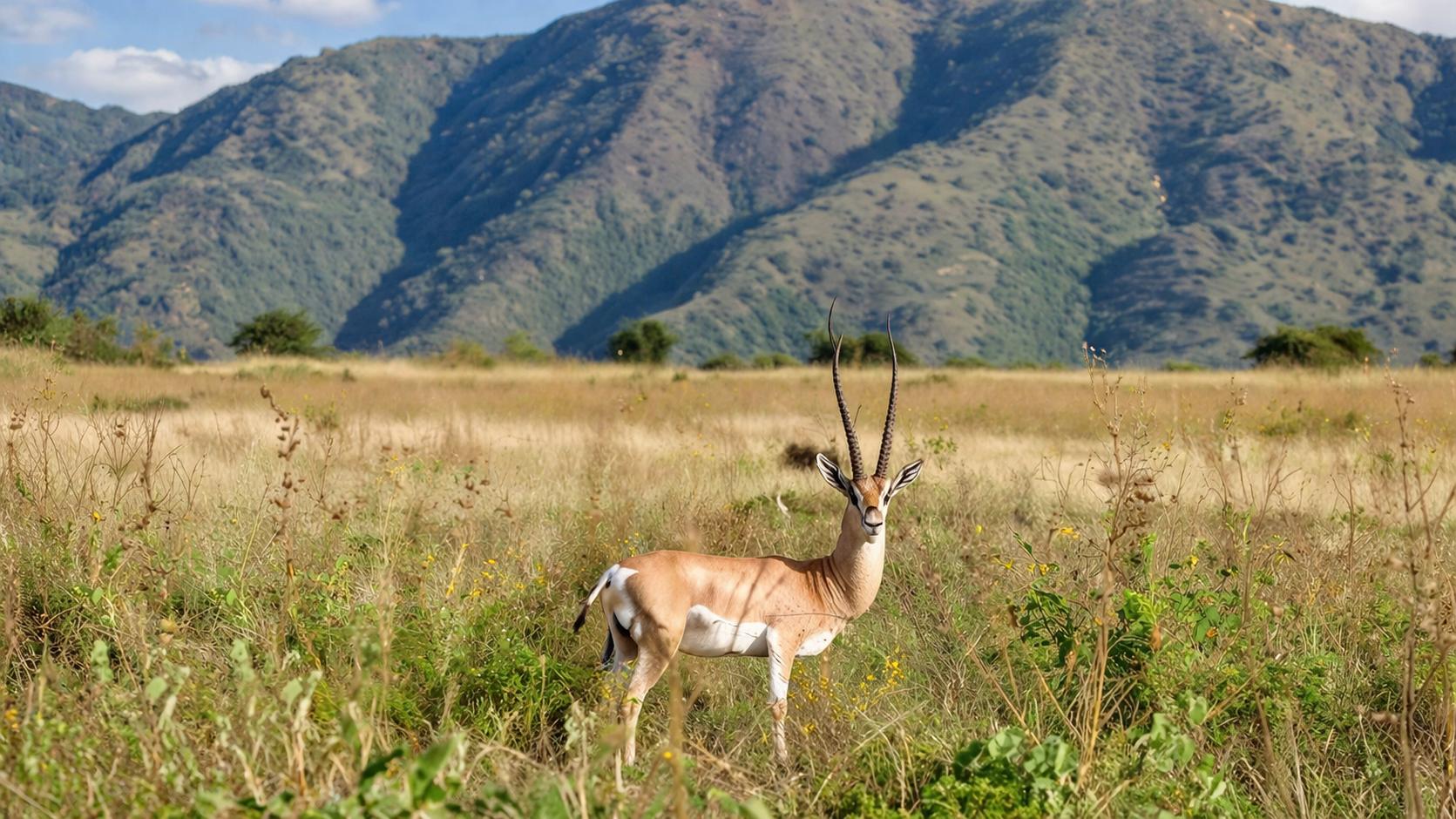
Murle Controlled Hunting Area

Murulle Controlled Hunting Area

The Murulle Controlled Hunting Area is a unique location in the Omo Valley of Southern Ethiopia, renowned for its rich biodiversity.

  1. Location and Geography
  • Location: Murulle is situated in the South Omo Zone, bordering the Dasenech and Nyangatom districts (woredas).
  • Landscape: The area is close to the Omo National Park and features vast grasslands and riverine forests along the Omo River.
  1. What is a Controlled Hunting Area?

This area is designated as “Controlled Hunting” to prevent illegal, random hunting and to generate revenue through scientifically managed permits for specific wildlife.

  • Conservation: The Wildlife Conservation Authority strictly monitors the area to ensure animal populations do not decline.
  • Foreign Exchange: Licensed hunting generates significant foreign currency for both the region and the country.
  1. Wildlife Found in the Area

Murulle is home to numerous mammal and bird species, including:

  • Kudu: Particularly the Greater Kudu, which is frequently sighted.
  • Buffalo: Commonly found near the Omo River.
  • Warthogs and various species of Zebras.
  • Lions and Leopards: Present in the area, though hunting them is extremely restricted.
  • Birds: Studies show over 300 bird species inhabit the region.
  1. Socio-Economic Impact
  • Local Community: A percentage of the hunting revenue is allocated to local development projects, such as health centers, schools, and clean water access.
  • Tourism: Beyond hunting, it is an ideal spot for “Photo Safaris.” Lodges along the Omo River (e.g., Murulle Lodge) provide services for visitors.
  1. Current Status and Threats

Despite being a major attraction, the area faces several challenges:

  • Poaching: Illegal hunting without permits.
  • Expansion of Livestock: Conflict between the community’s need for grazing land and wildlife habitats.
  • Settlement Expansion: Human settlements moving closer to the protected zones.
  1. Travel Preparations
  • Transportation: The roads are difficult; a 4WD (four-wheel drive) vehicle is essential.
  • Clothing: The weather is very hot. Bring light cotton clothes, a hat, and sunscreen.
  • Health: The area is a malaria zone. It is important to take malaria prophylaxis and use mosquito nets.
  • Permits: A permit from the Wildlife Development and Conservation Authority is required for hunting. For general visits, you can pay the required fees at various checkpoints.

Travel Itinerary (Starting from Addis Ababa)

This plan is designed for those traveling by car or flying to Arba Minch before continuing by road.

  • Day 1: Addis Ababa — Arba Minch
    • Morning: Depart Addis Ababa (via Butajira or Hosanna).
    • Afternoon: Arrive in Arba Minch and rest.
    • Evening: Stay at one of the lodges in Arba Minch.
  • Day 2: Arba Minch — Jinka — Turmi
    • Morning: Depart Arba Minch via Konso toward Jinka or directly to Turmi.
    • Afternoon: Arrive in Turmi, the home of the Hamer people and the main gateway to Murulle.
    • Evening: Overnight in Turmi.
  • Day 3: Turmi — Murulle
    • Morning: Drive from Turmi to Murulle (4×4 required due to rugged terrain).
    • Afternoon: Visit the Omo River and view wildlife around the Murulle Lodge area.
    • Evening: Overnight at Murulle Lodge or nearby campsites.
  • Day 4: Murulle and Karo Community Visit
    • Morning: Morning walk in the Murulle Controlled Hunting Area to view birds and wildlife.
    • Afternoon: Visit the nearby Karo community villages (Dupa or Kolcho), famous for their body-painting art.
    • Evening: Return to Turmi for the night.
  • Day 5: Turmi — Arba Minch — Addis Ababa
    • Morning: Begin the return journey.
    • Note: If traveling by air, you can fly back to Addis Ababa from Jinka or Arba Minch.