
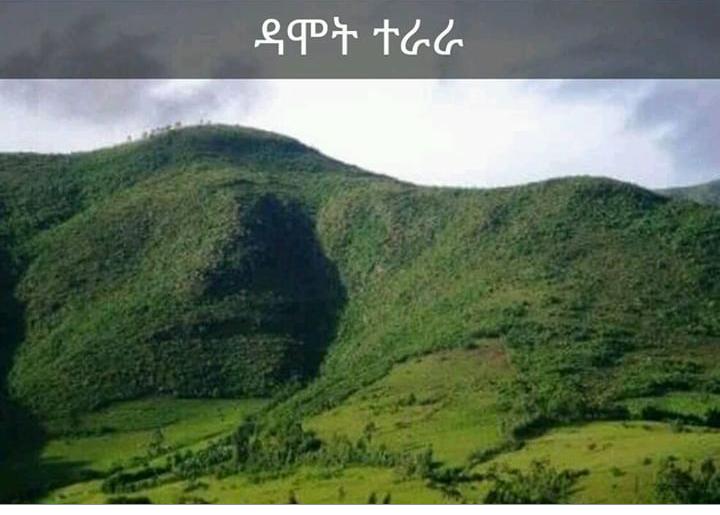
Mount Damota
Damota Mountain is the symbol, source of pride and natural beauty of the Wolaita Zone. This mountain has deep historical and cultural significance for the people of Wolaita beyond its geographical significance.”
Here is a detailed explanation of Damota Mountain:
Location and Elevation
- Location: The Mountain is located north of the town of Sodo in Wolaita, which is located at the foot of the mountain.
- Elevation: Damota is 2,900 meters above sea level, making it the highest mountain in the area.
Natural Views:
The mountain is called the “Roof of Wolayta” because it is the highest point in Wolayta. From the top of the mountain, you can see:
- The entire city of Sodo,
- Lakes Abaya and Chamo in the distance,
- The surrounding mountains of Gamo, Kembata, and Sidama are visible.
Historical and Cultural Value
- Natural Fortress: In ancient times, the Wolaita kings and people used it as a defense against invaders and as a strategic retreat.
- Spiritual Value: In ancient times, various cultural and religious ceremonies were held there, and today it is still used for religious festivals and prayers.
Natural Resources and Biodiversity
- Water Source: Damota is the main source of clean drinking water for Sodo city and surrounding districts. Several springs that originate from the mountain flow into the lower part.
- Flora and Fauna: Due to its dense forest, it is a refuge for a variety of indigenous plants, birds and small wild animals.
Tourism and Sports
- Hiking: It is very suitable for mountain climbing, and it can take 2 to 3 hours to reach the peak.
- Paragliding: International athletes occasionally use it for flying sports.
Useful Information
- Best Time: October to February (summer season) is the best time to climb the mountain.
- What should I wear? The weather on the mountain is cold and windy, so bring warm clothes (jacket/sweater) and sturdy hiking shoes.
- Guide: A local guide who is knowledgeable about the local history or from the city’s tourism department will make the trip more meaningful.
- Photography: Don’t forget your camera to capture beautiful sunrises or sunsets.
Itinerary (Damota and Surrounding Areas)
This itinerary focuses on Damota and includes other nearby locations.
Day 1: Addis Ababa to Wolayta Sodo
- Travel: Start the journey at 7:00 AM (Butajira route is recommended).
- Afternoon: Arrive in Sodo town and check into a hotel.
- Evening: Enjoy the evening in Sodo town and taste the traditional Wolayta food “Bachor”.
Day 2: Damota Mountain
- Morning (2:00 AM): Drive to the base of Damota Mountain. Then start hiking. Hiking up the mountain is very good for health and sight seeing.
- Morning: Visit the top of the mountain and enjoy the panoramic views.
- Afternoon: Visit the Moche Borago Cave at the base of the mountain. See the footprints of ancient people.
- Evening: Return to Sodo town and rest.
Day 3: Return; Return to Addis Ababa via Butajira or Hawassa route.