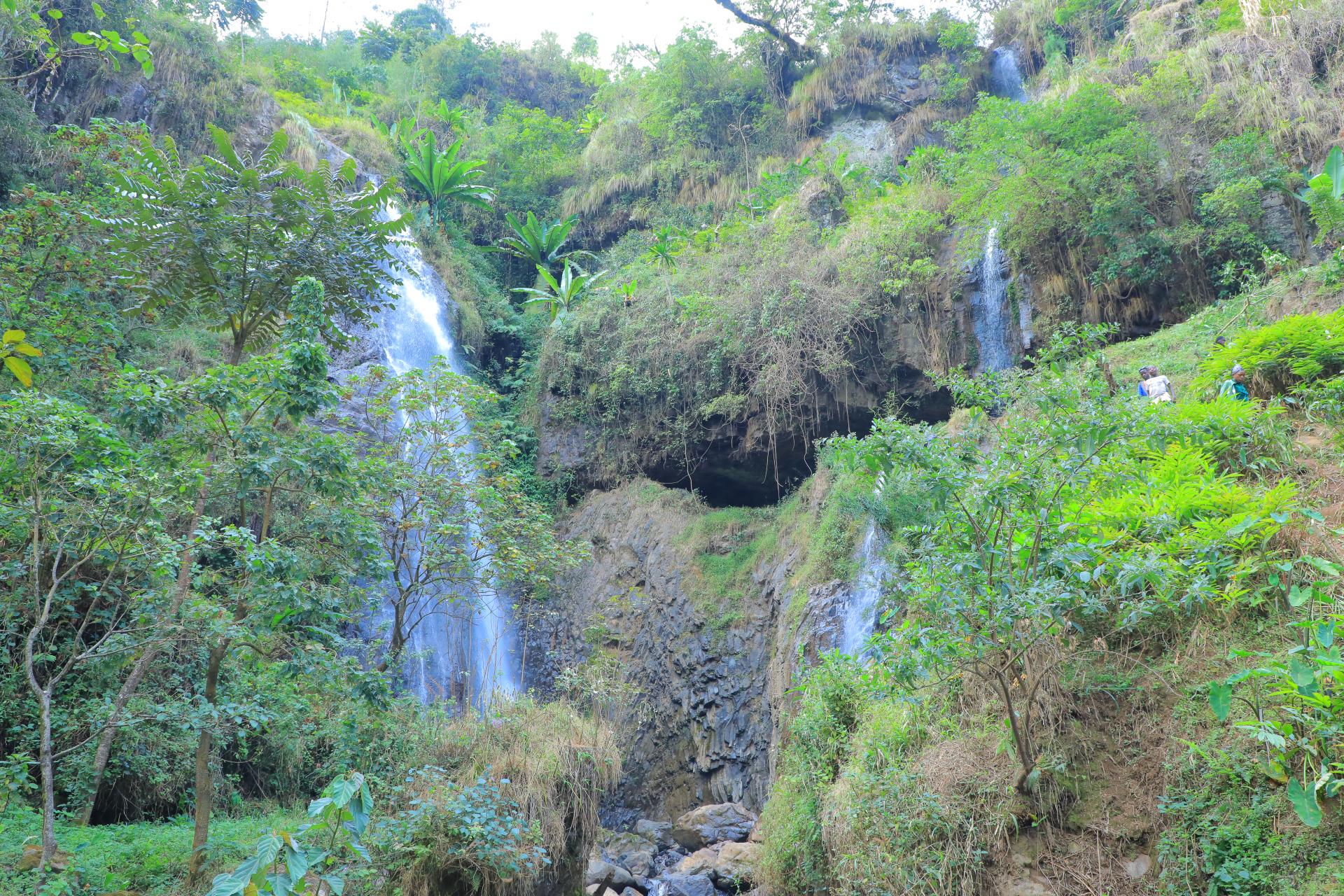
Toba Turmo Cave & twin Waterfall

An Overview of Gofa Zone

Gofa Zone is an administrative region within the South Ethiopia Regional State. It is widely known for its breathtaking landscapes, rich cultural heritage, and a deeply resilient, hardworking community. The zone’s capital is Sawla. Previously part of the Southern Nations, Nationalities, and Peoples’ Region (SNNPR), Gofa has recently been reorganized under the newly formed South Ethiopia Region.

Here is a detailed breakdown of the zone’s profile:

1. Geography and Climate

  • Geographical Boundaries: Gofa Zone is located in southwestern Ethiopia. It shares borders with Dawro Zone and Konta Zone to the north, Gamo Zone and Dawro Zone to the east, South Omo Zone and Gamo Zone to the south, and Basketo Zone and South Omo Zone to the west.
  • Topography: The landscape is highly diverse and ruggedly beautiful. It ranges from high-altitude mountain chains rising up to 4,000 meters—such as the Weyla and Alba Zoma ranges—down to lowland basins at 700 meters near the Omo River Valley.
  • Climate: The zone blends three distinct agro-ecological climates: Kolla (hot lowlands), Weyna Dega (temperate highlands), and Dega (cool highlands). This environmental diversity creates a welcoming habitat for various plant and animal species.
  • Water Resources: The region features several perennial rivers that flow year-round, including the Omo, Maze, Ergino, and Zenti

2. Administrative Structure

Gofa Zone is organized into seven (7) rural districts (Weredas) and five (5) urban administrations:

  • Rural Weredas: Demba Gofa, Geze Gofa, Zala, Melo Koza, Melo Gada, Uba Debre Tsehay, and Oyda.
  • Urban Administrations: Sawla (the zonal capital), Laha, Beto, Galma, and Bulki Town.

3. Society and Culture

  • Population: The Gofa and Oyda ethnic groups are the primary inhabitants of the zone. They speak Gofanya and Oydinya, which belong to the Omotic language family. The community holds deep-rooted social values, and the zone has a relatively high population density.
  • Way of Life: The community maintains strong traditions of mutual support, communal solidarity, and peaceful coexistence.
  • The New Year Celebrations (Gaze Masqala & Yoo Masqala):
    • Significance: Gaze Masqala (for the Gofa) and Yoo Masqala (for the Oyda) represent the grandest traditional festivals of the year, marking the arrival of the New Year. In the local languages, “Gaze” means light or peace, while “Masho” means torch. The festival celebrates the transition from the dark, difficult rainy season of hunger to a period of light, harvest, and abundance. It brings together the entire community across all social backgrounds.
    • Timing: The festival is typically celebrated in late June or early July. This is when the landscape turns green, crops like maize begin to mature, and the main agricultural season arrives.
    • Key Highlights:
      • Lighting the Torches: On the eve of the festival, youth and elders light traditional torches, dancing joyfully while chanting “Gaze Masho! Gaze Masho!”
      • Blessings and Forgiveness: Community elders offer prayers of gratitude and grant blessings for the upcoming year. It is a sacred time for reconciliation and renewing social bonds.
      • Traditional Dances: Vibrant cultural performances, most notably the unique traditional dance known as “Zaye,” are performed with great energy.

Traditional Gofa Cuisine

Gofa’s traditional dishes rely heavily on Enset (false banana), maize, and various legumes, making them highly nutritious and flavorful:

  • Shendera / Dhote: A delicious traditional porridge made from finely crumbled maize flour, prepared with clarified butter (qibe) and local spices.
  • Uketha: A traditional flatbread baked from a blended mixture of maize, teff, and sorghum flour.
  • Hiciqqoca: A hearty dish prepared by mixing pieces of kocho (unfermented enset bread) with roasted or cooked meat.
  • Sulsso: Fresh beef cut into thick cubes (gorad-gorad), heavily seasoned with local spices and melted spiced butter.
  • Baacira: A traditional dish made of fresh cottage cheese (ayib) mixed with butter, spices, and minced garlic.
  • Boye Hotolssa: Boiled Boye (taro root) mashed and seasoned with spices, berbere, and butter.
  • Koose: A smooth, delicate traditional dish prepared from high-quality bula (the finest extract of the enset plant).
  • Qinisha Ganzilla: A massive flatbread baked from a combination of pea, wheat, and maize flour. It is traditionally served on a large communal platter (gebeta) to feed large groups of people during gatherings.

4. Economy and Livelihood

  • Agriculture: Agriculture is the backbone of the economy. Most families rely on mixed farming, combining crop cultivation with livestock rearing.
  • Staple Crops: Maize, teff, enset, sweet potatoes, boye (taro), and various garden vegetables are widely grown. Enset serves as the critical food security crop for the community.
  • Cash Crops: Coffee, fruits, honey, and a variety of spices serve as vital sources of income, significantly boosting the livelihood of local farmers.

5. Tourism Destinations

Natural Attractions

  • Gore Gojo Seli Cave (Hom’o) and Zigo Waterfall (Zigo Soso): This destination combines an ancient natural cave with a spectacular waterfall. The Gore Gojo Seli cave features stunning, millennia-old natural rock formations (stalactites and stalagmites).
  • Mount Sa’a Gula Zhawsha: Reflecting Gofa’s rugged highland topography, this majestic mountain stands as one of the zone’s grandest natural landmarks, offering sweeping panoramic views of the region.
  • Toba Turmo Cave and Mentia Waterfall: Another pair of natural wonders, the Toba Turmo cave possesses historical and geological significance, featuring a vast interior that is highly accessible for visitors, complemented by the nearby Mentia waterfall.

Historical and Cultural Monuments

  • Bulki Debre Genet Medhane Alem Church: Located in Bulki, one of the oldest municipal towns in Gofa Zone, this church stands as one of the region’s most ancient and historically significant Ethiopian Orthodox Tewahedo sites.
  • Gragn Mohammed’s Standing Stone (Megalithic Stele): This is one of the mysterious megalithic steles found across southern Ethiopia. According to local folklore, this standing stone is linked to the 16th-century campaigns of Imam Ahmad ibn Ibrahim al-Ghazi (popularly known as Gragn Mohammed).

In summary, Gofa Zone is an area endowed with abundant natural gifts, captivating landscapes, an exceptionally industrious population, and immense development potential, particularly within the sectors of agriculture and eco-tourism.

Natural Tourist Destination

Historical & cultural Tourist Destination