
Carbon Project Forest
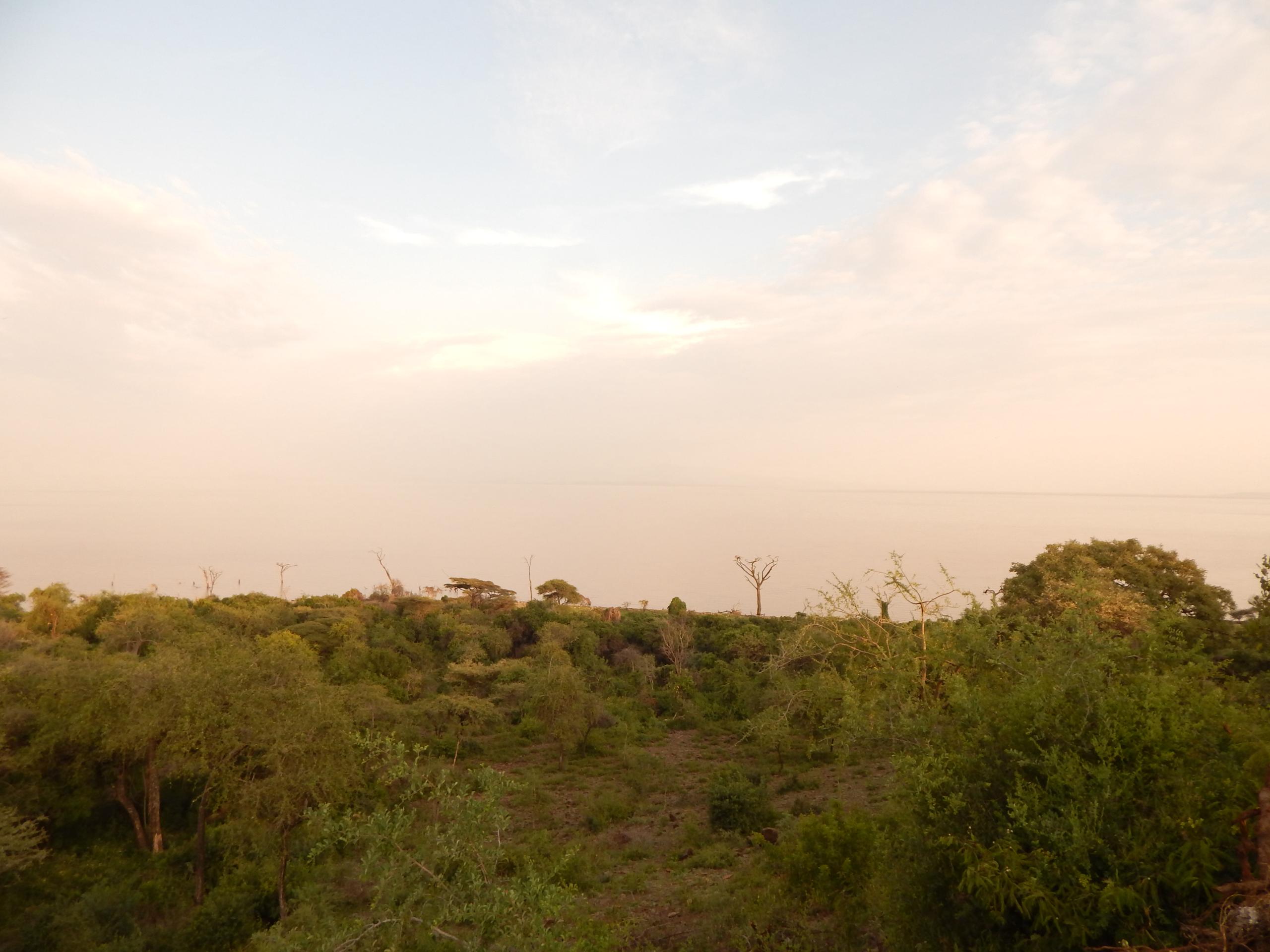
The Humbo Nature Restoration Project in Welayta Zone is a pioneering environmental conservation project in Africa, funded by the World Bank, World Vision and the Ethiopian Government.
Detailed Project Description:
Project Objectives
- Forest Restoration: (Natural Regeneration Technique): Instead of planting new seedlings, the forest is allowed to regenerate itself rapidly by nurturing existing roots and seeds in the soil.
- Climate Change Mitigation: – Trees absorb carbon dioxide from the atmosphere, thereby reducing climate change.
- Community Benefits: – Community Development Associations benefit from the carbon credits generated by forest conservation.
Special Technique (FMRNR)
This project has been successful through a method called FMNR (Farmer Managed Natural Regeneration).
- Instead of planting new seedlings, the forest was allowed to regenerate itself by caring for the seeds and roots that were dormant in the trunk, pruning and protecting the branches. This helped the trees adapt to the local soil and grow faster.
Carbon Credit
- The project is internationally recognized and estimates the amount of carbon sequestered in the forest.
- The income from these carbon credits goes directly to the forest conservation cooperatives. The community uses this money to build schools, health centers and other development projects.
Key Benefits
- Erosion Prevention: It has eliminated the risk of soil erosion and flooding that used to occur in the area.
- Restoration: It has brought back lost wildlife and birds (biodiversity).
- Water Source Restoration: As the forest grows, springs that were dried up due to deforestation have started flowing again.
Benefits of Visiting
- This place serves as a great “outdoor laboratory” for students, researchers, and environmentalists.
- It provides a great lesson on how the local community can take ownership of the forest and live in harmony with nature.
Overall, the Hambo Carbon Project is a great work that demonstrates the truth that “if we protect nature, it will protect us.”
Tips for Visitors
- When is the best time to go? Although the forest is always green, the route is best traveled from October to May.
- What should you bring? * Hiking shoes (because it is mountainous).
- Camera (for bird and nature photography).
- Sun hat and water.
- Permit: To visit the forest project in detail and get an explanation, it is important to contact the Wolaita Zone Tourism Department or the Humbo Woreda Cultural Tourism and Sports Office in advance for complete information.
Key Benefits
- Erosion Prevention: It has eliminated the risk of soil erosion and flooding that used to occur in the area.
- Restoration: It has brought back lost wildlife (biodiversity).
- Water Source Restoration: As the forest grows, springs that were dried up due to deforestation have started flowing again.
Benefits of Visiting
- This place serves as a great “outdoor laboratory” for students, researchers, and environmentalists.
- It provides a great lesson on how the local community can take ownership of the forest and live in harmony with nature.
Overall, the Hambo Carbon Project is a great work that demonstrates the truth that “if we protect nature, it will protect us.”
Tips for Visitors
- When is the best time to go? Although the forest is always green, the route is most suitable for hiking from October to May.
- What to bring? * Hiking shoes (because it is mountainous).
- Camera (for bird and nature photography).
- Sun hat and water.
- Permit: To visit the forest project in detail and get an explanation, it is advisable to contact the Wolaita Zone Tourism Department or the Humbo Woreda Cultural Tourism and Sports Office in advance for complete information.
Tips for Visitors
- When is the best time to go? Although the forest is always green, the route is most suitable for hiking from October to May.
- What to bring? * Hiking shoes (because it is mountainous).
- Camera (for bird and nature photography).
- Sun hat and water.
- Permit: To visit the forest project in detail and get an explanation, it is advisable to contact the Wolaita Zone Tourism Department or the Humbo Woreda Cultural Tourism and Sports Office in advance for complete information.
Benefits of Visiting
- This place serves as a great “outdoor laboratory” for students, researchers, and environmentalists.
- It provides a great lesson on how the local community can take ownership of the forest and live in harmony with nature.
Overall, the Hambo Carbon Project is a great work that demonstrates the truth that “if we protect nature, it will protect us.”
Tips for Visitors
- When is the best time to go? Although the forest is always green, the route is most suitable for hiking from October to May.
- What to bring? * Hiking shoes (because it is mountainous).
- Camera (for bird and nature photography).
- Sun hat and water.
- Permit: To visit the forest project in detail and get an explanation, it is advisable to contact the Wolaita Zone Tourism Department or the Humbo Woreda Cultural Tourism and Sports Office in advance for complete information.
Itinerary (from Addis Ababa)
This trip is very useful for naturalists, students and environmentalists.
Day 1: Addis Ababa to Wolayta Sodo trip
- Morning: You can travel by Addis Ababa – Hosanna – Sodo or Addis Ababa – Shashemene – Sodo route (takes 6-8 hours).
- Accommodation: Overnight in Sodo town (e.g. Levi Hotel, Tourist Hotel or other option).
Day 2: Trip to Humbo Carbon Forest
- Morning: Travel 58 km from Sodo town to the project site.
- Morning: * Forest walk.
- Visit the Forest Conservation Cooperative / Humbo Cultural Tourism and Sports Office to get an explanation about the Carbon Project.
- Admire the stunning mountain scenery in the area.
- Afternoon: Return to Sodo for a traditional meal and a break in the city.
Depart from Sodo on the morning of the 3rd and return directly to Addis Ababa.