
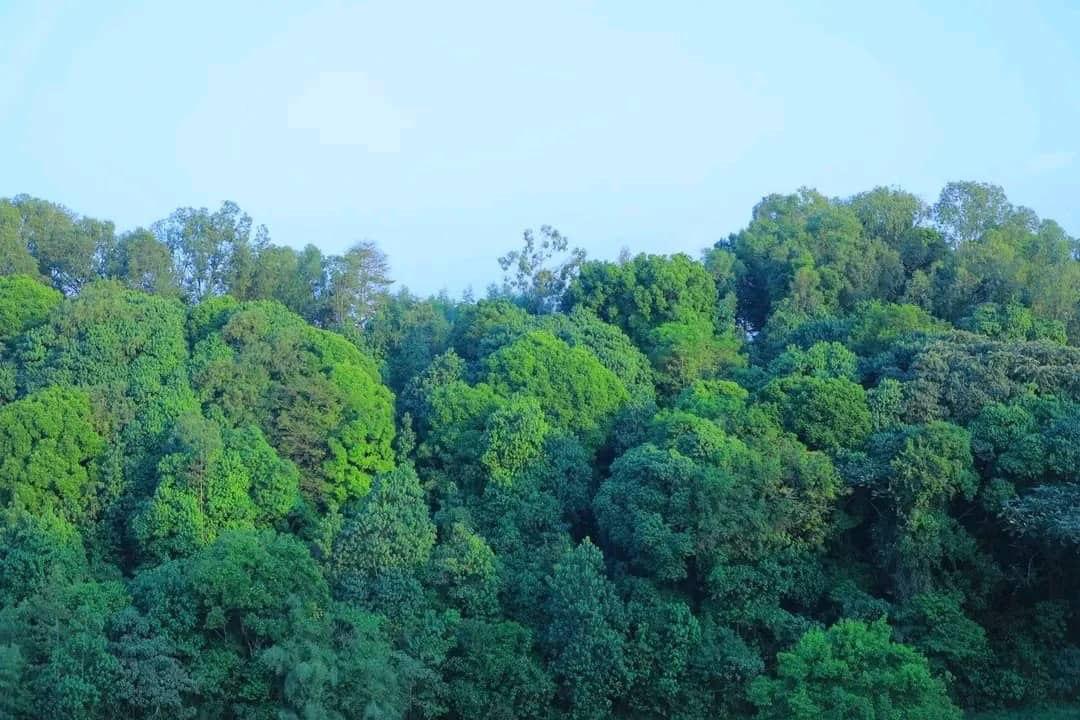
Doko Forest and Sacred Grove
The Doko Kati Forest is a unique and captivating protected natural forest located in Wada Balansa Kebele, Laska Zuria Woreda, in the Basketo Zone. This site is a hallmark of the Basketo people’s forest conservation values and cultural traditions.
- Location and Conservation Status
- Location: Wada Balansa Kebele, Basketo Zone (within the current residential area of the Goshanaa Kati).
- Conservation Status: The forest is a sacred site maintained under the strict protection of the Katis (tribal leaders) and the local community.
- Natural Content and Biodiversity
- Flora: The forest serves as a habitat for ancient indigenous trees such as Zigba (Podocarpus), Warka (Ficus), Bisana, Doqma, Blackwood, Wanza (Cordia africana), and Shola.
- Historical Value: Some of these trees were planted by ancient Kati ancestors, making the forest a living testament to the Basketo people’s culture of forest preservation.
- Historical and Cultural Significance
- Forest Conservation Culture: The forest is maintained by the current Kati, following the footsteps of their ancestors. This positive practice has played a major role in developing a culture of forest conservation within the local community.
- Sacred Site: The performance of traditional beliefs and thanksgiving festivals within the forest has established a cultural value linked directly to forest conservation.
- Tourism Potential
- Spiritual Retreat: The forest offers a peaceful destination for visitors to recover from work fatigue, refresh their spirits, and reconnect with nature.
- Educational Tourism: Highly beneficial for researchers and students interested in understanding indigenous knowledge and forest conservation strategies.
Half-Day Travel Itinerary
This itinerary is designed for visitors who wish to explore the sacred Doko Kati forest and its natural beauty in a short period.
- Morning (08:00 – 09:30): Travel from Laska town to Wada Balansa Kebele.
- Late Morning (09:30 – 11:30): Visit the Doko Kati Forest. Observe the ancient trees, receive explanations regarding the Kati’s forest conservation culture, and refresh your spirit in the tranquil forest atmosphere.
- Daytime (11:30 – 12:30): A short rest period and a light picnic snack near the forest.
- Lunch (12:30 – 13:30): Return to Laska town to conclude the trip.
Tips for Visitors
- Cultural Respect: As the forest is a sacred site, visitors are encouraged to show the utmost cultural respect and caution while on the premises.
- Guided Visit: Since the site is under the supervision of cultural leaders, it is recommended to arrange a guide by coordinating with the local community or the Culture Office.
- Nature Conservation: As the forest is protected as a community asset, please visit responsibly by ensuring that no trace (trash) is left behind.