
The Caves of Gardula and the Martyrs of the Italian Occupation
Mount Gardula and its historic caves hold a prominent place in Ethiopian history, particularly as sites of immense bravery and martyrdom during the Fascist Italian occupation (1935–1941 G.C. / 1928–1933 E.C.).
- Location of Mount Gardula and Its Caves
- Location: Gardula is situated within the Dirashe Special Wereda (Gidole). The area is characterized by high mountains and dense forests, providing a naturally defensible landscape.
- The Caves: These natural caves are vast enough to shelter hundreds of people and store significant food supplies. During the occupation, they served as primary fortresses and sanctuaries for Ethiopian patriots (Arbegnoch).
- The Struggle During the Italian Occupation
When Italy invaded Ethiopia, the patriots of Gardula and military leaders from other regions transformed this area into a center of resistance.
- Patriot Fortress: People from Dirashe, Gamo, Konso, and surrounding areas fortified Mount Gardula to launch fierce counter-attacks against Fascist forces. The mountain’s strategic elevation allowed patriots to monitor and control enemy movements.
- Enemy Tactics: Unable to seize the mountain and caves through ground infantry alone, the Italian forces resorted to brutal methods, including aerial bombardment and the use of internationally banned chemical weapons, specifically Mustard Gas.
- The Martyrs and the Brutality of the Attack
A deeply tragic and heroic story of martyrdom unfolded within the Gardula caves:
- Poison Gas Attack: Failing to break the patriots’ defense, the enemy forces sprayed poison gas into the caves to eliminate the hidden patriots and their families, including women and children.
- Number of Martyrs: In this horrific chemical attack, hundreds of patriots and innocent civilians were suffocated and poisoned, perishing as martyrs inside the caves.
- The Heroes: Among the martyrs were prominent local clan leaders and military commanders sent by the central government. These heroes chose death over surrender, upholding the vow “I will not be ruled; for my country and my faith.”
- Historical Remembrance and Monuments
- Physical Remains: Until recently, skeletal remains of the martyrs and fragments of old weaponry could be found within the Gardula caves, serving as a haunting testimony to the sacrifices made.
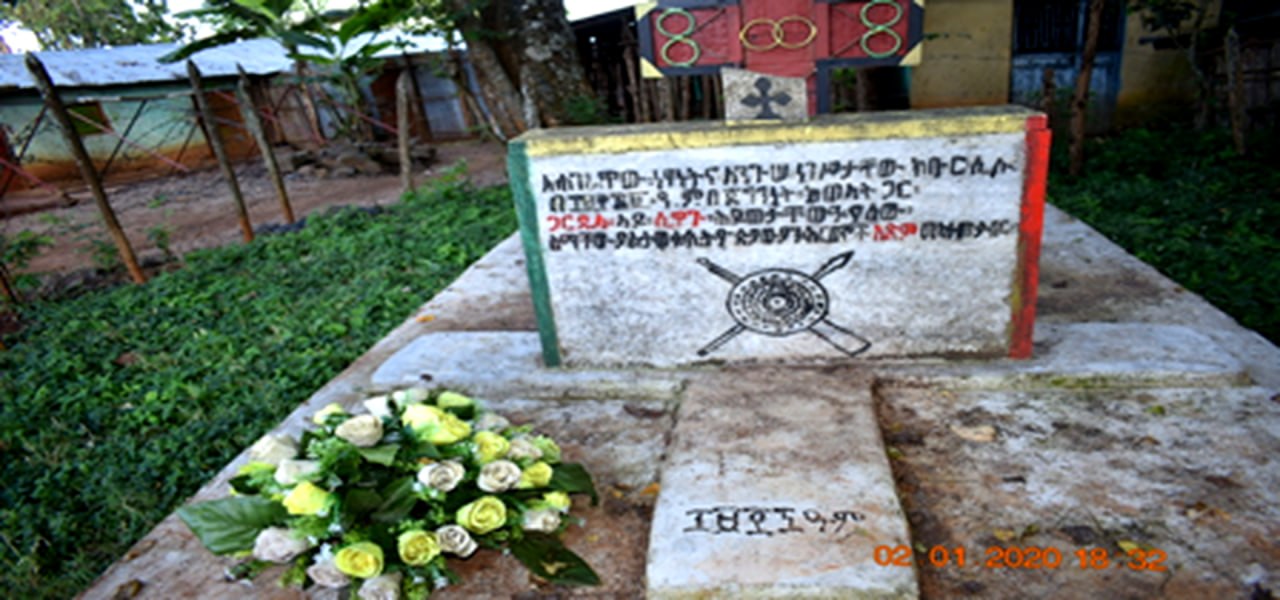
- Memorial Monuments: Monuments and historical markers have been erected in Gidole town and the surrounding areas to honor these martyrs. They are officially remembered every year on Yekatit 12 (Ethiopian Martyrs’ Day).
- Mount Gardula Today
Today, Gardula is emerging as a significant historical and tourist destination. Visitors can:
- Explore the historic caves that served as bunkers.
- Enjoy panoramic views from the summit, overlooking Lakes Abaya and Chamo and the beautiful Southern landscape.
- Appreciate the legendary heroism of the Dirashe people and experience the Filla music.
Traveler Tips
- Guides: It is essential to hire a local guide who understands the history and language to fully appreciate the significance of the sites.
- Clothing: Since Gidole is mountainous and can be cold, carry warm layers and sturdy hiking boots.
- Information Sources: For more detailed historical accounts, visit the local Culture and Tourism bureaus or consult historical archives available in the town.
Itinerary (Starting from Arba Minch)
Day 1: Journey to Gidole (Gardula)
- Travel from Arba Minch to Gidole, the administrative center of the Gardula area. The drive offers stunning mountain scenery.
- Check into your accommodation in Gidole.
- In the evening, sample the local traditional food and drink, “Cheka,” while chatting with local elders about the history of the resistance.
Day 2: Exploration of Historic Caves and Memorials
- Head to the mountainous areas of Gardula to visit the famous caves.
- Explore the specific caves used as fortresses by the patriots.
- Visit the memorial sites dedicated to the martyrs and hear their detailed stories from guides.
- Appreciate the panoramic viewpoint from the top of the mountain.
Day 3: Cultural Immersion and Return
- Witness a performance of “Filla,” the unique wind instrument and complex musical science of the Dirashe community.
- Observe the famous Stone Terracing (Tarka) and see how local farmers traditionally preserve the soil.
- Return to Arba Minch to conclude the trip.