
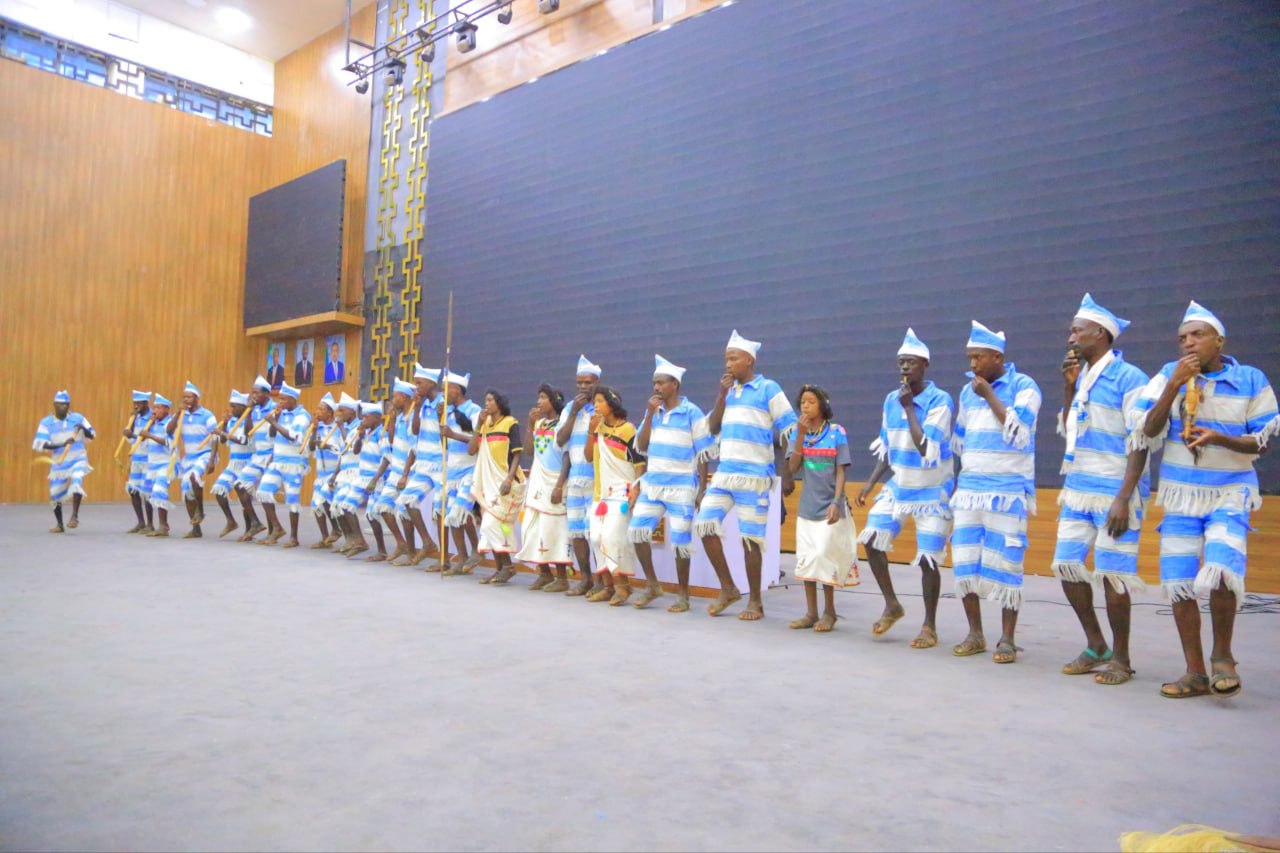
The Dirashe (Gardula) People and the Filla Music Science
The Dirashe people, located in the Gardula Zone of the South Ethiopia Regional State, are renowned for their work ethic, advanced agricultural techniques, and unique musical system. Their “Filla” wind instrument music and performance style have earned significant admiration from music researchers worldwide. Filla is often described as sharing characteristics with the jazz musical family.
- The Dirashe People and Social Structure
- Work Culture: The Dirashe operate on the principle that “work is dignity.” They are known as indigenous agricultural engineers, recognized for building intricate terraces known as Tarka and Potaya.
- The Polot System: This is the core of Dirashe social organization and division of labor. It is a democratic structure where youth, adults, and elders are organized into levels to perform communal tasks (Debo). Filla music is deeply intertwined with this Polot system.
- Filla: The Science of Music
Filla is not merely a musical instrument; it is an artistic achievement that requires precise acoustic preparation and mathematical accuracy.
- The Instruments: Filla instruments are crafted from bamboo. Each instrument can only produce a single, specific note. A complete set consists of 24 instruments of varying sizes.
- Hocketing Technique: A Filla ensemble typically consists of 24 people. Each person holds a flute/instrument that produces only one note. To create a melody, the members play their notes in rapid, precise sequence a complex combination known as “hocketing.”
- Connection to Work and Community
- Work Motivation: Young people play Filla music while working on the strenuous Tarka and Potaya terrace projects to alleviate fatigue and boost morale.
- Cultural Rituals: Filla plays a crucial role during heroism ceremonies, as well as during traditional celebrations and baptisms.
- Why is it called “The Science of Music”?
Because the music demands mental alertness, precise acoustic measurements, and perfect team synchronization, it is considered a scientific skill. If one person misses a note, the collective musical performance can be disrupted.
1-Day Itinerary (Starting from Gidole)
This itinerary is designed to explore Filla’s musical artistry and Dirashe culture during your stay in Gidole.
- Morning (07:30 – 11:00): Depart from Gidole town and head to the nearby rural kebeles (villages). Learn from local experts how Filla music is performed in groups and how the bamboo instruments are crafted. Experience the complexity of the music and the hocketing technique firsthand.
- Lunch (12:00 – 13:30): Rest and enjoy traditional food and local beverages in the village.
- Afternoon (14:00 – 17:00): Visit the terrace works (Tarka) that showcase the industrious nature of the Dirashe community. Conclude your trip by visiting the traditional market in Gidole town to purchase various handicrafts and cultural artifacts.
Traveler’s Tips
- Best Time to Visit: To experience the culture at its most vibrant, visit during the harvest season or during traditional festivals (such as Haisot Hirba).
- Guides: It is highly recommended to hire a local guide who speaks the Dirashe language to gain deep insight into the scientific analysis of the music.