
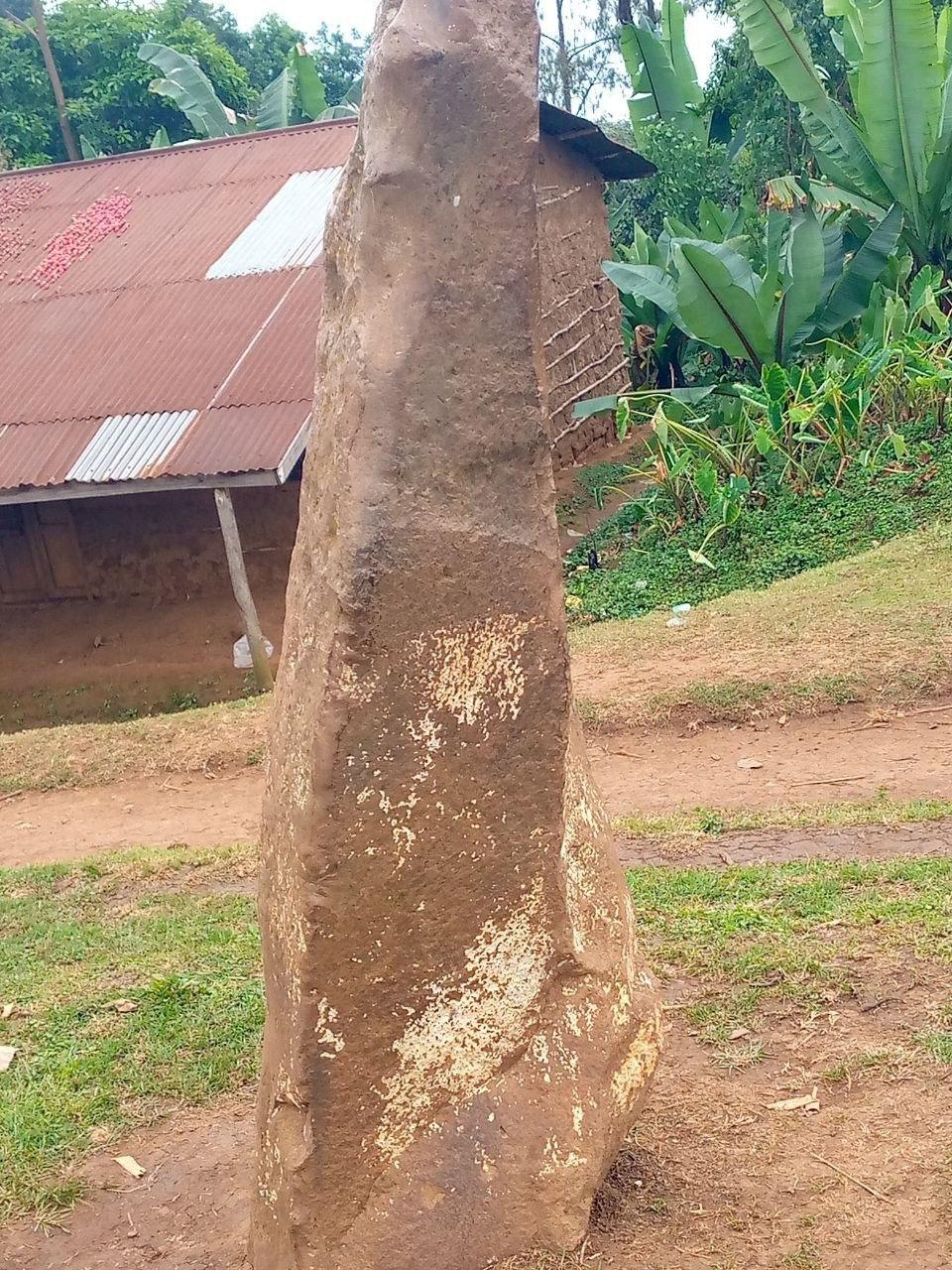
Gragn Mohammed Megalithic Stele
The Gragn Mohammed Stelae, located in Toba Kebele, Melo Koza District, Gofa Zone, is a megalithic monument of immense historical and archaeological value. This heritage site serves as a primary source for understanding the ancient civilization and history of the Gofa region.
- Historical Background and Naming
- Legendary Narrative: Local communities believe this stela is linked to the 16th-century military campaigns of Imam Ahmed ibn Ibrahim al-Ghazi (Gragn Mohammed), suggesting it was erected as a marker or a strategic control point.
- Historical Context: While local legend attributes it to the 16th century, researchers hypothesize that these megalithic monuments may predate the era of Gragn Mohammed, potentially representing an even older, distinct ancient civilization.
- Unique Features
- Structure: The stela is a monolithic structure, carved from a single piece of stone and standing tall and upright.
- Carvings: Similar stelae in the area feature engravings of human figures, weapons, or geometric shapes, which typically symbolize acts of heroism or social status.
- Craftsmanship: The precision of the carvings demonstrates the advanced skill the ancient community possessed in stone masonry and sculpting.
- Tourism Potential
This heritage site is tangible evidence that the Gofa Zone was home to long-standing, sophisticated civilizations. It has the potential to become a premier destination for history students, researchers, and cultural tourism enthusiasts. With proper preservation and promotion, it can contribute significantly to the local tourism economy.
Two-Day Travel Itinerary
Day 1: Travel from Sawla to Melo Koza
- Morning: Depart from Sawla city and travel to Melo Koza District, enjoying the natural landscapes of Gofa along the way.
- Midday: Arrive in Melo Laha town and check into local service establishments.
- Afternoon: Gain insights into local legends and oral histories through discussions with community elders.
Day 2: Exploration of the Gragn Mohammed Stela and Return
- Morning: Arrive at the site of the Gragn Mohammed Stelae. Spend time examining the monument, taking photographs, and reflecting on its historical significance.
- Midday: Explore nearby cultural and historical sites, sample traditional local foods, and observe the activities at the local market.
- Afternoon: Conclude the trip by returning to Sawla city.
Essential Tips
- Historical Insight: To make the visit more meaningful, having a basic understanding of 16th-century Ethiopian history is highly beneficial.
- Clothing: The area can be cool; ensure you pack warm and windproof clothing.
- Best Time to Visit: To experience the local culture deeply, it is recommended to visit during the “Gaze Masho” (Gofa New Year) festival, celebrated at the end of June.
- Tour Guide: Hiring a local professional guide is essential to ensure your safety and to obtain comprehensive historical information about the monument.