
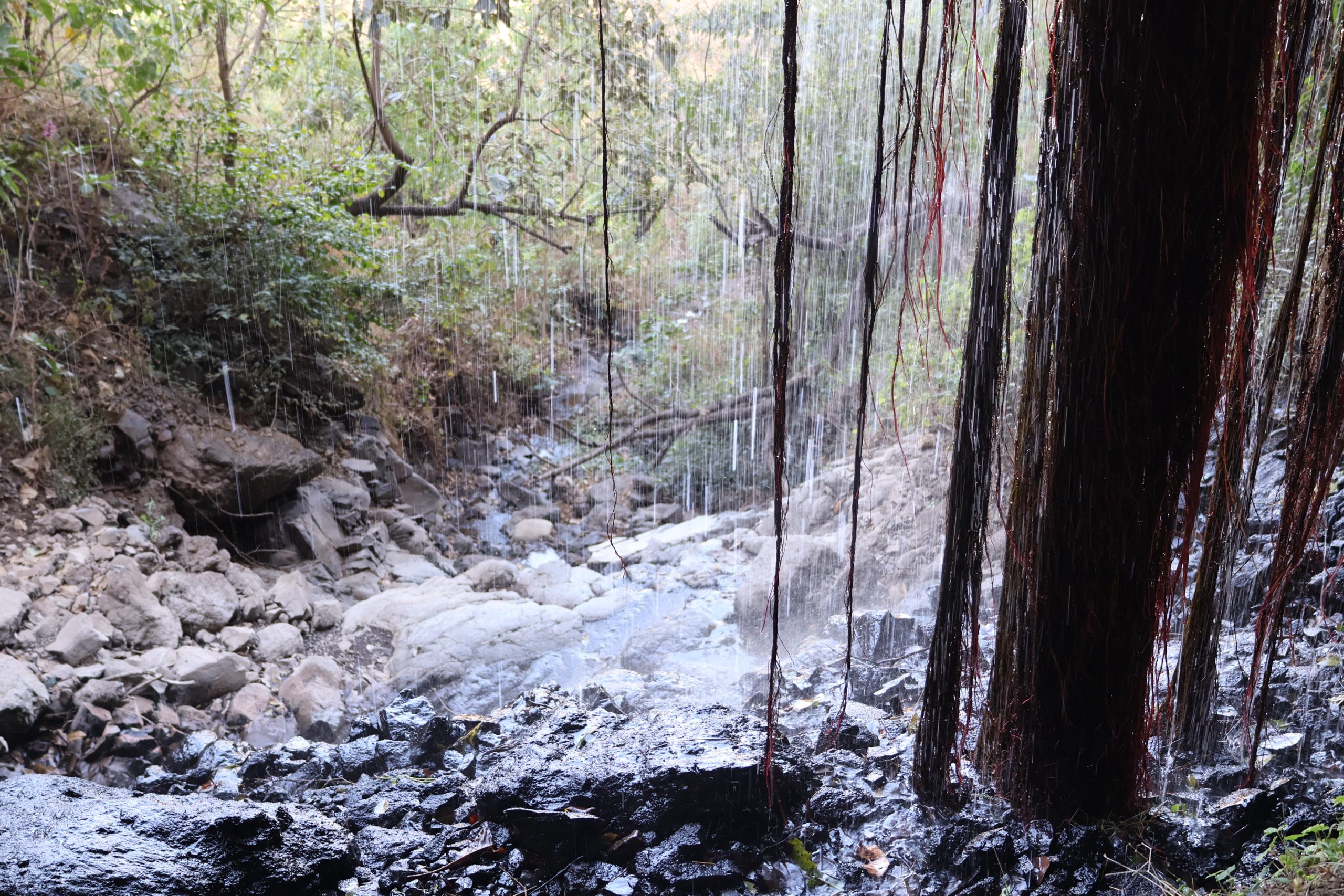
Mota Cave is one of the most stunning natural and historical sites in the Gamo Zone. In recent years, it has attracted significant international attention due to scientific research.
- Location
- Zone: Gamo Zone
- District: Boreda District
- Specific Area: Located within the rugged, mountainous landscape of the district; it has served as a refuge and shelter for the local community for centuries.
- Historical and Scientific Discovery
Following a major scientific study published in 2015, Mota Cave has gained high international fame:
- Skeleton Discovery: Human remains dating back 4,500 years were found in the cave.
- DNA Discovery: Scientists were able to sequence the full genome of this individual, which makes the discovery unique. It is the first time in history that ancient DNA from the African continent has been successfully extracted and sequenced.
- Significance: This study played a huge role in answering fundamental questions about human migration history and the origin of African lineages.
- Geographical Features
- Structure: The cave has spacious rocky chambers; inside, there are markings indicating it was once a human dwelling and rocks arranged in a way that suggests construction skills.
- Natural Protection: Surrounded by dense forest with a stable, cold climate, the cave has allowed archaeological artifacts and biological remains to remain intact for thousands of years.
- Cultural and Social Value
Beyond its scientific importance, the cave has deep historical meaning for the local community:
- War Refuge: In the past, during conflict or invasion, the cave served as a reliable fortress where local residents hid their families and properties.
- Spiritual Value: Many local residents associate the cave with various cultural legends and the spirits of their ancestors.
- Tourism Potential
Mota Cave is a preferred destination for:
- Historians and researchers
- Archaeology (excavation) enthusiasts
- Adventure travelers and nature lovers
Conclusion: Mota Cave is a great historical gift from the land of Gamo to the world, where human lineage history was rewritten. When planning to visit, it is recommended to obtain a permit and a guide from the local Cultural and Tourism Office.
Mota Cave Travel Itinerary
This itinerary is designed for a cave and nature tour from Arba Minch to the Boreda District.
- Morning (6:00 AM – 9:00 AM): Depart from Arba Minch early and travel to Boreda district. Admire the stunning Gamo mountain landscape and breathtaking natural views along the way.
- Late Morning (9:00 AM – 10:00 AM): Upon arriving in Boreda, meet with the Cultural and Tourism Office to obtain the necessary permit. Hire a local guide who knows the area well.
- Noon (10:00 AM – 1:30 PM): Start the beautiful hike through the dense forest from the vehicle parking area. After entering the cave, explore the spacious chambers, signs of ancient habitation, and arranged rocks.
- Afternoon (1:30 PM – 2:30 PM): Relax and have the packed lunch you brought in the quiet, peaceful natural forest outside the cave.
- Evening (2:30 PM – 5:30 PM): Conclude your historical tour, return to your vehicle, and begin the trip back to Arba Minch.
Prerequisites for the Trip
- Shoes: Sturdy, non-slip hiking boots are mandatory as most of the trip is on mountainous and rugged terrain.
- Clothing: It is cold inside the cave and the dense forest; wear a warm jacket and comfortable, full-sleeved clothing to protect against obstacles and forest plants.
- The interior of the cave is extremely dark; don’t forget to carry a strong flashlight or a headlamp with extra batteries.
- As the road to the site is uphill and rugged, using a 4WD vehicle is recommended to complete the journey without trouble.
- Since there are no restaurant or café services in the cave area, prepare sufficient drinking water, energy-giving dry foods, and a lunch pack in advance.
- As with any hike, carrying a small first aid kit containing band-aids, alcohol, and painkillers helps protect you from any unforeseen accidents.