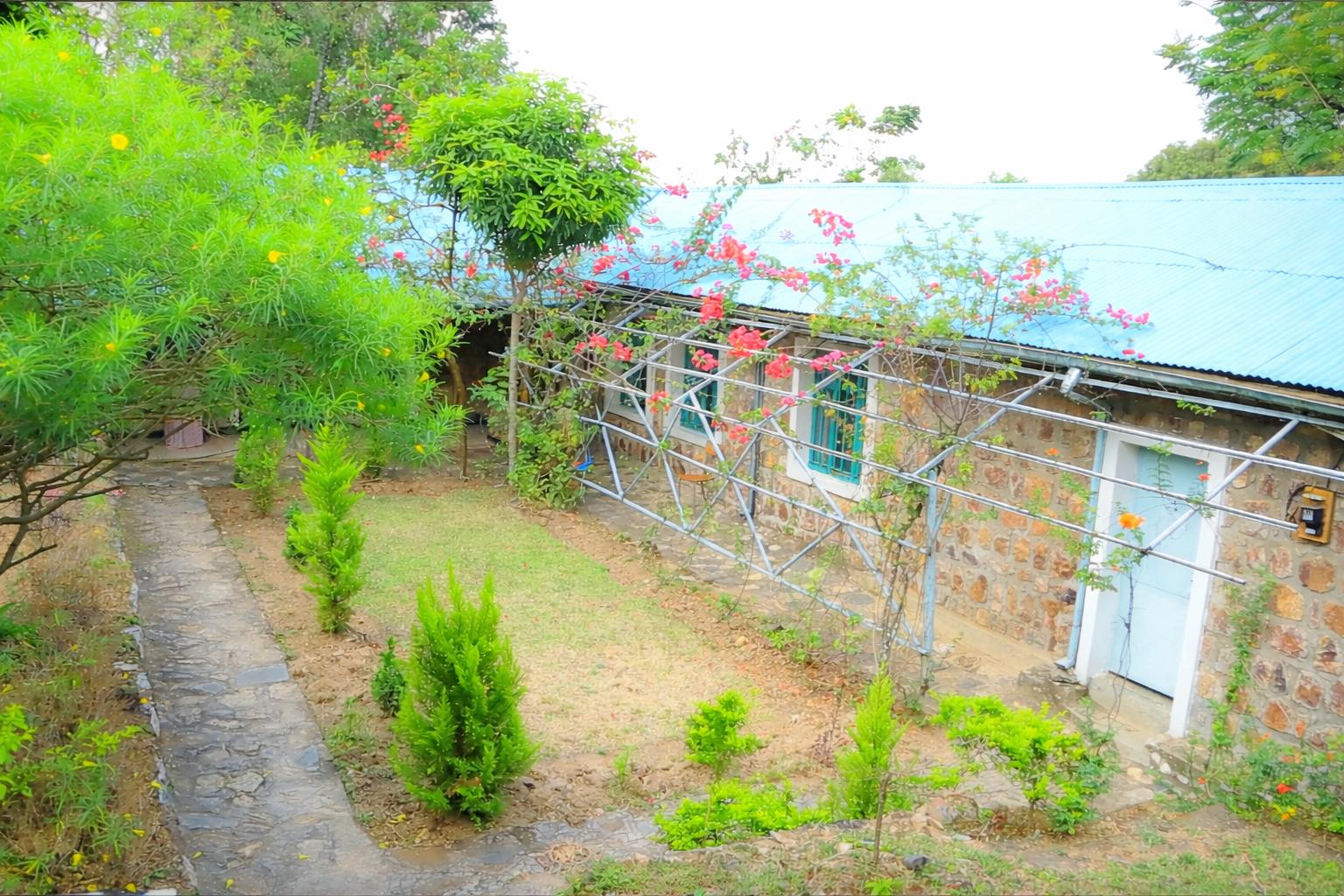
South Omo Museum and Research Center

South Omo Museum & Research Center

The South Omo Museum & Research Center is a major institution located in Jinka town that brings together the history, culture, and knowledge of all the South Omo ethnic groups, especially the Ari people, under one roof. This center is a key destination for understanding the diversity of Southern Ethiopia.

Here is a detailed explanation of the center:

  1. Location and Establishment
  • Location: The museum is located in Jinka, the capital of Ari Zone, on a small hill on the road to Mago National Park.
  • Purpose: It was established with the aim of preserving, studying, and promoting to the world the historical relics, lifestyles, and material culture of more than 16 ethnic groups in the South Omo Zone.
  1. Main sections of the museum

The museum contains several attractive sections, which are mainly divided into the following:

  • Photography and Film Section: There are old photographs taken in the area over the past century. These photos They show the changes in the ethnic groups’ past dress, diet, and home practices.
  • Ethnographic Gallery: * Traditional clothing: Clothing of various ethnic groups made of leather, animal products, and cotton.
    • Jewelry: Necklaces, wristbands, and anklets made of bronze, iron, wood, and beads.
    • Household items: Plates carved from clay and wood, water jugs, and grain mills.
    • Weapons: Ancient shields, spears, and knives used for various ceremonies.
  • Research Center and Library: A room where books, research papers, and audio recordings about the ethnic groups of South Omo are located. Researchers and students use them to obtain in-depth information.
  1. The Ari Ethnic Group in the Museum

As the Ari Zone is the location of the museum, the culture of the ethnic group is widely represented:

  • Handicrafts: The Ari women have a special skill in pottery and the men in metal Blacksmithing is described in detail.
  • Agricultural tools: Since the Ari people are well-known farmers, ancient tools used for land preparation and harvesting are on display.
  1. Special features of the museum
  • Traditional houses (Open-Air Museum): Outside the main building, houses of various ethnic groups are built in their traditional style. This allows visitors to enter and understand the layout and construction of the houses.
  • Landscape view: Since the museum is located on a hill, it is possible to see the lush mountains surrounding Jinka town and its surroundings from the premises.
  1. Useful information for visitors
  • Visiting hours: Usually open during working hours (2:30 AM – 11:30 AM).
  • Guides: There are professional guides in the museum who provide in-depth explanations about each object.
  • Useful: Before going to Mago National Park or Mursi villages Visiting this museum before you go will help you gain a better understanding of the society you are visiting.
  • Guide: There are professional guides who will explain the information in the museum in detail.
  1. Why should you visit?
  • Visiting this museum before you go to the rural villages of the Omo Valley (such as the Mursi or the Hamer), will give you a deeper “historical background” for the traditional practices and costumes you will see.

Half-Day Itinerary

Since the museum is located in the town of Jinka, it will not take you much time. You can combine this itinerary with other trips.

  • 03:00 (morning): Travel from the center of Jinka to the museum by rickshaw or on foot (it takes about 10 minutes by rickshaw).
  • 03:15 – 04:30 (morning): Visit the artifacts in the Main Gallery of the museum with a guide. Each Understanding ethnic identity and history.
  • 04:30 – 05:30 (morning): Visit the “Traditional Houses” (Open-Air Museum) located outside the building. See how each ethnic group builds their houses and their interior design.
  • 05:30 – 06:00 (morning): Admire the view of Jinka from the mountain while drinking Ethiopian coffee at the cafe in the museum grounds.
  • 06:30 (afternoon): Return to the city and stop to buy traditional handicrafts at the Jinka market.