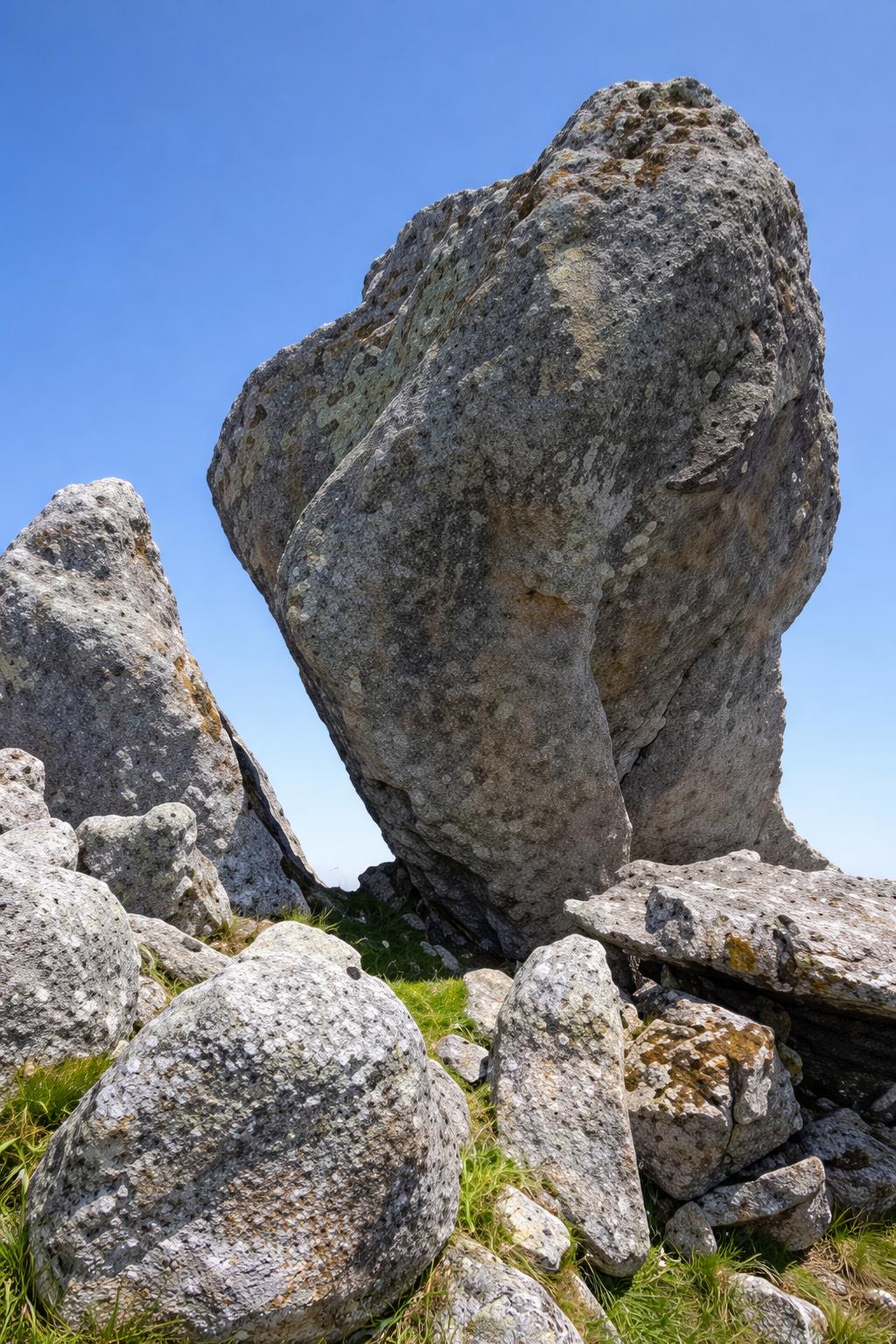
Mount Obox and the Natural Megaliths

Mount Obox and Natural Rocks

Mount Obox and Natural Rocks are among the most amazing and mysterious natural attractions in the Ari Zone. This place is a unique place that combines rocks that seem to have been carved by nature itself and a majestic mountain.

Here is a detailed explanation of Mount Obox and Natural Rocks:

  1. Mount Obox

Mount Obox is one of the highest points in the Ari Zone and has a unique geographical location.

  • Natural appearance: Although the mountain is covered with lush vegetation, the huge rocks seen in the middle give it a unique appearance.
  • Climate: Due to its high altitude, it has a cool and clean air. In the morning, when the mountain is covered in fog, it creates a very attractive natural image.
  • Strategic location: From the top of the mountain, you can see the Omo Valley and the vast farmlands of Ari in 360 degrees.
  1. Natural Standing Stones

This place is called “Natural Standing Stones” because of the huge stone formations that appear to be man-made but were formed by natural processes (wind and water erosion).

  • Position: The stones are tall and straight, seemingly reaching up to the sky. Some stones can be seen standing alone, while others form unique shapes in groups.
  • Mystery: When viewed from a distance, these stones appear to have been carved and placed by man. This gives the place a sense of wonder and mystery.
  • Geological view: From a scientific perspective, the stones were formed by centuries of erosion after a volcanic eruption.
  1. Cultural and Mythological Benefits
  • Local View: These rocks are not seen as ordinary rocks by the local community. They are considered to be manifestations of natural power, and they bring great respect to the place.
  • Related Stories: The rocks around Mount Obox have various legends related to the history of ancient ancestors and the protection of the area.
  1. Benefits for Visitors

Visiting this place provides the following opportunities:

  • For archaeology and geology enthusiasts: It is a unique laboratory for studying the structure of natural rocks and the origin of the earth.
  • For photographers: The shape of the rocks and the view from the mountain are very suitable for artistic works.
  • For Hiking: The journey to reach the rocks allows you to observe nature up close.
  1. Travel Tips
  • Season: The dry season (October to February) is the best time to see the rocks clearly and climb the mountain.
  • Guide: Having a local guide who will tell you the local stories will make your visit meaningful.
  • Shoes: Sturdy hiking shoes as the path is rocky and steep.
  • Clothing: A light jacket or windbreaker as the weather changes on the mountain.
  • Camera: Bring enough memory and batteries as the rock formations are very impressive.
  • Food and Water: Bring enough water and energy-giving snacks as there are no service facilities on the mountain.
  1. Best Time to Visit
  • October to February: The sky is clear and the view from the top of the mountain is very clear and attractive.
  • From late September: The area is green and flowers are in bloom, providing a special treat for nature lovers.

2-Day Itinerary (Sample Itinerary)

This itinerary is designed with Jinka, the capital of the zone, as the starting point is Jinka.

Day 1: Jinka to the foot of Mount Obox

  • Morning (02:30 – 04:00): Depart from Jinka town and head towards Mount Obox. The route passes through the Ari rural villages, making it a very scenic one.
  • Morning (04:30 – 06:30): Start hiking at the foot of the mountain. First visit the small boulders and take photos.
  • Afternoon (07:00 – 10:00): Spend time with the local communities at the foot of the mountain. Here you can taste traditional Ari hospitality and food (such as godere).
  • Evening: Overnight at a nearby lodge or back to Jinka.

Day 2: Climb the mountain and explore the large boulders

  • Morning (01:00 – 04:00): Start hiking to the top of Mount Obox. Getting up early helps to see the mist lifting off the rocks.
  • Morning (04:30 – 06:30): Visit the main and giant standing stones. These stones are many times taller than a person and can be seen standing alone.
  • Afternoon (07:30 – 09:30): Admire the panoramic view of the Omo Valley from the top of the mountain. Then descend back to Jinka.
  • Evening: Arrive in Jinka town.