
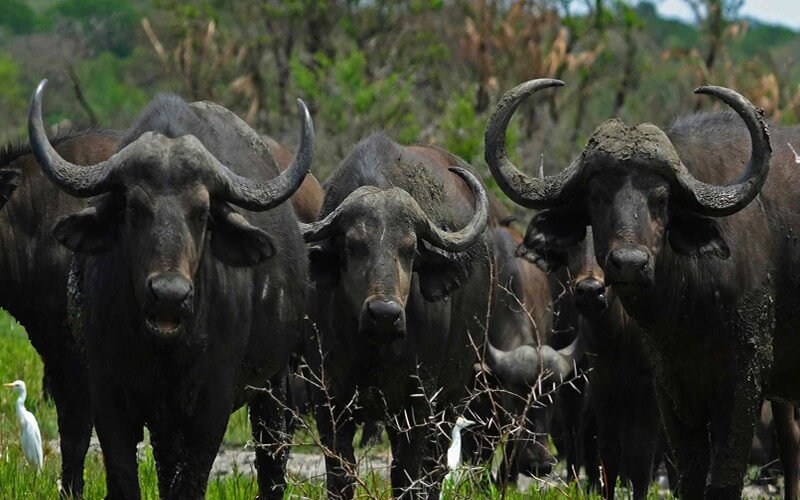
Omo National Park
Omo National Park is one of the oldest and largest wildlife reserves in Ethiopia. It is renowned for its natural beauty, diverse wildlife, and rich cultural heritage.
Location and Size
- Location: Situated in Southern Ethiopia (bordering the South West Ethiopia Region), the park lies on the western bank of the Omo River within the South Omo Zone. It is approximately 870 km from Addis Ababa.
- Size: It spans an area of about 4,068 square kilometers, making it one of the largest national parks in the country.
Wildlife and Avifauna
Omo National Park is home to numerous rare and iconic species:
- Mammals: Elephants, African buffaloes, lions, leopards, giraffes, ostriches, and cheetahs are found in abundance.
- Birds: Over 300 bird species have been recorded. The riverine bird species along the banks add a unique beauty to the park.
- Aquatic Wildlife: Crocodiles and hippopotamuses can be widely seen along the banks of the Omo River.
Landscape and Nature
- The terrain is predominantly covered by savanna grasslands, vast plains, and riverine forests.
- Hot Springs: Natural hot springs located within the park enhance its scenic appeal.
- The Omo River: Bordering the park, the great Omo River serves as the primary water source for the wildlife and plays a crucial role in maintaining the ecosystem’s stability.
Cultural Significance
What makes Omo National Park truly unique is its close connection with the local indigenous communities:
- Ethnic groups such as the Mursi, Surma, Nyangatom, and Dizi live within and around the park.
- Their distinct traditional clothing, colorful body painting, and the famous lip plates worn by women serve as major attractions for tourists.
Cultural Etiquette and Warnings
- Photography: Always ask for permission before taking photos of local people. Be aware that paying a small fee for photos is customary in some villages.
- Cultural Respect: Respecting the culture and values of the local community is a vital component of a successful trip.
Travel Preparations
- Transportation: A sturdy four-wheel-drive (4WD) vehicle is absolutely essential to access the park.
- Season: The best time to visit is during the dry season from October to February, when the roads are in the best condition.
- Health Precautions: Since the area is hot and prone to malaria, it is important to bring mosquito repellent creams and antimalarial medications.
- Currency: Ensure you carry enough cash before heading to the villages and the park, as there are no ATM machines nearby.
- Guiding: It is essential to hire a qualified local guide and a scout who know the park trails and wildlife behaviors.
Itinerary (5 Days / 4 Nights)
- Day 1: Addis Ababa to Jinka
- Morning: Fly from Addis Ababa to Jinka (approx. 1 hour and 10 minutes).
- Afternoon: Visit the South Omo Museum and Research Center in Jinka town to gain deep insights into the culture and history of the local communities.
- Evening: Overnight stay in Jinka town.
- Day 2: Jinka to Omo National Park
- Morning: Drive from Jinka toward the park. An early start is recommended due to the long drive.
- Afternoon: Arrive at the park headquarters and set up camp.
- Evening: Overnight camping in tents inside the park.
- Day 3: Game Drive & Hot Springs
- Morning: Morning is the prime time for wildlife viewing; explore the park in search of elephants, buffaloes, and various antelopes.
- Afternoon: Drive to visit the hot springs.
- Evening: Overnight camping inside the park.
- Day 4: Cultural Visit (Surma or Nyangatom)
- Morning: Visit the nearby Nyangatom or Surma villages around the park.
- Afternoon: Drive back toward the exit while enjoying the scenic landscapes.
- Evening: Overnight stay at a campsite or a nearby lodge.
- Day 5: Return
- Morning: Drive back to Jinka town.
- Afternoon: Fly back from Jinka to Addis Ababa.
Note: The ideal time to visit this park is during the dry season (October to March) rather than the rainy season (June to September).