
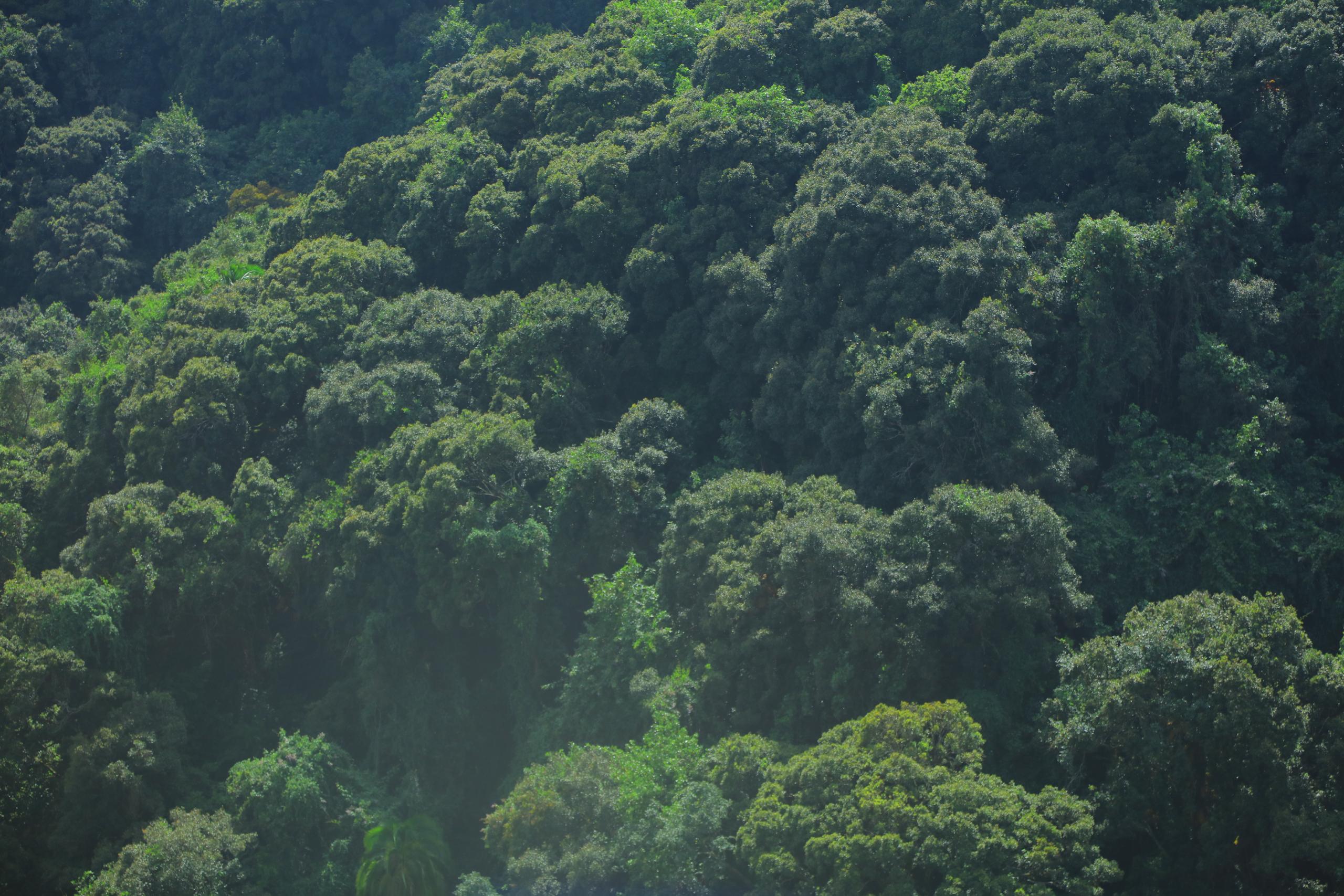
Dorea/Dorya Natural Reserve forest
Dora Natural Forest is one of the few remaining dense, indigenous forests in the Kore Zone. It is particularly renowned for its biodiversity, towering ancient trees, and significant potential for scientific research.
Location and Geography
- Location: The forest is located in the Southern Ethiopia Regional State, Kore Zone, Gorka Woreda, within the Sulukona and Shafule Kebeles. It is situated 20 km from Jijola town at an elevation of 2,413 meters above sea level.
- Geography: This forest is filled with ancient and massive trees. It possesses a unique ecosystem where the dense canopy prevents sunlight from reaching the ground, creating a distinct microclimate.
Unique Features
- Biodiversity: It is home to various indigenous plant, animal, and bird species. Wildlife found within the forest includes monkeys, leopards, hyenas, deer, and various other wild animals.
- Water Source: The forest serves as a catchment area for six or more natural springs, contributing significantly to the surrounding lowlands and agricultural farms.
- Climate Regulator: It plays a vital ecological role in maintaining the local climate and regulating rainfall levels.
- Ancient Heritage: Due to the local community’s careful preservation of the forest from generation to generation, it contains ancient, giant trees whose ages are difficult to estimate.
Potential for Tourism and Research
- Research and Development: Its rich ecosystem holds high potential for scientific research, the construction of luxury eco-lodges, and the development of ecotourism.
- Tourism Attraction: It is a fantastic destination suitable for birdwatchers, nature enthusiasts, and researchers.
Itinerary (Full-Day Visit)
Morning: Travel to the Forest
- 02:00 AM: Depart from Kele, the capital of the Kore Zone.
- 03:00 AM: Arrive at the forest entrance, meet with forest guards or guides, and begin the trek.
Daytime: Forest Exploration
- Breathe in the fresh air, listen to the bird songs, and observe monkeys and other wild animals.
- Receive explanations from guides regarding the age of the trees and their medicinal properties.
Afternoon: Rest and Return
- 07:00 PM: Have lunch in designated open areas. (Note: Lighting fires and littering are strictly prohibited to protect the forest.)
- 09:00 PM: Begin the return journey to Kele city.
Travel Tips
- Guide: Because the forest is very dense, hiring a guide is mandatory to avoid losing your way.
- Clothing and Gear: Wear appropriate hiking clothes to protect yourself from insect bites and scratches. Carry binoculars and a camera to observe birds and animals closely.
- Best Time to Visit: It is recommended to travel during the dry season, from October to May, to make the trails easier to navigate.