
Ajora Waterfalls
Ajora Falls
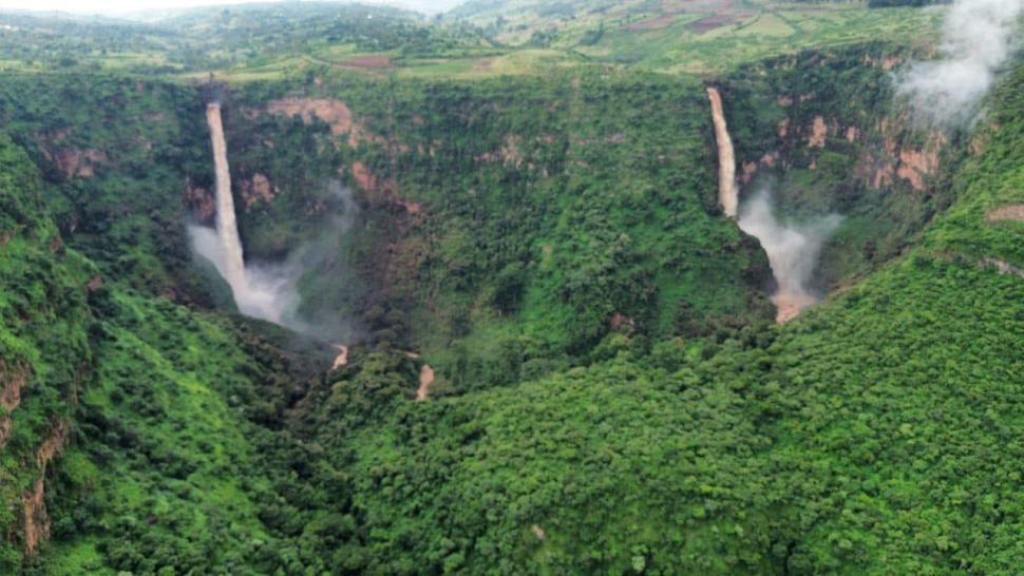
Ajora Falls is one of the most beautiful and impressive natural attractions in southern Ethiopia. This waterfall is especially known as the “Twin Falls” and attracts many visitors due to its beauty and the magnificent natural forest surrounding it.
Here is a detailed description of Ajora Falls:
Location:
- Location: The waterfall is located in Boloso Bombe District of Wolaita Zone.
- Distance: It is located 56 km from the capital of the zone, Wolaita Sodo, and 435 km from Addis Ababa. The waterfall is located near Areka City.
Unique aspect of the waterfall (Twin Falls)
What makes Ajora Falls unique is that two separate rivers (at a distance of 1.65 km) meet and descend into a deep gorge.
- The first waterfall (Ajancho): This waterfall is 210 meters long and the width of the water is about 2.5 meters. It is one of the longest waterfalls in Ethiopia.
- The second waterfall (Soke): This waterfall is 170 meters long and 1 meter wide.
After coming down a big cliff, both waterfalls meet at a place called “Bukula” and continue their journey to the Omo Valley.
Meaning and History of the Name
- “Ajora” means “deep” in the Wolayta language. The name is derived from the deep gorge and valley created by the waterfall.
Natural Resources of the Area
- Biodiversity: The valley where the waterfall falls is surrounded by dense forest cover. Therefore, it serves as a home for a variety of wild animals and birds.
- Climate: The place has clean air, attractive green landscapes, and untouched natural beauty.
Tourism Experience (to visit)
- Ajora Waterfall is a popular destination for hikers and nature lovers.
- To see the full glory of the waterfall, you need to descend through the forest at the base of the cliff. Although the path is tiring, the wonderful natural sounds and water spray that you will find when you reach the bottom completely make you forget about the fatigue.
Useful Tips for the trip
- Visiting season: The months from late September to December are the best time to see the waterfall in its full glory and avoid the muddy path.
- Directions: Since the place is steep, it is advisable to hire a guide from the Zonal Tourism Office or the Woreda Cultural Tourism and Sports Office to avoid getting lost and to get historical information.
- Clothing: Wear comfortable walking shoes for the uphill and downhill sections, and bring a jacket or raincoat to protect you from the water spray.
Itinerary (from Addis Ababa)
Day 1: Addis Ababa to Wolayta Sodo/Areka
- Travel (morning): From Addis Ababa, travel via Butajira – Hosanna route (300 km); this route is short and scenic. (Alternatively, you can travel from Hawassa via Shashemene – Wolayta Sodo).
- Afternoon: Take a lunch break in Hosanna or Areka town on the way.
- Accommodation: In the afternoon, enter Wolayta Sodo town to taste traditional dishes and stay overnight at a hotel (you can also stay overnight in Areka town to get closer to the waterfall).
Day 2: Visit Boloso Bombe and Ajora Waterfall
- Morning: After breakfast, drive to Boloso Bombe Woreda (Ajora Kebele).
- Morning- Afternoon (Tour): A short walk from the parking lot to visit the twin waterfalls of Ajancho and Soke; take photos while enjoying the sounds of nature and the mist.
- Lunch: Have a picnic lunch near the waterfall while listening to the sounds of nature.
- Evening: Complete the tour and return to Sodo town for rest.
Day 3: Return
- Depart from Wolayta Sodo in the morning and return to Addis Ababa. If you have time, you can visit other attractions along the way.